 blog
7 Ways to Prevent Roof Leaks During Winter
Table of Contents
- How to Prevent Ice Dams and Roof Leaks
- Inspect and Repair Roof Flashing Before Winter Arrives
- Optimize Attic Insulation and Ventilation
- Clear Snow and Ice Safely From Your Roof
- Maintain Gutters and Downspouts Year-Round
- Recognize Signs of Roof Water Damage Early
- Install Waterproof Barriers and Quality Underlayment
- Conclusion
- Frequently Asked Questions
Last Updated: September 19, 2026
How to Prevent Ice Dams and Roof Leaks
Ice dams form when warm air from your attic melts snow on the roof, but the water refreezes at the cold edges. This creates a barrier that traps water behind it. When water backs up under your shingles, it leaks into your home. The good news is that 7 ways to prevent roof leaks during winter stops most ice dams before they start.
Sound Roof Care has helped thousands of homeowners across the Puget Sound region protect their roofs from winter damage. The key is understanding what causes ice dams and addressing the root problem: uneven roof temperatures.
Here's what happens: heat escapes through your attic. This melts snow near the peak. Water runs down toward the eaves, where it's colder. The water freezes, building up ice. More water gets trapped. Eventually, it finds its way inside.
Understanding 7 ways to prevent roof leaks during winter involves multiple layers of defense. You'll need proper attic ventilation, adequate insulation, and clear gutters. You might also need to clear snow manually during heavy storms. Let's walk through each strategy.
Inspect and Repair Roof Flashing Before Winter Arrives
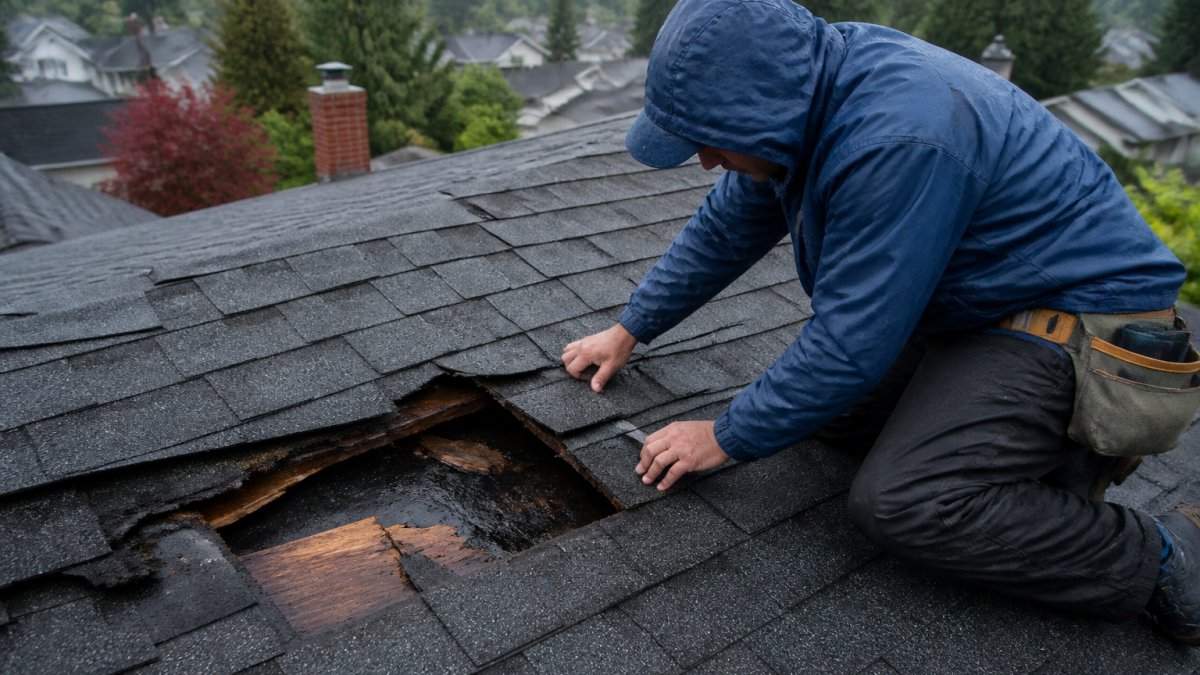
Roof flashing is the metal trim that seals joints where your roof meets walls, chimneys, and vents. Damaged flashing is one of the most common sources of winter roof leaks. Water finds tiny gaps and follows them straight into your home.
Inspect your flashing before winter weather arrives. Look for:
- Rust or corrosion on metal flashing
- Gaps between flashing and the roof surface
- Cracks in sealant around flashing edges
- Lifted or bent flashing sections
If you spot damage, repair it now. Resealing flashing takes an afternoon. Replacing it takes longer but lasts decades.
Optimize Attic Insulation and Ventilation
Your attic's temperature controls whether ice dams form. If your attic stays warm, snow melts unevenly. If it stays cold, the entire roof stays frozen and water drains normally.
Common mistakes include:
- Blocking soffit vents with insulation
- Installing ridge vents without soffit vents (creates no airflow)
- Sealing air leaks in the attic floor (traps warm air above)
Clear Snow and Ice Safely From Your Roof
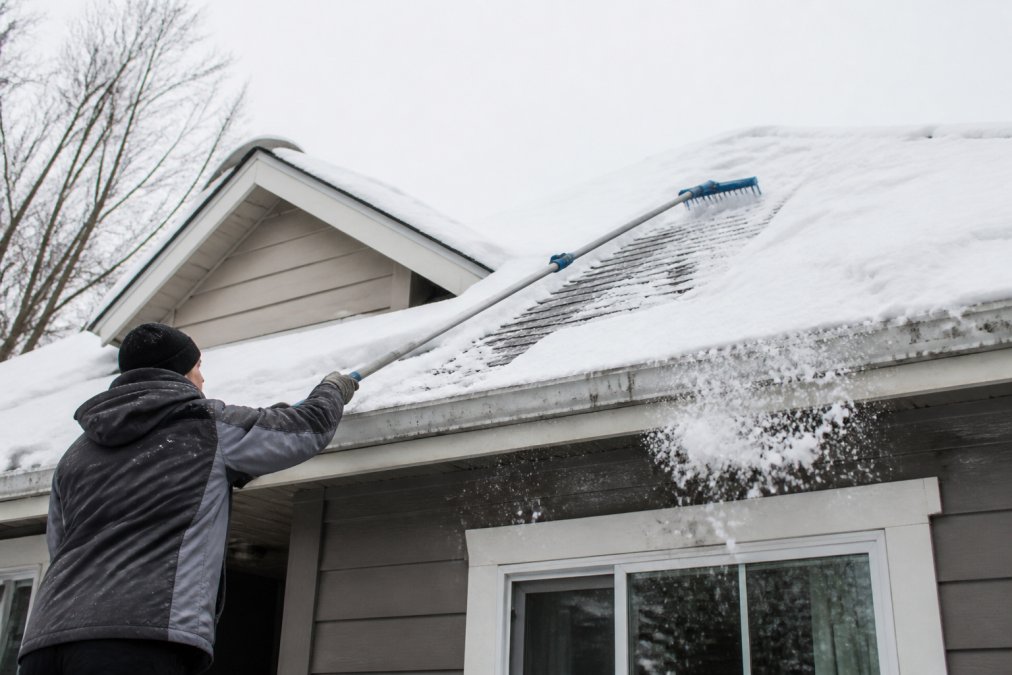
During heavy snow, removing snow from your roof prevents ice dams from forming in the first place. Less snow means less water to freeze at the eaves. However, roof snow removal is one of the most dangerous DIY tasks homeowners attempt in winter. Understanding when to hire a professional versus when a roof rake is safe is critical.
Why Roof Access Is Dangerous in Winter
Safe Roof Rake Technique
Proper technique matters:
- Stand on level, non-icy ground. Wear boots with good traction.
- Pull snow down toward you in strips, working from the eaves upward.
- Clear a 4-6 foot path along the edges where ice dams form.
- Do not overreach. Move your position rather than leaning sideways.
- Stop if snow is packed or icy. Wet, heavy snow is easier to move than compacted ice.
- Never stand directly under the snow you're pulling down. Falling snow can cause injury.
When to Clear and When to Wait
Gutter Clearing Before Snow
Maintain Gutters and Downspouts Year-Round
Gutters and downspouts are your roof's drainage system. Clogged gutters back up water. This water freezes and forms ice dams. Clean gutters are essential for winter roof leak prevention.
Signs of gutter problems include:
- Water overflowing during rain or snowmelt
- Sagging gutter sections
- Rust holes or separated seams
- Ice buildup along gutter edges
Recognize Signs of Roof Water Damage Early
Catching water damage early prevents expensive repairs. Interior signs appear before structural damage occurs. But equally important is conducting a systematic post-winter inspection to catch damage you may have missed during the season and to document it for insurance purposes.
Interior Warning Signs During Winter
Look for these indicators of active or recent leaks:
- Water stains on ceilings or walls (brown or yellow discoloration)
- Damp or wet insulation in the attic (feels cool and heavy, not dry and fluffy)
- Mold or mildew smell in upper floors or attic spaces
- Peeling paint on exterior walls, especially on the north side
- Soft or spongy spots in attic wood framing or sheathing
- Frost or ice buildup inside the attic near the roof deck (indicates moisture and poor ventilation)
Post-Winter Inspection Checklist
Attic inspection:
- Look for new water stains or streaks on rafters, sheathing, or collar ties that weren't visible before winter.
- Check insulation for damp spots or mold growth. Mark wet areas with tape for later remediation.
- Inspect soffit and ridge vents for ice blockage or debris. Clear any obstructions.
- Look for daylight coming through the roof deck (indicates holes or gaps).
Roof exterior (from ground with binoculars, or hire a professional):
- Check for missing, cracked, or curled shingles.
- Look for granule loss (bare spots on shingles or granules in gutters).
- Inspect flashing around chimneys, vents, and valleys for gaps, rust, or separation.
- Check for ice dam staining (dark streaks on shingles below the eaves).
Gutters and drainage:
- Remove debris and flush gutters to ensure water flows freely.
- Check downspouts for proper extension (4-6 feet from foundation).
- Look for rust holes, separated seams, or sagging sections.
Interior spaces:
- Inspect attic joists, collar ties, and any visible wood for soft spots or mold.
- Check closets, bathrooms, and bedrooms on upper floors for new stains or moisture.
- Look behind baseboards and in corners for signs of water intrusion.
Documentation for Insurance Claims
Take photos and video:
- Photograph water stains from multiple angles and distances.
- Close-up photos of damaged insulation, mold, or wood rot.
- Wide-angle photos showing the affected area in context (e.g., the attic space, the room).
- Video walkthrough of the attic or affected areas, narrating what you see.
- Date-stamp all photos (most smartphones do this automatically).
Create a written record:
- Note the date you discovered the damage.
- Describe the location (e.g., "northeast corner of attic, above master bedroom").
- List any visible damage (water stains, mold, wet insulation, soft wood).
- Note weather events that preceded the damage (heavy snow, ice storm, rain).
- Record any temporary repairs or mitigation steps you took (e.g., placing buckets, removing wet insulation).
Get a professional assessment:
- Contact your homeowner's insurance agent to report the damage and ask about the claims process.
- Obtain a written estimate from a licensed contractor for repairs. Insurance companies often require this.
- Keep all receipts for any emergency mitigation (e.g., tarping the roof, removing wet insulation).
Common Insurance Pitfalls
- Document that you maintained gutters and performed regular inspections.
- Avoid admitting to deferred maintenance (e.g., "I knew the roof was old but didn't replace it").
- Provide evidence of preventive measures (photos of gutter cleaning, attic ventilation improvements).
- Report damage promptly. Delays can be interpreted as negligence.
Install Waterproof Barriers and Quality Underlayment
Underlayment is the protective layer between your shingles and the roof deck. It catches water that gets past shingles and directs it toward gutters. Quality underlayment is your last line of defense against leaks.
Conclusion
Winter roof leaks result from preventable problems. Ice dams form when heat escapes your attic. Water backs up under shingles and finds its way inside. But with proper attic ventilation, adequate insulation, clean gutters, and quality underlayment, you can stop leaks before they start.
Frequently Asked Questions
What is the best way to stop a roof from leaking during winter?
The most effective approach combines multiple strategies: seal air leaks and attic bypasses to reduce thermal bridging, ensure proper attic ventilation with functioning soffit and ridge vents, maintain clean gutters and downspouts, and install quality underlayment and flashing. Ice dams form when heat escapes through the attic, melting snow on the roof. By controlling that heat loss and ensuring proper drainage, you address the root cause rather than just the symptom. Professional inspection before winter identifies vulnerabilities specific to your roof.
How do I know if my roof is leaking or just experiencing condensation?
Roof leaks typically show water stains in specific locations, often near walls, corners, or where roof penetrations exist. Condensation appears as uniform moisture throughout the attic, typically on insulation and framing. Leaks may drip during or shortly after rain or snowmelt; condensation builds gradually. Check your attic during winter, if you see frost or ice on roof decking and insulation, condensation from poor ventilation is likely. Roof leaks often leave rust stains on metal fasteners or visible damage to underlayment. When in doubt, a professional inspection can determine the source.
Does homeowners insurance cover roof leaks from snow and ice?
Most homeowners insurance policies cover sudden roof damage from winter storms, including ice dams and snow load damage, but they typically do NOT cover damage from lack of maintenance. Insurance companies expect homeowners to maintain gutters, clear debris, and ensure proper attic ventilation. If an inspection shows your leak resulted from neglected maintenance, the claim may be denied. However, sudden damage from an unusually heavy snow event or ice storm is usually covered. Review your policy details and contact your insurer to understand your specific coverage before winter.
Can regular roof maintenance really extend my roof's lifespan by several years?
Yes. Professional maintenance, including moss treatment, flashing repair, underlayment inspection, and gutter cleaning, removes the conditions that accelerate roof deterioration. In the Pacific Northwest's wet climate, moss and algae trap moisture against the roof surface, causing premature degradation. Proper attic ventilation and insulation reduce freeze-thaw cycles that damage shingles and flashing. Addressing small leaks and sealing air leaks prevents water infiltration and structural damage. Many homeowners extend their roof's life by 5-10 years through consistent maintenance, delaying costly replacement.