 ultimate-guide
Attic Mold Remediation: Find Honest Contractors
Table of Contents
- Signs of Mold Infestation in Your Attic
- Health Risks of Attic Mold and Indoor Air Quality
- How to Vet Mold Removal Contractors
- Questions to Ask Mold Remediation Companies
- Attic Mold Remediation Cost and Transparency
- Professional Remediation Process and Safety Protocols
- Moisture Control and Preventative Maintenance for a Healthy Attic
- Frequently Asked Questions
Last Updated: October 4, 2026
Signs of Mold Infestation in Your Attic
Attic mold remediation becomes necessary when moisture accumulates in spaces designed to stay dry. By the time you notice the musty odor, the problem has likely spread beyond what you can see, especially in the Pacific Northwest's wet climate.
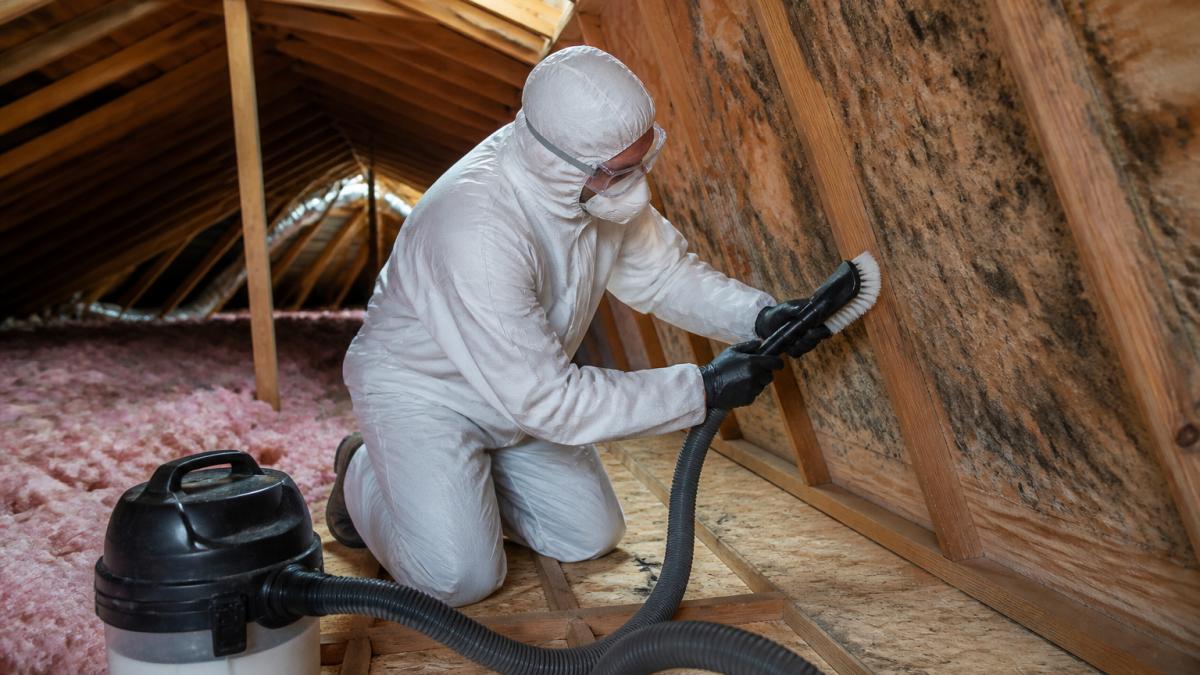
Early signs include discoloration on wood framing, rafters, or sheathing, dark spots or streaking that suggest fungal colonization. Mold can be white, green, or brown depending on species and age. Frost or condensation on nails, pipes, or metal flashing during winter signals moisture intrusion.
Wet, compressed, or discolored insulation indicates moisture accumulation. If insulation feels damp or crumbles when touched, remediation work is needed.
Mold feeds on cellulose in wood, weakening joists and rafters. If wood feels soft, spongy, or crumbles easily, structural integrity is compromised and professional assessment is critical.
Health Risks of Attic Mold and Indoor Air Quality
Attic mold doesn't stay confined to the attic. Mold spores travel through your home's air system, affecting indoor air quality in every room and posing health risks for families with respiratory conditions, allergies, or compromised immune systems.
Mold releases spores continuously, especially during temperature fluctuations common in the Pacific Northwest. These spores trigger allergic reactions, asthma attacks, or chronic respiratory irritation, with people reporting worsening symptoms even if they've never entered the attic.
Attic mold develops silently, unlike basement mold. By the time symptoms appear, persistent cough, sinus congestion, or fatigue, the colony may have thrived for months, meaning longer exposure and greater health impact.
Inadequate ventilation or unrepaired roof leaks cause humidity to accumulate. Mold thrives above 60% humidity; readings above 50% indicate danger for mold growth.
How to Vet Mold Removal Contractors
The mold remediation industry attracts opportunists who recommend unnecessary work, inflate estimates, or use shortcuts. Vetting the right contractor starts with knowing what to look for.
Verify IICRC certification (Institute of Inspection, Cleaning and Restoration Certification), the industry standard for mold remediation professionals (MRS). IICRC certified technicians have completed training in containment protocols, HEPA filtration, and remediation standards.
A reputable contractor conducts thorough inspection using moisture mapping and thermal imaging, then provides a written mold assessment report detailing contamination extent, moisture sources, and remediation steps. Quotes without detailed inspection are red flags.
Ask for three recent local references. Call those homeowners and ask: Did they finish on time? Explain work clearly? Have surprise costs? Contractors with community roots prioritize quality.
Insurance and licensing matter more than most homeowners realize. Ask for proof of general liability insurance and workers' compensation coverage. In the Puget Sound region, verify that the contractor is licensed with the Department of Labor and Industries if they're performing structural repairs alongside remediation. This protects you if something goes wrong during the job.
Questions to Ask Mold Remediation Companies
The right questions separate honest contractors from those cutting corners. Before hiring anyone, have this conversation.
Start with the scope: "What's your assessment of the moisture source, and how will you address it?" A competent contractor identifies the root cause, whether it's a roof leak, inadequate ventilation, or both, and explains how their remediation plan prevents recurrence.
Ask about containment: "How will you prevent mold spores from spreading to other parts of my home during remediation?" This should involve negative air pressure systems, HEPA filtration, and containment barriers around the work area.
Clarify the remediation process: "Will you use chemical biocide treatments, or manual removal and HEPA vacuuming?" Both approaches are valid, but they differ in cost and environmental impact. Chemical treatments kill mold but leave residue; manual methods physically remove contaminated materials.
Ask about post-remediation verification: "How will you confirm the remediation is complete?" Professional contractors perform clearance testing, moisture readings, air quality testing, or visual inspection, to verify that mold levels are back to normal.
Discuss attic insulation replacement: "If insulation is contaminated, what's the full cost to remove and replace it?" This is often the largest expense in attic mold remediation. Get a separate quote for insulation removal and replacement so you understand the breakdown.
Ask about timeline and disruption: "How long will this take, and what access do you need to my home?" Honest contractors give realistic timelines, usually 3 to 7 days for moderate attic mold, and explain how they'll minimize disruption to your daily life.
Attic Mold Remediation Cost and Transparency
Cost transparency is where most homeowners get burned. Mold remediation pricing varies wildly depending on the extent of contamination, whether structural repairs are needed, and whether insulation requires replacement. Instead of guessing, understand what drives the cost.
Containment and safety setup typically runs several hundred dollars. Contractors must seal off the attic with plastic barriers, set up negative air pressure systems with HEPA filtration, and ensure proper ventilation. This isn't optional, it's required to prevent spore spread and protect indoor air quality during work.
Mold removal and cleaning costs depend on square footage and contamination severity. A small, localized infestation might cost less; widespread fungal colonization covering hundreds of square feet costs more. Labor is the primary expense here, as manual removal and HEPA vacuuming are time-intensive.
Attic insulation removal and replacement is often the biggest line item. If insulation is contaminated, it must be removed entirely and replaced with new material. This can easily exceed the cost of mold remediation itself, especially in larger attics. Ask for a separate estimate for insulation work so you know what you're paying for.
Structural drying and moisture control add to the total. If wood framing has absorbed moisture, contractors may use dehumidification equipment to dry the space thoroughly. If roof leaks or ventilation issues caused the problem, repairs to address these sources are separate costs.
Sound Roof Care has worked with thousands of homeowners across the Puget Sound region and understands that cost is a legitimate concern, but the cheapest estimate often means corners are being cut.
Professional Remediation Process and Safety Protocols
Professional attic mold remediation follows a structured protocol designed to eliminate contamination while protecting your home and health. Understanding this process helps you evaluate whether a contractor is doing the work right.
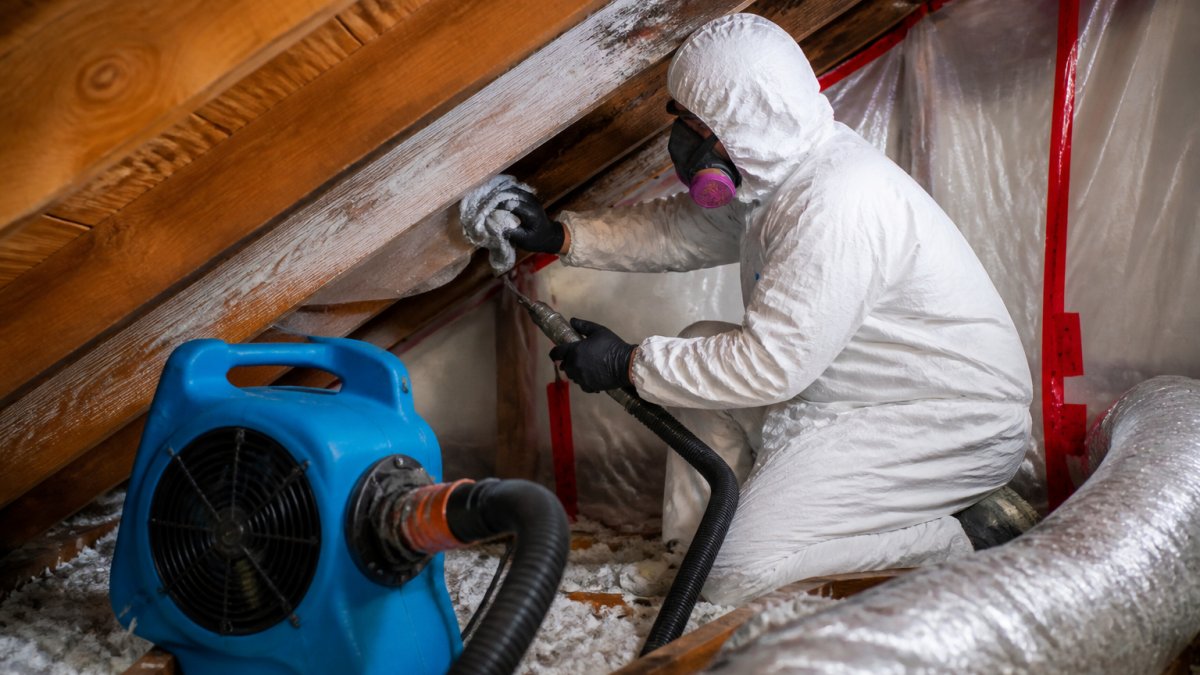
Step one is containment. Technicians seal off the attic with plastic sheeting, creating a barrier between the work area and the rest of your home.
Personal protective equipment is non-negotiable. Technicians wear respirators (not simple dust masks), full-body Tyvek suits, gloves, and booties. This protects them from inhaling mold spores and prevents cross-contamination. If you see contractors working without proper PPE, they're not following industry standards.
Mold removal involves either chemical treatment or manual removal, depending on the extent of contamination. Chemical biocide application kills mold at the source; manual removal uses HEPA-equipped vacuums and scrubbing to physically remove contaminated material.
Structural drying comes next. Dehumidification equipment removes moisture from wood framing, reducing humidity levels below 50%. This prevents mold from regrowing and allows the wood to dry thoroughly.
Attic insulation removal and replacement happens if insulation is contaminated or saturated. New insulation is installed with proper ventilation maintained.
Final verification involves clearance testing. Contractors perform post-remediation air quality testing or moisture readings to confirm the attic is safe.
Moisture Control and Preventative Maintenance for a Healthy Attic
Once remediation is complete, preventing recurrence is essential. A healthy attic environment requires controlling moisture and maintaining proper ventilation, the same factors that allowed mold to grow in the first place.
Attic ventilation is foundational. Your attic should have balanced intake and exhaust ventilation, soffit vents for air intake and ridge vents or gable vents for exhaust. This continuous airflow prevents moisture from accumulating.
Roof leak detection and repair is critical. Even small leaks introduce water into your attic, creating conditions for mold growth. Have your roof inspected annually, especially after heavy storms. The Pacific Northwest's wet climate means roof leaks are common, catching them early prevents expensive remediation later.
A vapor barrier under your attic insulation helps prevent moisture from rising from your living spaces into the attic. If your home lacks a proper vapor barrier, humidity from bathrooms and kitchens migrates upward, feeding mold growth.
Dehumidification may be necessary in chronically damp climates. Some homeowners install permanent dehumidifiers in their attics to maintain humidity below 50%. This is especially useful in the Puget Sound region, where seasonal moisture is unavoidable.
Regular inspections catch problems before they become expensive. Annual attic inspections identify early signs of moisture intrusion, poor ventilation, or developing mold. Catching these issues early, before they require full remediation, saves money and protects your home's structural integrity.
Protecting your attic from mold starts with finding the right contractor, someone who diagnoses the problem honestly, explains the remediation process clearly, and prices the work transparently.
Frequently Asked Questions
What are the signs of a healthy attic environment?
A healthy attic stays dry with consistent humidity levels below 60%, shows no visible mold or discoloration on wood framing, has no musty odors, and maintains proper airflow through soffit and ridge vents. Insulation should be dry and intact, roof decking should appear sound, and there should be no water stains or active moisture intrusion. Regular inspections help catch moisture problems before mold develops.
How can I tell if my attic mold remediation contractor is honest?
Honest contractors provide detailed written inspection reports with photos, explain findings clearly without pressure, offer multiple remediation options with cost breakdowns, and hold industry certifications like IICRC. They address the moisture source, not just surface mold. Ask for references from recent jobs, verify their insurance and licensing, and be cautious of contractors who recommend full attic replacement without justification or pressure you into immediate decisions.
What questions should I ask before hiring a mold remediation company?
Ask about IICRC certification, their containment and HEPA filtration protocols, how they identify and address moisture sources, warranty on their work, and whether they perform post-remediation clearance testing. Request a detailed scope of work in writing, ask about their insurance coverage, timeline, and whether they'll handle structural repairs or coordinate with other contractors. Also ask for references and clarification on what's included versus what costs extra.
What is the average cost of attic mold remediation?
Attic mold remediation costs vary based on infestation size, accessibility, and structural damage. Pricing depends on whether moisture sources need repair, if new insulation is required, and local labor rates. Always get detailed written estimates from multiple contractors and understand what each quote includes before comparing prices.
Is professional mold remediation necessary for attic spaces?
Professional remediation is necessary when mold covers more than a small area, involves structural wood, or stems from moisture intrusion. Professionals contain spores with negative air pressure and HEPA filtration, preventing spread to living spaces. They identify and fix the moisture source, which DIY cleaning cannot accomplish. Small surface mold on non-structural areas might be manageable with proper containment, but extensive attic mold requires certified contractors to ensure safety and prevent recurrence.
How do I verify a contractor's credentials for mold removal?
Verify IICRC certification through the IICRC website, check state licensing through your state's contractor licensing board, and confirm current liability insurance and workers' compensation coverage. Ask to see certifications in writing and request proof of ongoing training. Check online reviews on independent platforms and call references from recent attic projects. Legitimate contractors welcome credential verification and provide documentation without hesitation or delays.