 ultimate-guide
Roof Maintenance Plans vs Extended Lifespan: Avoid Rot
Table of Contents
- Why Roof Maintenance Plans Matter for Long-Term Protection
- Roof Maintenance Checklist: What Professional Care Includes
- Signs of Roof Rot: Early Detection Saves Thousands
- How Often Should Your Roof Be Inspected: Roof Inspection Frequency Guidelines
- The ROI of Preventative Maintenance vs. Emergency Repairs
- Common Roofing Materials and How Maintenance Extends Their Lifespan
- DIY vs. Professional Maintenance: Where to Draw the Line
- Frequently Asked Questions
Last Updated: October 2, 2026
Why Roof Maintenance Plans Matter for Long-Term Protection
Roof maintenance plans are your first line of defense against the costly damage that moisture and neglect create. A roof maintenance plan is a structured program of regular inspections, cleaning, and preventative repairs designed to extend your roof's lifespan and prevent rot before it becomes a structural emergency.
Most homeowners wait until water is dripping into their attic before calling a contractor. By then, the damage has already begun.
Sound Roof Care has helped thousands of homeowners protect their roofs across the Puget Sound region, and the pattern is always the same.
The Pacific Northwest climate is brutal on roofing materials. Constant moisture, heavy moss growth, and debris accumulation create conditions where rot doesn't just happen, it thrives.
Roof Maintenance Checklist: What Professional Care Includes
Professional roof maintenance isn't just a once-over. It's a systematic approach to keeping every component of your roofing system functional. Sound Roof Care's maintenance program covers the specific work that actually prevents rot and extends roof lifespan.
Debris Removal and Gutter Cleaning
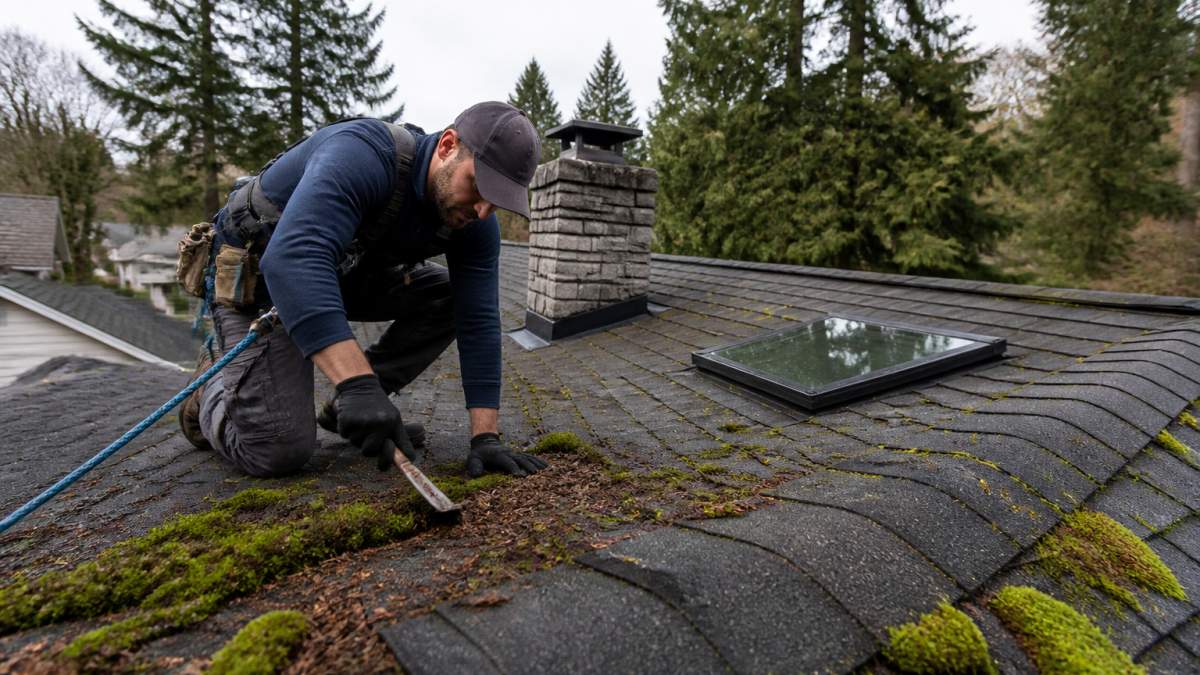
Debris removal is where prevention begins. Leaves, branches, moss spores, and silt accumulate on your roof and in gutters. This debris traps moisture against your roofing materials.
Professional debris removal means clearing not just the visible buildup, but the material trapped in valleys and along edges where water naturally flows.
This single step, keeping surfaces clean and dry, prevents most of the conditions that lead to rot.
Moss Treatment and Prevention
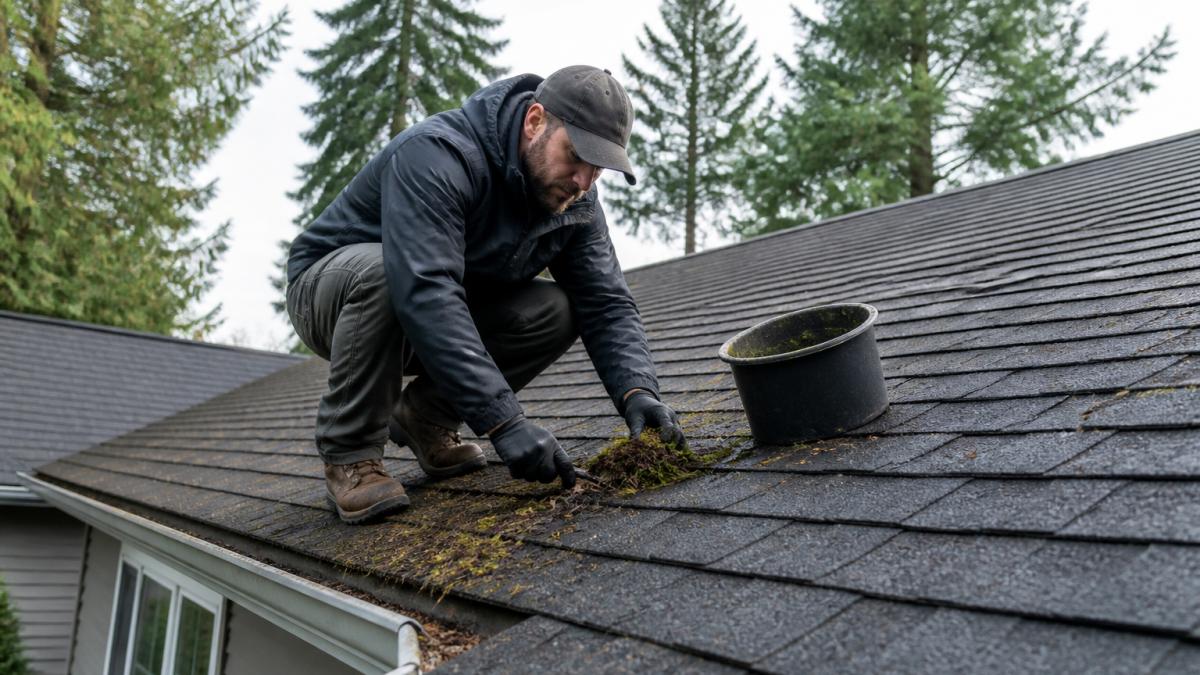
Moss doesn't just sit on your roof looking unsightly. It's an active moisture trap. Moss holds water against shingles, creating an environment where rot organisms thrive. In the Pacific Northwest, moss grows aggressively.
Professional moss treatment removes existing growth and applies preventative treatments that slow regrowth. The key word is "slow." No treatment stops moss permanently in this climate. But a maintenance plan that includes seasonal moss treatment dramatically reduces the moisture damage that accelerates roof deterioration.
Flashing and Seal Inspections
Flashing is the metal trim around chimneys, vents, and roof transitions. Seals are the caulking that keeps water out of gaps and joints.
A professional inspection catches flashing that's pulling away, seals that are cracking, or gaps where water can enter.
Signs of Roof Rot: Early Detection Saves Thousands
Roof rot doesn't announce itself loudly. It starts small, hidden under shingles or inside attic spaces. By the time it's visible from the ground, the damage is often substantial. Early detection through regular inspections is what separates a $500 repair from a $20,000 replacement.
Visual Indicators of Rot Damage
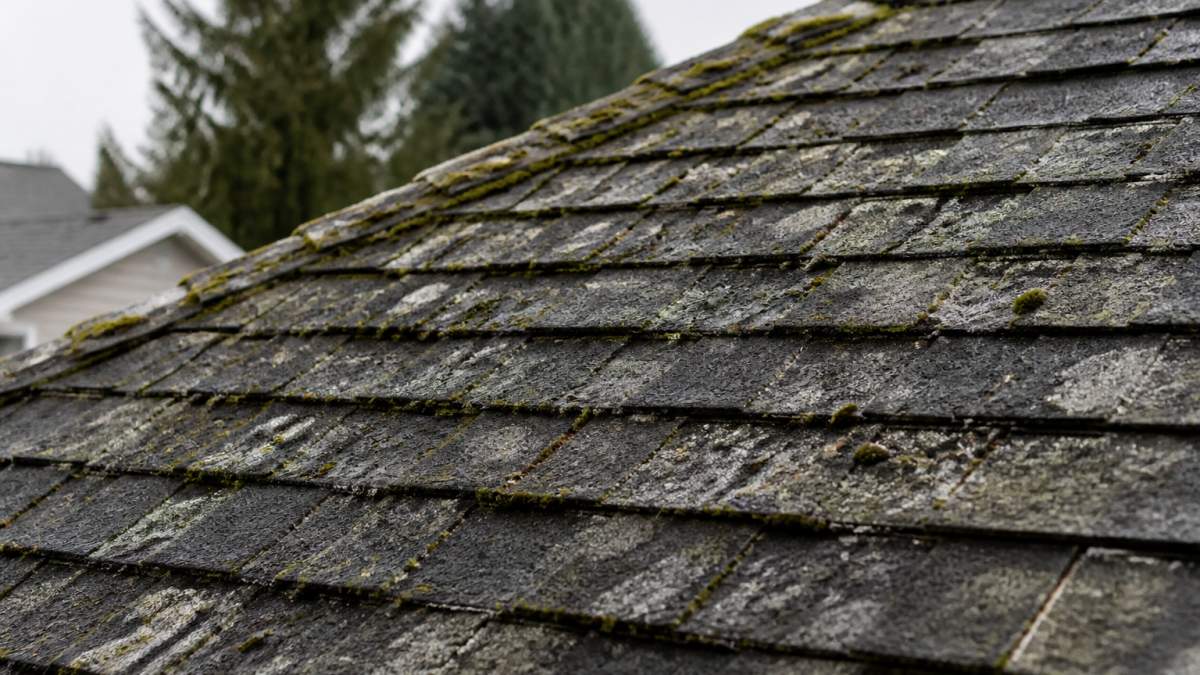
Visible signs of roof rot include shingles that are soft, curling, or missing. Discoloration, dark patches or uneven coloring, often indicates moisture damage or fungal growth beneath the surface.
Sagging sections of roof are a red flag. This indicates structural compromise, usually from prolonged moisture exposure. This is not a small problem.
Look for missing or damaged flashing around penetrations. Gaps or separation where metal meets shingles are direct entry points for water.
Interior Warning Signs
Water stains on attic rafters or insulation are proof that moisture is getting through. These stains often appear before you notice a leak inside living spaces.
Soft spots in attic wood indicate active rot. If you can press a screwdriver into a rafter and it goes in easily, that wood has lost structural integrity. Musty odors in the attic suggest mold growth, which follows moisture.
Peeling paint on interior ceilings or walls, particularly in upper floors, can indicate a roof leak that's traveling down through walls. The leak source is often far from where the damage appears.
How Often Should Your Roof Be Inspected: Roof Inspection Frequency Guidelines
The ideal roof inspection frequency depends on your roof's age, material, and local climate.
Roofs over 15 years old should be inspected at least twice yearly. Roofs over 20 years old benefit from quarterly inspections.
After severe weather, heavy wind, ice storms, or unusual precipitation, an inspection within 48 hours can catch damage before secondary water intrusion occurs.
A roof maintenance plan includes scheduled inspections on a regular calendar. This removes the guesswork and ensures nothing falls through the cracks.
The ROI of Preventative Maintenance vs. Emergency Repairs
The economics are straightforward. A roof maintenance plan costs less than one emergency repair. An emergency repair costs less than a full roof replacement.
Preventative maintenance extends the lifespan of your existing roof.
Emergency repairs happen when you've neglected maintenance long enough that small problems become large ones. A $300 flashing repair becomes a $3,000 water damage restoration. A $200 moss treatment becomes a $8,000 attic remediation for mold. The pattern repeats across hundreds of homes annually.
Full roof replacement is the most expensive option. It's necessary eventually, but preventative maintenance delays that need significantly.
A maintenance plan is insurance against worst-case scenarios. It's the difference between planned expenses and emergency expenses.
Common Roofing Materials and How Maintenance Extends Their Lifespan
Different roofing materials have different maintenance needs. Understanding your roof's material type helps you understand what preventative care actually does.
Asphalt and Architectural Shingles
Asphalt shingles are the most common residential roofing material. Three-tab shingles typically last 15-20 years. Architectural shingles, which are thicker and more durable, often reach 20-25 years.
Asphalt shingles deteriorate fastest when exposed to constant moisture. Moss growth, standing water in valleys, and debris accumulation all accelerate degradation.
The key is keeping moisture off the surface. Clean gutters, clear valleys, and treated moss all serve this purpose.
Metal and Rubber Roofing Systems
Metal roofs are durable but require flashing maintenance. Seams and fasteners are the vulnerable points.
Rubber roofing (EPDM) is common on flat or low-slope roofs. It's vulnerable to UV degradation and puncture damage. Regular inspections catch small tears before they become larger problems.
Both materials benefit from professional maintenance that addresses their specific weaknesses. Generic maintenance won't work. You need a plan tailored to your roof's material.
DIY vs. Professional Maintenance: Where to Draw the Line
Some roof maintenance tasks are safe and effective for homeowners to handle.
Safe for DIY:
- Gutter cleaning (with proper ladder safety)
- Removing visible debris from roof surface (from ground, not on roof)
- Visual inspection from the ground or attic
- Monitoring for signs of damage
Requires Professional Equipment:
- Pressure washing (high-pressure systems damage shingles)
- Moss treatment (requires specific products and application methods)
- Flashing repair or resealing
- Structural repairs or shingle replacement
- Attic mold remediation
- Working at height on steep roofs
The liability and safety issues around roof work are significant. Falls from roofs account for thousands of injuries annually.
Sound Roof Care handles the professional-grade maintenance. Homeowners handle the basics.
Roof maintenance plans aren't an optional upgrade, they're the difference between a roof that survives and one that thrives.
Frequently Asked Questions
How does regular maintenance prevent roof rot?
Regular maintenance removes debris and moisture that trap water against roofing materials. When gutters clog and leaves accumulate, water pools on the roof surface, creating conditions for rot to develop. Professional debris removal, moss treatment, and flashing inspections eliminate these moisture sources. By keeping your roof clean and properly drained, maintenance plans prevent the water retention that causes structural deterioration and extends your roof's functional life significantly.
Is a roof maintenance plan worth the cost?
Yes. Preventative maintenance costs a fraction of emergency repairs or full roof replacement. Maintenance plans catch problems early, when repairs are minor. Professional maintenance can significantly extend roof lifespan, potentially adding years to your roof's service life. For homeowners, this translates to avoiding costly replacements and protecting interior structural integrity.
What are the early warning signs of roof rot?
Early signs include soft spots in the roof deck when walked on, visible discoloration or dark patches on shingles, granule loss from shingles, sagging gutters, and visible mold or moss growth. Inside your attic, look for water stains on rafters, dark streaks on wood, or a musty odor. Flashing separating from the roof edge and lifted or curled shingles also indicate moisture problems. These early warnings appear before structural damage occurs, making regular inspections critical for catching rot before it becomes expensive.
How much does roof rot repair cost compared to preventative maintenance?
Preventative maintenance costs depend on roof size and condition. Repairing early-stage rot is more expensive than preventative maintenance. Advanced rot requiring structural repairs, underlayment replacement, and attic remediation costs significantly more. A full roof replacement is the most expensive option. Investing in annual maintenance plans costs a fraction of emergency repairs. One major repair often exceeds five years of preventative care costs, making proactive maintenance the clear financial choice for long-term protection.
How often should my roof be inspected to avoid rot?
Professional inspections should occur at least twice yearly, ideally in spring and fall, to catch seasonal damage. After storms, heavy snow, or high winds, additional inspections are critical. Roofs over 15 years old should be inspected annually or twice yearly. In wet climates prone to moss and moisture retention, more frequent inspections prevent rapid rot development. Regular inspections identify debris accumulation, flashing failures, and early rot signs before they become structural problems, making inspection frequency a key factor in extending roof lifespan.
Does moss removal significantly extend roof lifespan?
Yes. Moss retains moisture directly against shingles and underlayment, accelerating rot and deterioration. Professional moss removal eliminates this moisture source and prevents regrowth through preventative treatments. In wet climates, moss can reduce roof lifespan by 5-10 years if left untreated. Regular moss removal as part of a maintenance plan keeps roofing materials dry, preserves the integrity of shingles and flashing, and prevents the structural damage that leads to premature replacement. Combining moss removal with debris clearing maximizes protection.