 ultimate-guide
How to Find Honest Contractors and Protect Your Roof
Table of Contents
- Why Finding an Honest Contractor Matters for Your Roof
- Signs of Roof Damage and When to Call a Professional
- Roof Repair vs. Roof Replacement: Making the Right Call
- The Roof Inspection Checklist: What Honest Contractors Evaluate
- Questions to Ask a Roofing Contractor Before You Hire
- How to Compare Roof Replacement Estimates and Spot Red Flags
- Preventative Maintenance: Extending Your Roof's Lifespan
- Conclusion: Protecting Your Home Through Transparency
- Frequently Asked Questions
Last Updated: October 7, 2026
Why Finding an Honest Contractor Matters for Your Roof
Your roof is your home's first line of defense against the elements. When it fails, water doesn't just damage shingles, it compromises structural integrity, invades your attic, and can lead to costly mold remediation. The difference between a quality repair that extends your roof's lifespan by years and a botched job that accelerates deterioration often comes down to one decision: who you hire. Finding honest contractors isn't just about avoiding overpriced quotes; it's about protecting your home from interior and structural damage that can cost tens of thousands of dollars to remediate. This guide walks you through how to find honest contractors, evaluate their recommendations, and make decisions that protect both your roof and your wallet.
Signs of Roof Damage and When to Call a Professional
Roof damage doesn't announce itself. Many problems hide until they've already compromised structural integrity or allowed moisture intrusion into your attic. Knowing what to look for helps you catch issues early, before they become expensive.
Interior water stains on ceilings or walls are the most obvious sign something's wrong. Roof leaks often start small and go unnoticed until water has already traveled through underlayment and into living spaces. Attic moisture, visible mold growth, or a musty smell indicate that water damage is already progressing.
The question isn't whether to call a professional, it's when. Any visible damage warrants a professional assessment. Don't wait for leaks to appear inside your home.
Roof Repair vs. Roof Replacement: Making the Right Call
This decision separates honest contractors from those looking for a bigger paycheck. Both repair and replacement have legitimate applications. Your job is understanding which applies to your situation.
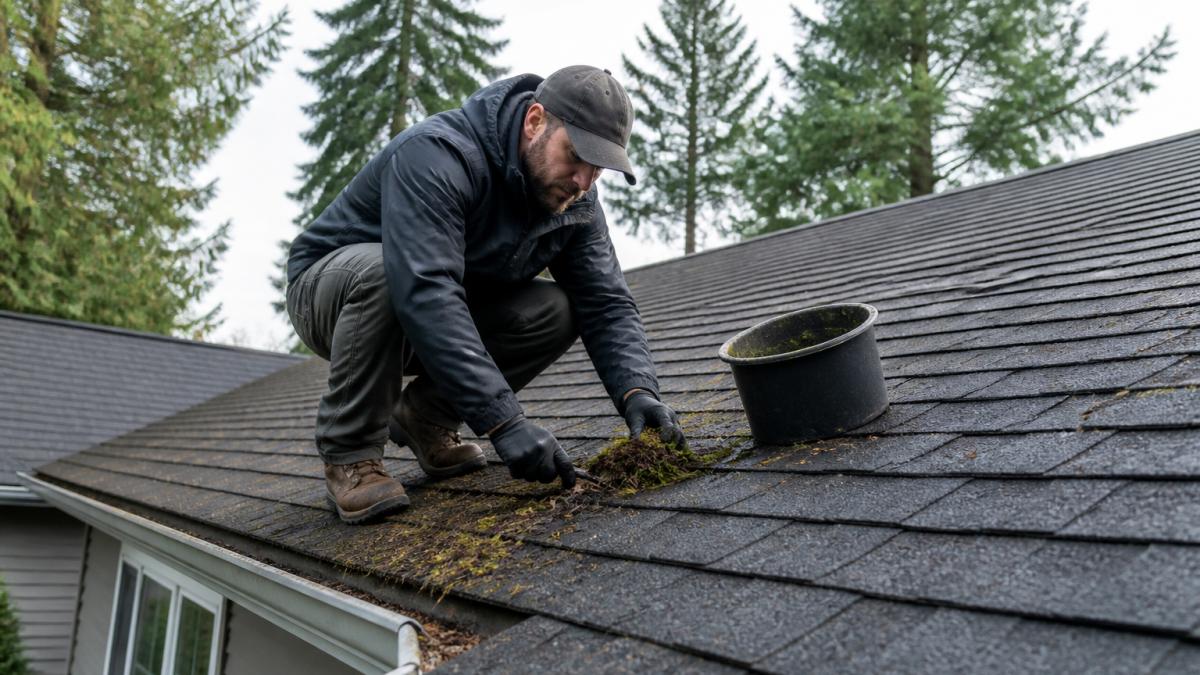
Roof repair makes sense when damage is localized, a few damaged shingles, a leak around flashing, or moss treatment to prevent future deterioration. If the damage hasn't compromised structural integrity or underlayment, repair extends your roof's lifespan cost-effectively.
Roof replacement becomes necessary when damage is widespread, when the roof has reached the end of its life expectancy for its material type, or when repairs would cost more than 50% of replacement.
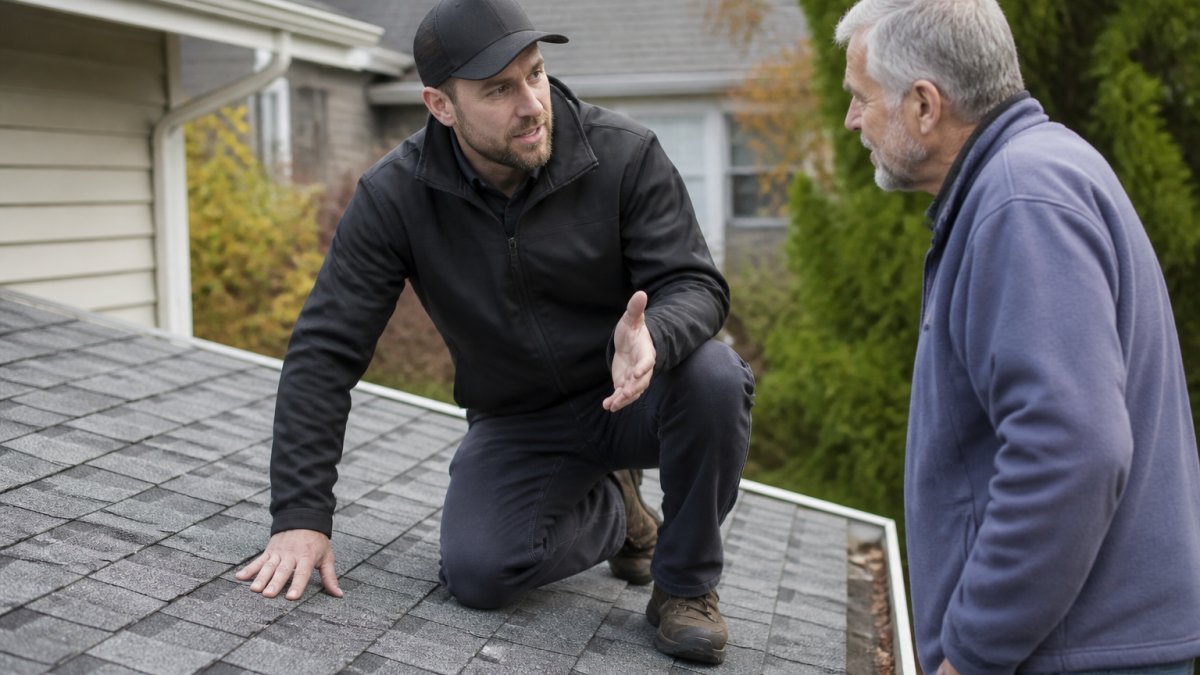
The honest contractor explains why they're recommending one or the other. They show you the damage, explain how it affects your roof's remaining lifespan, and discuss long-term cost implications. They don't pressure you toward the more expensive option just because it generates higher revenue.
The Roof Inspection Checklist: What Honest Contractors Evaluate
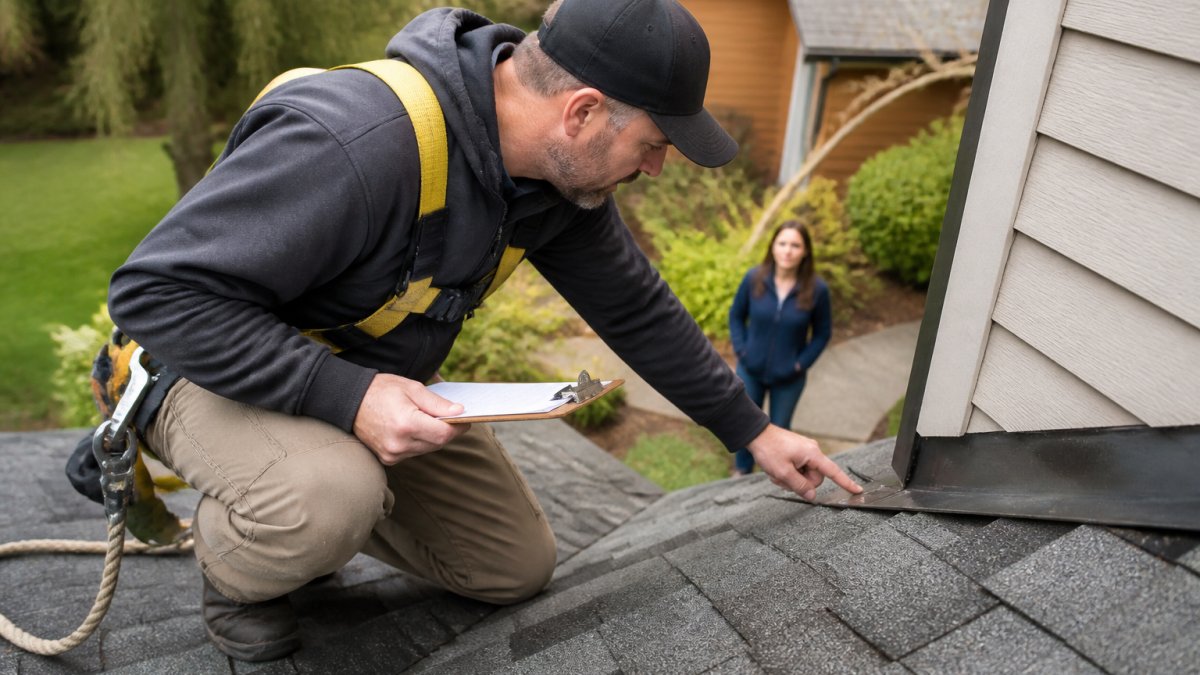
A thorough roof inspection is where honest contractors prove their expertise. They're not just looking at shingles; they're assessing the entire roof system and how it protects your home from interior and structural damage.
A professional inspection covers these key areas:
- Shingle condition: Curling, missing granules, cracks, or missing shingles indicate age or weather damage
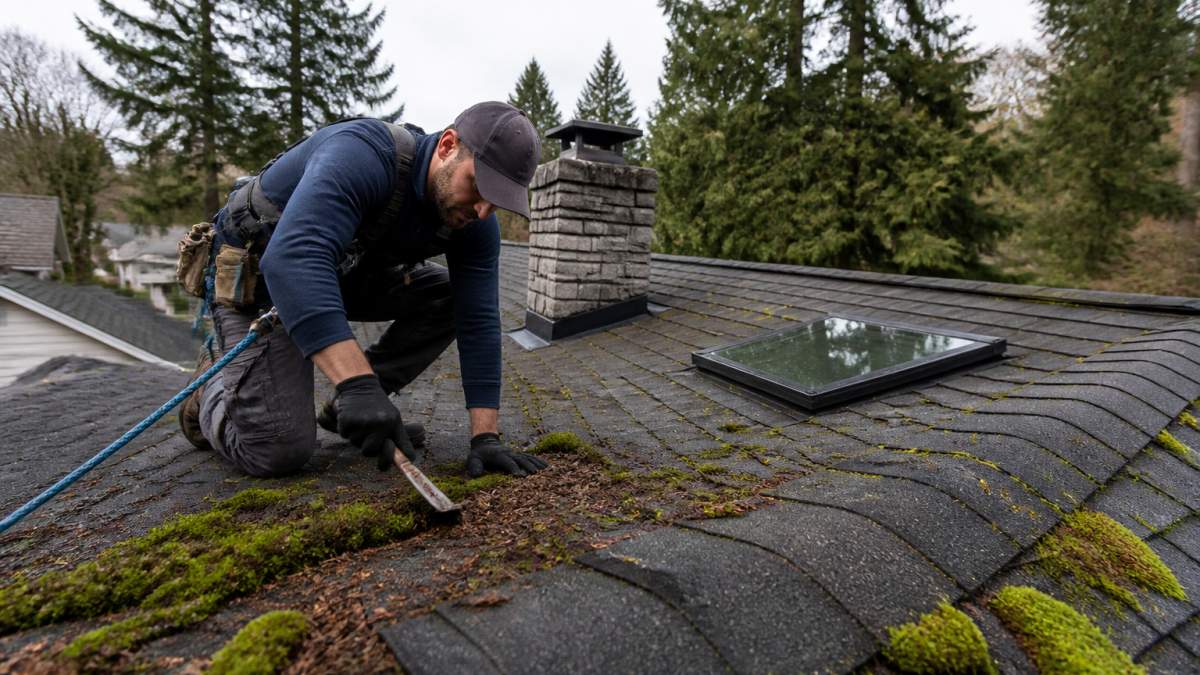
- Flashing integrity: Properly sealed flashing around vents, chimneys, and skylights prevents water intrusion
- Underlayment and deck: Water damage to the layer beneath shingles or the wood deck itself signals serious problems
- Attic ventilation: Proper airflow prevents moisture buildup and extends roof lifespan
- Gutters and drainage: Clogged or damaged gutters force water toward your foundation and attic
- Moss or algae growth: Common in wet climates, these indicate moisture retention and can accelerate deterioration
- Structural sagging or irregularities: Signs of underlying damage or settling
Sound Roof Care's certified technicians evaluate all of these during inspection. In the Pacific Northwest's wet environment, moss prevention and proper drainage become critical to extending roof lifespan and preventing the moisture intrusion that leads to attic mold and structural damage.
An honest contractor provides a written report documenting what they found, photographs of problem areas, and specific recommendations with timelines. They don't make you guess about the roof's condition.
Questions to Ask a Roofing Contractor Before You Hire
The questions you ask reveal whether a contractor is honest or just after a sale. Don't settle for vague answers.
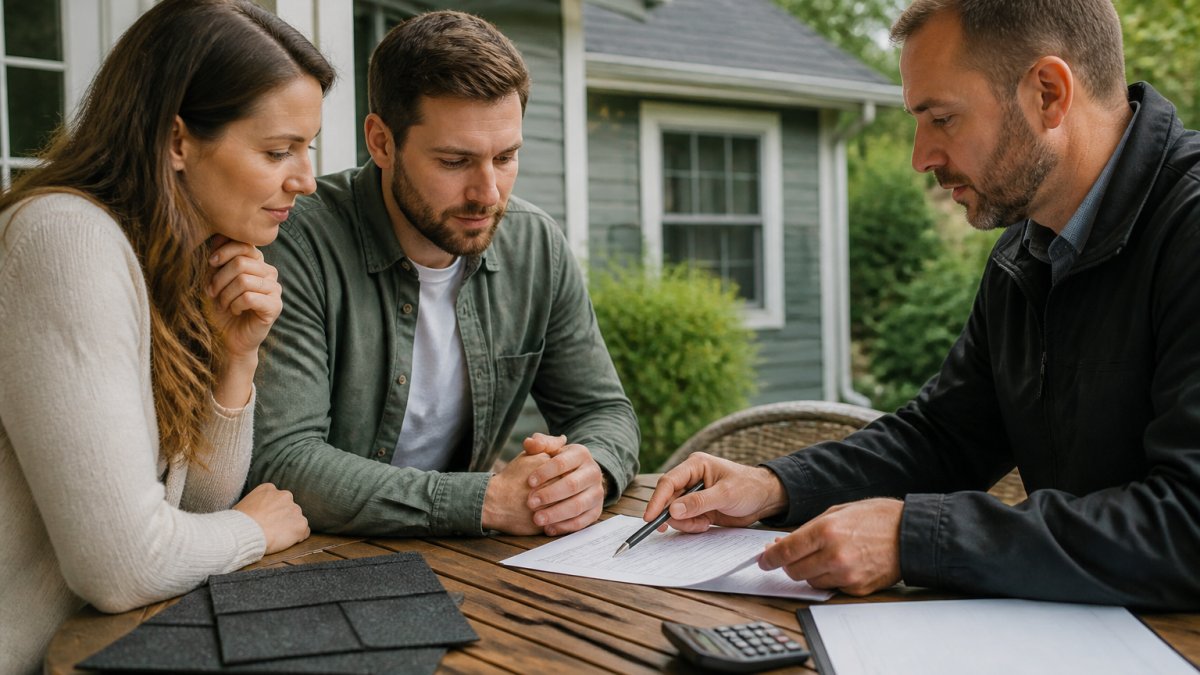
Ask about their experience and credentials. How long have they been in business? Are they licensed and insured?
Ask for references and proof of past work. Honest contractors provide multiple recent client references you can contact.
Ask about warranty. What does their workmanship warranty cover? How long does it last? What about material warranties?
Ask about their process and timeline. How long will the job take? What happens if weather delays the project?
Ask about cost breakdown. Request an itemized estimate showing labor, materials, and any additional costs. Avoid contractors who give rough estimates without detail.
Ask about their approach to preventative maintenance. Do they recommend maintenance plans to extend your roof's lifespan?
How to Compare Roof Replacement Estimates and Spot Red Flags
You've narrowed your candidates and received estimates. Now comes the critical step: comparing them intelligently.
Start by ensuring all estimates cover the same scope of work. One contractor might include roof deck inspection and repairs; another might not. One might include disposal of old roofing; another might charge separately. These differences explain price variations and prevent apples-to-oranges comparisons.
Look at material specifications. Are they recommending the same shingle grade and type? Warranty terms? Installation method? Cheaper estimates often cut corners here, and you'll pay for it when your new roof fails prematurely.
Compare labor costs and timeline. Unusually low bids often mean rushed work or inexperienced crews. Unusually high bids might indicate unnecessary add-ons or inflated pricing.
Red flags include:
- Estimates with no itemization or detail
- Pressure to decide immediately ("This price is only good today")
- Refusal to provide references or proof of insurance
- Significantly lower prices than competitors without explanation
- Vague language about what's included or excluded
- Contractors who won't put their recommendations in writing
Honest contractors welcome comparison. They're confident in their work and pricing. They explain why their estimate is structured the way it is. They don't resort to pressure tactics.
Preventative Maintenance: Extending Your Roof's Lifespan
The best way to avoid costly replacement is preventing damage before it happens. Preventative maintenance extends your roof's lifespan, prevents interior and structural damage, and saves money long-term.
Regular roof inspections, ideally annually or after severe weather, catch problems early. Professional cleaning removes debris that clogs drainage and promotes moss growth. In wet climates, moss treatment prevents the moisture retention that accelerates deterioration.
Proper attic ventilation is critical. Moisture buildup in your attic warps wood, promotes mold growth, and reduces your roof's lifespan. Good ventilation removes that moisture before it becomes a problem.
Flashing maintenance prevents water intrusion around vents, chimneys, and skylights. These are common leak points, and catching flashing problems during inspection prevents expensive interior damage.
Sound Roof Care offers maintenance plans tailored to your roof's age, material type, and regional climate.
Conclusion: Protecting Your Home Through Transparency
Finding honest contractors comes down to asking the right questions, demanding transparency, and trusting your instincts when something feels off.
Your roof is too important to leave to chance. Sound Roof Care has spent over two decades helping homeowners across the Puget Sound region extend their roof's lifespan, prevent interior and structural damage, and make confident decisions about repair versus replacement.
Ready to protect your home with honest, professional roof care? Contact Sound Roof Care today for a free inspection and transparent estimate. We'll show you exactly what your roof needs and help you make the decision that protects your home for years to come.
| Inspection Finding | What It Means | Next Step |
|---|---|---|
| Missing or curling shingles | Age, weather damage, or installation failure | Repair or replacement depending on extent |
| Water stains in attic | Active or recent leak | Immediate inspection and repair |
| Moss or algae growth | Moisture retention and accelerated deterioration | Professional cleaning and moss treatment |
| Damaged flashing | Water intrusion risk around penetrations | Localized repair or replacement |
| Sagging roof sections | Structural damage or settling | Professional assessment for structural integrity |
| Granule loss in gutters | Normal wear or accelerated deterioration | Monitor; replace if excessive |
EXTERNAL CITATIONS:
For guidance on roof inspection standards and best practices, refer to the National Roofing Contractors Association guidelines for comprehensive assessment protocols. For information on roofing material lifespan and performance, the Asphalt Roofing Manufacturers Association provides technical data on shingle durability and weather resistance in various climates.
Frequently Asked Questions
How do I find an honest roofing contractor I can trust?
Look for contractors with verifiable experience in your region, licensed credentials, and transparent communication about costs. Ask for references from past customers in your area, request written estimates that itemize labor and materials, and verify they carry liability insurance. Honest contractors explain findings clearly, don't pressure you into immediate decisions, and provide warranties in writing. A family-owned business with decades of local experience and certified technicians is often a reliable indicator of trustworthiness.
Should I repair my roof or replace it to prevent interior and structural damage?
Repairs work for isolated damage, a few damaged shingles, minor flashing issues, or localized leaks. Replacement is necessary when damage is widespread, multiple leaks exist, or the structural integrity is compromised. A professional inspection reveals moisture intrusion patterns and underlayment condition. Delaying replacement on a failing roof risks costly water damage to attic insulation, framing, and interior walls. An honest contractor will recommend repair when it's sufficient and replacement only when necessary.
What questions should I ask a roofing contractor before signing a contract?
Ask about their experience with your roof type and climate, licensing and insurance details, warranty terms, project timeline, and how they handle unexpected damage discovered during work. Request a detailed written estimate with material specifications and labor breakdown. Ask about their process for protecting your property during installation and their cleanup procedures. Inquire about references from similar projects and whether they offer maintenance plans. Understanding these details protects you from surprises and hidden costs.
How can preventative maintenance realistically extend my roof's lifespan?
Regular inspections catch small problems before they become expensive repairs. Professional cleaning removes moss and debris that trap moisture and accelerate deterioration. Proper attic ventilation reduces heat buildup and moisture accumulation that weaken materials. In wet climates, annual moss treatment prevents growth that damages shingles and flashing. Addressing minor flashing issues, clearing gutters, and maintaining underlayment integrity can extend your roof's life compared to neglected roofs that fail prematurely.
How can I tell if a roofing contractor's estimate is fair and honest?
Compare multiple written estimates from licensed contractors in your area. Estimates should itemize materials, labor, and overhead separately, not lump everything into one vague line. Red flags include estimates significantly lower than others (often indicates cutting corners), pressure to decide immediately, or vague descriptions of work. Ask contractors to explain why estimates differ. Honest pricing reflects quality materials, certified labor, proper insurance, and fair profit margins. Request references and check if the contractor offers transparent communication about what they find during inspection.
What does a professional roof inspection reveal about structural integrity?
A thorough inspection examines shingles for curling, cracking, or missing sections; checks flashing around penetrations; assesses underlayment condition; looks for signs of moisture intrusion in the attic; and evaluates ventilation adequacy. Inspectors check for sagging, which indicates structural problems, and assess whether water damage has affected framing or insulation. They identify potential leak sources before they cause interior damage. An honest contractor documents findings with photos, explains the severity in plain language, and recommends only necessary repairs or replacement.
What preventative measures stop interior and structural damage before it starts?
Regular inspections catch leaks early, before water penetrates interior walls and framing. Professional cleaning and moss treatment prevent moisture accumulation that accelerates material breakdown. Proper attic ventilation reduces condensation and mold growth. Maintaining gutters and downspouts directs water away from the foundation and fascia. Addressing minor flashing leaks immediately stops water from traveling into the attic. In wet climates, these preventative measures are essential to avoid costly structural repairs, mold remediation, and interior restoration.