 how-to
Cost of Replacing Asphalt Roof: Complete 2026 Guide
Table of Contents
- What Determines the Cost of Replacing an Asphalt Roof
- Breaking Down Asphalt Roof Replacement Costs
- Hidden Costs in Roofing Estimates
- Signs of Roof Failure: When Replacement Is Necessary
- DIY vs. Professional Installation Cost Comparison
- How to Choose a Roofing Contractor
- Planning Your Roof Replacement Budget
- Frequently Asked Questions
Last Updated: September 18, 2026
What Determines the Cost of Replacing an Asphalt Roof
The cost of replacing asphalt roof varies based on size, complexity, material quality, and local labor rates. Understanding these drivers helps you budget accurately and avoid sticker shock.
Roof Size and Square Footage
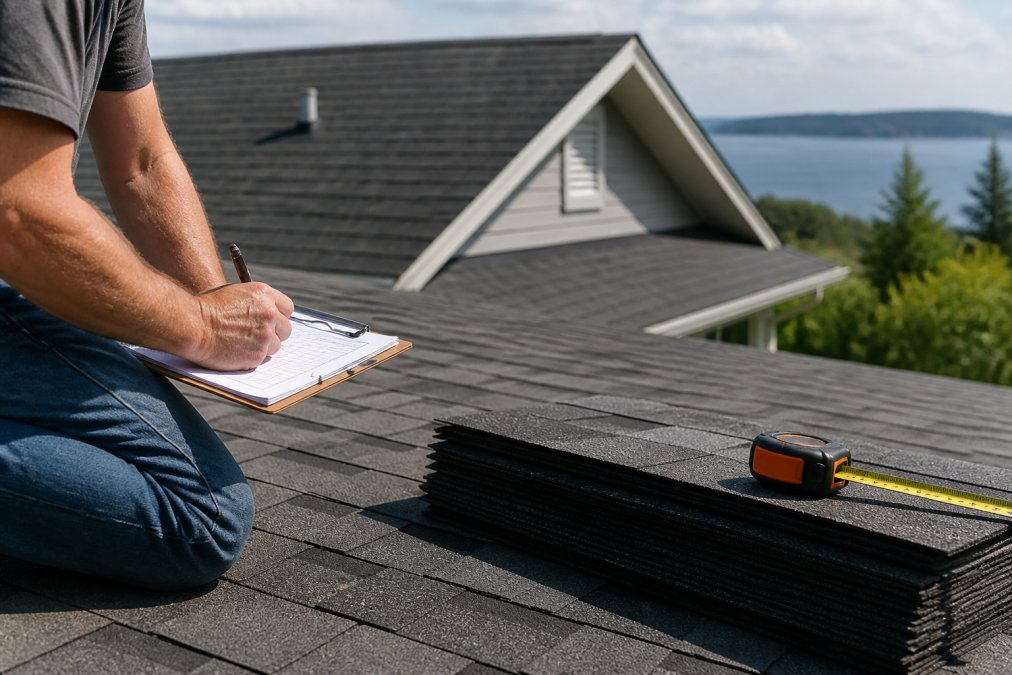
Your roof's total square footage is the primary cost driver. Roofers measure roofs in "squares," where one square equals 100 square feet. A typical residential roof ranges from 15 to 25 squares, though larger homes or complex designs can exceed 40 squares.
Larger roofs cost more in materials and labor, but not proportionally, economies of scale in labor and equipment mean a 20-square roof doesn't cost twice as much as a 10-square roof.
Your roof's footprint, not the living space below, determines square footage. Measure your roof's dimensions or review your property survey before getting quotes.
Roof Pitch and Complexity
Steeper pitches (8:12, 10:12, or higher) increase costs because they require additional safety equipment and slow installation due to higher injury risk.
Complex roofs with multiple peaks, valleys, dormers, or skylights cost more because each feature requires additional flashing, cuts, and labor.
Pacific Northwest homes face unique challenges, moss growth, moisture retention, and wind exposure, that demand specialized material selection and labor approach.
Material Quality and Grade
Asphalt shingles come in three grades: 3-tab (most affordable, shortest lifespan), architectural (mid-range, longer lifespan), and premium (superior durability and aesthetics).
Underlayment quality and flashing materials also matter. Premium underlayment provides better moisture protection critical in wet climates, and quality flashing prevents leaks that cause expensive interior damage.
Warranty length correlates with material quality but doesn't always reflect real-world lifespan in your climate. Select materials rated for your specific regional conditions.
Labor Costs and Local Market Rates
Labor typically represents 40-60% of total cost. Regional wage differences are significant; urban areas command higher rates than rural regions, and peak seasons drive rates up.
Established contractors charge more but carry insurance, maintain certifications, and employ trained crews, a premium that reflects lower risk of callbacks and warranty issues.
Spring and fall are peak seasons with premium pricing. Winter offers discounts but weather complications may not justify the savings.
Breaking Down Asphalt Roof Replacement Costs
A complete cost of replacing asphalt roof breaks into three major categories: materials, labor, and removal. Understanding each component helps you evaluate contractor estimates and identify where you might negotiate.
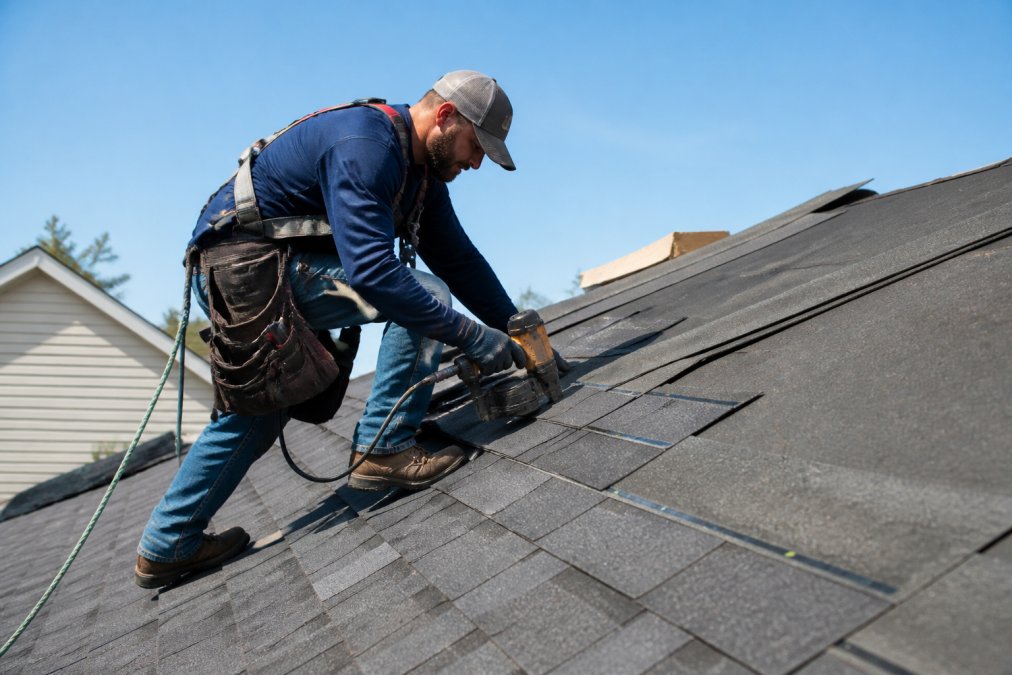
Materials: Shingles, Underlayment, and Fasteners
Asphalt shingles account for 25-35% of material costs. 3-tab shingles cost less per unit but require more squares; architectural shingles cover more area per square but cost more per unit.
Synthetic underlayment is more expensive than felt but superior in wet climates, it resists tearing and lasts longer, making it the standard recommendation for Puget Sound homes.
Fasteners, flashing, ridge caps, and ventilation components add up quickly. Quality flashing around chimneys, skylights, and valleys prevents expensive interior water damage.
Labor Expenses
Labor costs depend on roof size, pitch, complexity, and crew experience. A straightforward 20-square roof requires 3-5 days; steep or complex roofs increase costs proportionally.
Most contractors charge by the square (transparent, upfront pricing) or by the hour. Established contractors charge more per hour but often complete jobs faster.
Experienced crews optimize size to balance speed with efficiency, avoiding oversized teams that inflate total labor hours.
Removal and Disposal of Old Roofing
Old roof removal involves stripping shingles, underlayment, and fasteners to the roof deck. Disposal costs depend on local landfill fees and contractor partnerships.
Clarify whether removal is included in the base price. A typical 20-square roof generates 8-12 tons of waste; per-ton disposal charges add significantly to total cost.
Contractors may discover structural damage during removal, rotted decking or moisture damage, requiring additional repairs. A reputable contractor documents findings and discusses options before proceeding.
Hidden Costs in Roofing Estimates
Most homeowners focus on the obvious line items: shingles and labor. The hidden costs catch people off guard and inflate final invoices. Knowing what to ask for protects your budget.
Structural Repairs and Deck Replacement
The roof deck (plywood or OSB) can deteriorate from moisture, age, or pest damage. Rotted decking must be replaced before new shingles install.
Deck replacement adds substantially to project cost, from hundreds for minor damage to thousands for extensive rot. Get a detailed post-removal estimate before authorizing repairs.
Inadequate attic ventilation contributes to moisture problems and shortens roof lifespan. Installing proper ventilation costs extra but prevents future problems.
Permit and Inspection Fees
Most jurisdictions require roofing permits and inspections. Permit costs vary by location but typically range from modest to several hundred dollars. Clarify whether contractors include this in their estimate.
Building inspections ensure code compliance. Hiring a licensed, experienced contractor who understands local codes reduces the risk of inspection failures.
Flashing, Ventilation, and Gutter Work
Quality flashing around chimneys, skylights, vents, and valleys requires precision and quality materials. Cheap flashing fails quickly and causes expensive interior water damage.
If gutters are old, damaged, or inadequate, replacement becomes necessary. New gutters add cost but prevent foundation and landscaping damage.
Proper ventilation improves roof longevity and is worth the investment in the Pacific Northwest's wet climate.
Signs of Roof Failure: When Replacement Is Necessary
Not every roof problem requires full replacement. Understanding when repair suffices versus when replacement is mandatory helps you make the right decision.
Age and Lifespan of Your Current Roof
Standard asphalt shingles last 20-25 years; Pacific Northwest homes see shorter lifespans (15-20 years) due to moisture and moss growth. Roofs approaching 20 years need replacement soon.
A professional inspection reveals your roof's condition and remaining lifespan. Roofs over 25 years old are rarely worth repairing.
Visible Damage and Deterioration
Curling, cracked, or missing shingles indicate advanced wear. Moss and algae growth accelerates deterioration by trapping moisture. Granule loss signals the protective layer is failing.
Sagging roof lines indicate structural problems. Interior water stains, mold, or dampness in your attic point to active leaks. These signs mean replacement is overdue. Delaying replacement risks interior damage far more expensive than the roofing project itself.
DIY vs. Professional Installation Cost Comparison
Some homeowners consider DIY roof replacement to save on labor costs. This comparison deserves careful consideration.
Why DIY Roofing Carries Hidden Risks
Roofing is physically demanding and dangerous. Falls from heights cause serious injuries and fatalities. DIY roofing without proper safety equipment and training poses unacceptable risk.
Technical skill matters enormously. Improper installation causes premature failure and leaks. Flashing mistakes lead to water intrusion that damages your home's structure.
Mistakes discovered after installation are expensive to fix. Professional warranties cover their work; DIY mistakes are your responsibility. Material waste is also higher for inexperienced installers.
Professional Installation Value and Warranty
Professional contractors carry liability insurance and workers' compensation, and provide warranties on materials (20-30 years) and labor (5-10 years). These protections are valuable if problems arise.
Professional crews complete a 20-square roof in 2-3 days. DIY installation stretches across weeks or months, exposing your home to weather and rain damage.
Professional contractors understand local codes, obtain permits, and coordinate inspections. This expertise prevents costly rework.
How to Choose a Roofing Contractor
Your contractor choice affects both cost and quality. The lowest bid isn't always the best value.
Licensing, Insurance, and Certifications
Verify your contractor holds a current roofing license. Check your state's licensing board to confirm active status and complaint history.
Confirm the contractor carries general liability insurance and workers' compensation. Request current certificates of insurance. Uninsured contractors create liability exposure.
Manufacturer certifications (GAF, Owens Corning) indicate training and quality standards, and often provide extended warranties.
Transparent Estimates and No Hidden Fees
A detailed estimate breaks down materials, labor, removal, permits, and additional work. Ask specifically what's included and what's not.
Reputable contractors provide written estimates before starting work and separate estimates for additional repairs discovered during removal.
Red flags include pressure to decide immediately, reluctance to provide written estimates, or cash-only demands.
Local Experience and Climate Expertise
Contractors with regional experience understand local climate challenges. Pacific Northwest roofing requires expertise in moisture management, moss treatment, and wind resistance.
Planning Your Roof Replacement Budget
Strategic planning helps you manage the cost of replacing asphalt roof and make informed decisions.
Getting Multiple Quotes and Comparing Estimates
Obtain at least three estimates from licensed contractors. Unusually low bids often indicate corners being cut; extremely high bids may reflect unnecessary upsells.
Financing Options and Insurance Claims
Many contractors offer financing options or payment plans. Understand the terms, interest rates, and repayment timeline before committing.
Frequently Asked Questions
What is the average cost to replace an asphalt shingle roof?
The cost of replacing an asphalt roof depends on your home's size, roof pitch, material quality, and local labor rates. For a detailed estimate specific to your property, contact Sound Roof Care for a free inspection and quote. Our transparent pricing ensures you understand exactly what you're paying for, with no hidden fees or surprise charges.
What factors affect the cost of replacing an asphalt roof most?
The primary factors affecting roof replacement cost include roof size (measured in squares), pitch complexity, shingle grade, and removal of old roofing. Regional labor rates and structural repairs discovered during installation also impact the final price. Sound Roof Care provides detailed cost breakdowns so you know where every dollar goes.
Are there hidden costs when replacing an asphalt roof?
Yes. Beyond materials and labor, hidden costs can include structural deck repairs, permit fees, flashing and ventilation upgrades, and gutter work. A thorough inspection before replacement prevents surprises. Sound Roof Care identifies all potential costs upfront, ensuring no unexpected charges appear after work begins.
Should I hire a professional or attempt DIY roof replacement?
Professional installation is strongly recommended. DIY roofing risks safety hazards, improper installation, voided warranties, and costly mistakes. Professional roofers like Sound Roof Care provide warranties, use proper safety equipment, comply with building codes, and complete the job efficiently. The long-term protection and peace of mind far outweigh the cost difference.