 how-to
How to Remove Moss From Roof Safely
Table of Contents
- Why Moss Grows on Roofs and Why It Matters
- Tools, Materials, and Safety Gear You'll Need
- Is Roof Moss Removal Dangerous?
- Step-by-Step Process to Remove Moss From Your Roof
- Best Roof Moss Killer Options: Homemade vs. Commercial
- How to Prevent Moss on Roof Long-Term
- When to Hire a Professional
- Frequently Asked Questions
Last Updated: September 17, 2026
Why Moss Grows on Roofs and Why It Matters
Moss thrives in damp, shaded areas. Shade from trees, poor drainage, and wet climates create ideal conditions for moss to spread on your roof.
The real problem isn't just appearance. Moss holds water against your shingles. That moisture breaks down asphalt shingles faster than normal wear. Over time, water seeps under the shingles and into your attic. This leads to rot, mold, and structural damage that costs far more to fix than prevention.
Many homeowners delay addressing moss, thinking it's cosmetic. By then, damage has already started underneath. Many homeowners delay addressing moss, thinking it's cosmetic. By then, damage has already started underneath.
Learning how to remove moss from roof surfaces stops this cycle, extends shingle lifespan, and protects your home from water damage and mold.
Tools, Materials, and Safety Gear You'll Need
Removing moss from your roof safely requires the right equipment and safety gear. Falls from roofs are serious; proper protection keeps you secure.
Essential tools and materials:
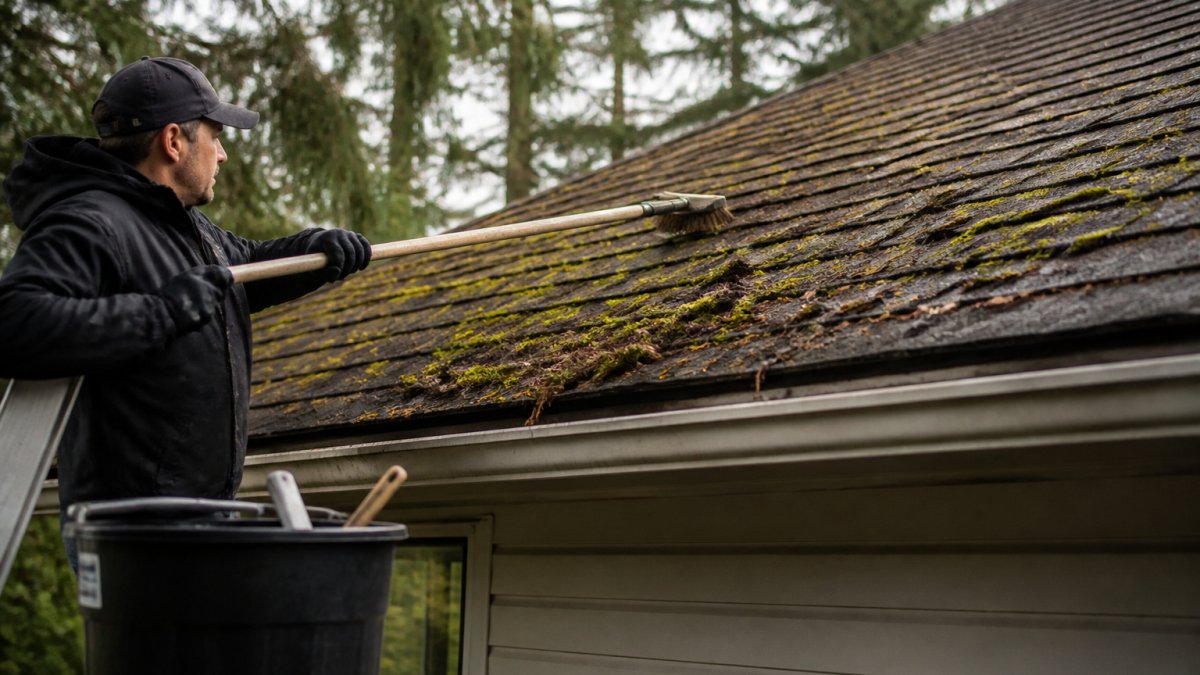
- Soft-bristled brush (stiff bristles damage shingles)
- Bucket or pump sprayer
- Rope or safety harness
- Ladder stabilizer
- Gloves (work gloves, not thin latex)
- Eye protection
- Non-slip shoes with good grip
- Cleaning solution (homemade or commercial)
Safety gear is non-negotiable:
- Hard hat
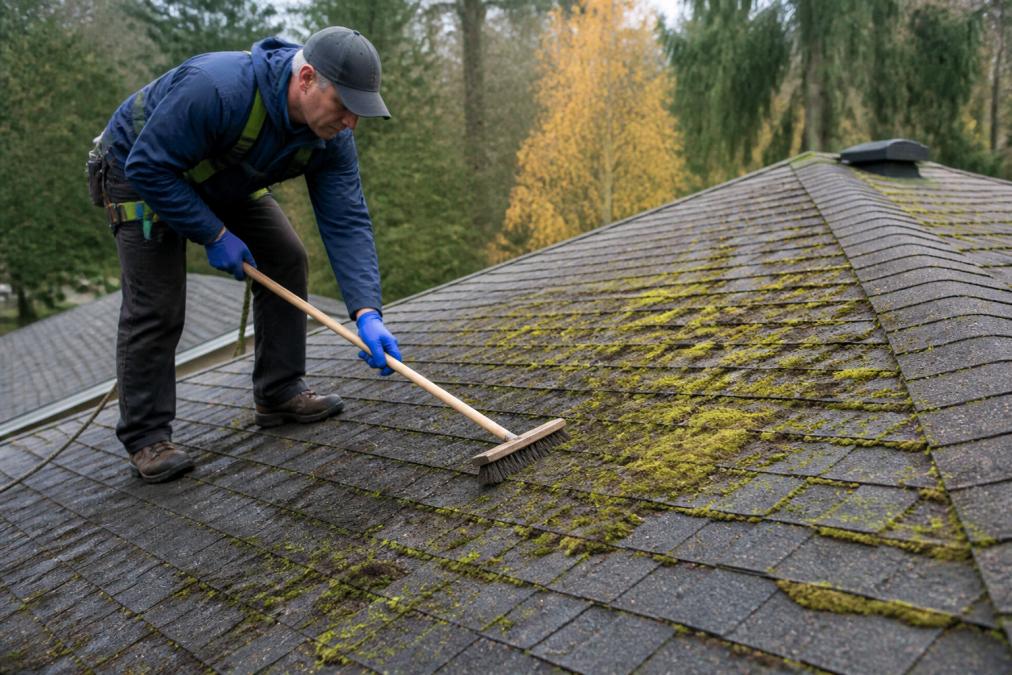
- Safety harness rated for roof work
- Rope rated for your body weight
- Knee pads to protect joints
- Long sleeves and pants
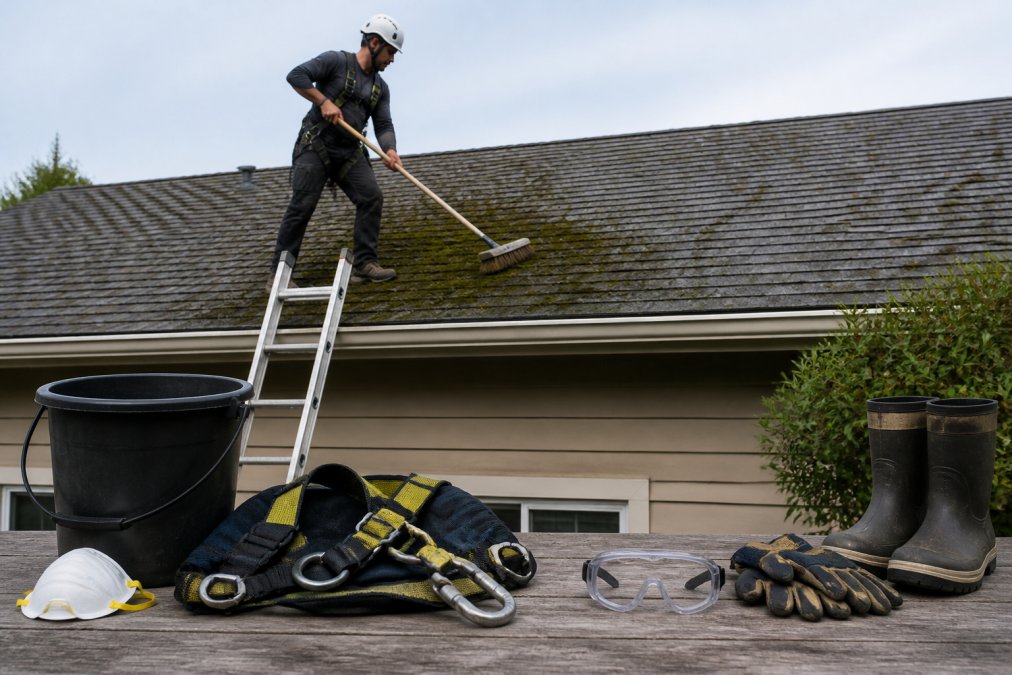
Avoid pressure washers. High pressure damages shingle granules, forces water under shingles, and shortens roof life.
The soft-bristled brush is your best tool, it removes moss without harming shingles and costs under twenty dollars.
Is Roof Moss Removal Dangerous?
Roof moss removal is dangerous. A roof is a fall hazard, wet moss makes surfaces slippery, and injuries happen fast.
Falls from heights cause serious injuries and deaths. Even a ten-foot fall can cause permanent damage.
Common mistakes that cause accidents:
- Using a ladder without stabilizing it
- Working alone with no one to call for help
- Ignoring wet conditions (moss is slippery when wet)
- Rushing the job to finish quickly
- Wearing improper footwear
- Not using a safety harness
Know your limits. If you're not comfortable on a roof, hire a professional. They have the right equipment, training, and insurance.
If you do the work yourself, follow every safety rule. Use a harness. Secure your ladder. Work during dry conditions. Have someone nearby. Move slowly. Stop if you feel unsafe at any point.
Step-by-Step Process to Remove Moss From Your Roof
The process to remove moss from roof surfaces is straightforward but takes time. Rushing causes mistakes and safety risks.
Step 1: Inspect and Prepare
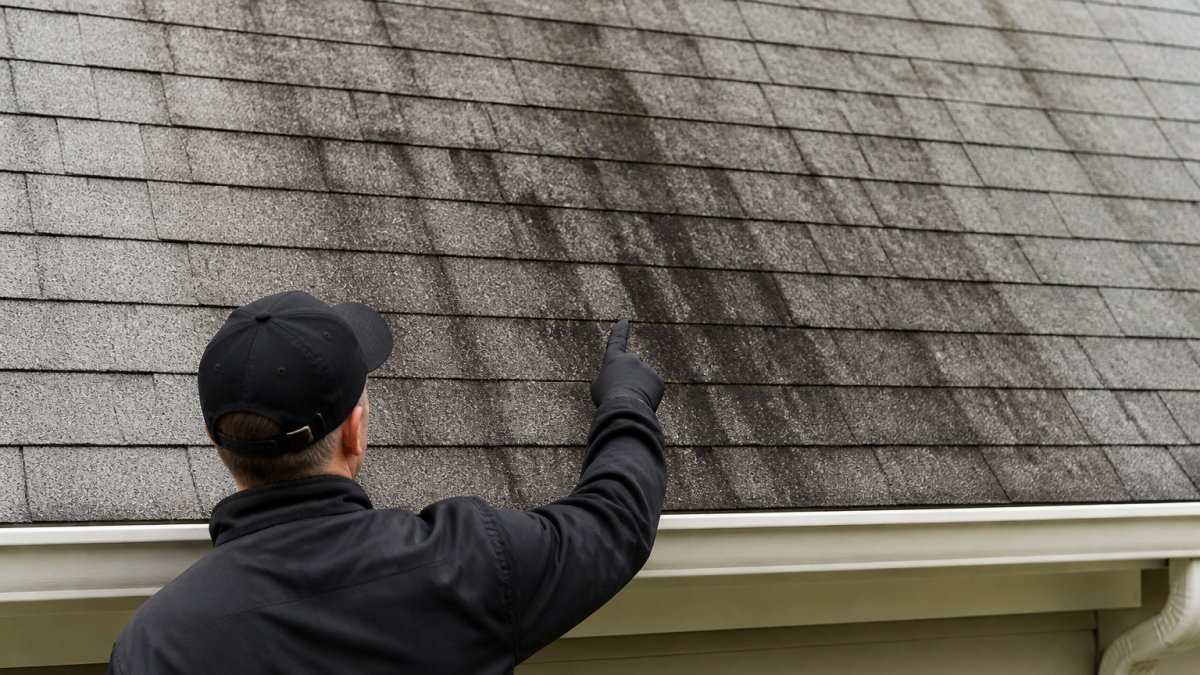
Before climbing onto the roof, use binoculars to inspect from the ground. Note moss coverage, thickness, and any loose shingles or damage.
Clear your gutters. Clogged gutters keep the roof wet and encourage moss growth.
Choose a dry day. Wait at least two days after rain, wet surfaces are dangerous.
Set up your ladder with a stabilizer on level ground. Have someone hold the base if possible and test it before climbing.
Step 2: Apply Cleaning Solution
Mix your cleaning solution in a pump sprayer and cover moss-covered areas thoroughly, starting at the top and working downward.
Let the solution sit for 15 to 30 minutes (dwell time) to kill the moss.
Avoid oversaturating, a good soak is enough and prevents wasting solution.
Step 3: Scrub and Rinse
Use your soft-bristled brush to scrub the moss in small sections with firm pressure, loosening it without damaging shingles.
Moss breaks free as you brush and falls down the roof, let gravity do the work.
Rinse with a garden hose from the top down, removing all moss and cleaning solution. Avoid pressure washers.
Let the roof dry completely. This takes several hours to a full day depending on sun and temperature. Don't walk on the roof until it's dry.
Best Roof Moss Killer Options: Homemade vs. Commercial
Choose between homemade solutions or commercial products based on your budget, preferences, and roof condition.
Homemade Solutions That Work
White vinegar and water: Mix equal parts in a pump sprayer, let sit 20 to 30 minutes, then scrub and rinse. The acidity kills moss without harsh chemicals.
Baking soda: Mix one cup with one gallon of water, spray, wait 20 minutes, then scrub and rinse. Gentle and environmentally safe.
Dish soap and water: Mix a few tablespoons with a gallon of water to help the solution stick. Let sit 15 minutes, then scrub and rinse.
Homemade solutions are cheap, biodegradable, and work well on light to moderate moss.
The downside: they work slower than commercial products and may require multiple applications for heavy coverage.
Commercial Moss Removal Products
Commercial products contain stronger active ingredients and kill moss faster, with results appearing within days instead of weeks.
Common options include zinc-based treatments and potassium salts designed for roof moss. Application is simple: spray, wait, rinse.
Commercial products cost more than vinegar. Prices vary. Check product labels for application rates. Some products are concentrate and need mixing. Others are ready to use.
Environmental impact varies by product. Some are biodegradable. Others contain chemicals that runoff into soil and water. Read the label. Choose products labeled as environmentally safe if that matters to you.
Light moss responds well to homemade solutions; heavy coverage benefits from commercial products. Consistent prevention matters most.
How to Prevent Moss on Roof Long-Term
Prevention is cheaper and easier than removal. Long-term prevention stops moss from coming back.
Trim tree branches that hang over your roof. Sunlight kills moss, so cut branches back several feet from the roof edge.
Clean gutters regularly, twice a year, or more often if you have trees nearby. Clogged gutters hold water and encourage moss.
Improve roof drainage. Check for low spots where water pools. Proper slope and drainage keep the roof dry.
Install Zinc or Copper Strips for Long-Term Moss Prevention
Zinc and copper strips are the most effective long-term prevention, working continuously for 10 to 20 years with minimal maintenance.
How they work: Rain washes zinc and copper ions down the roof surface. These ions are toxic to moss spores and algae, preventing new growth. A single installation protects your roof for years.
Installation basics: Strips are 6 inches wide and installed along the roof ridge. The job takes 2 to 4 hours for homeowners or can be handled by professional installation.
Material costs: Zinc strips and copper strips have varying material costs. Copper is more expensive but lasts longer.
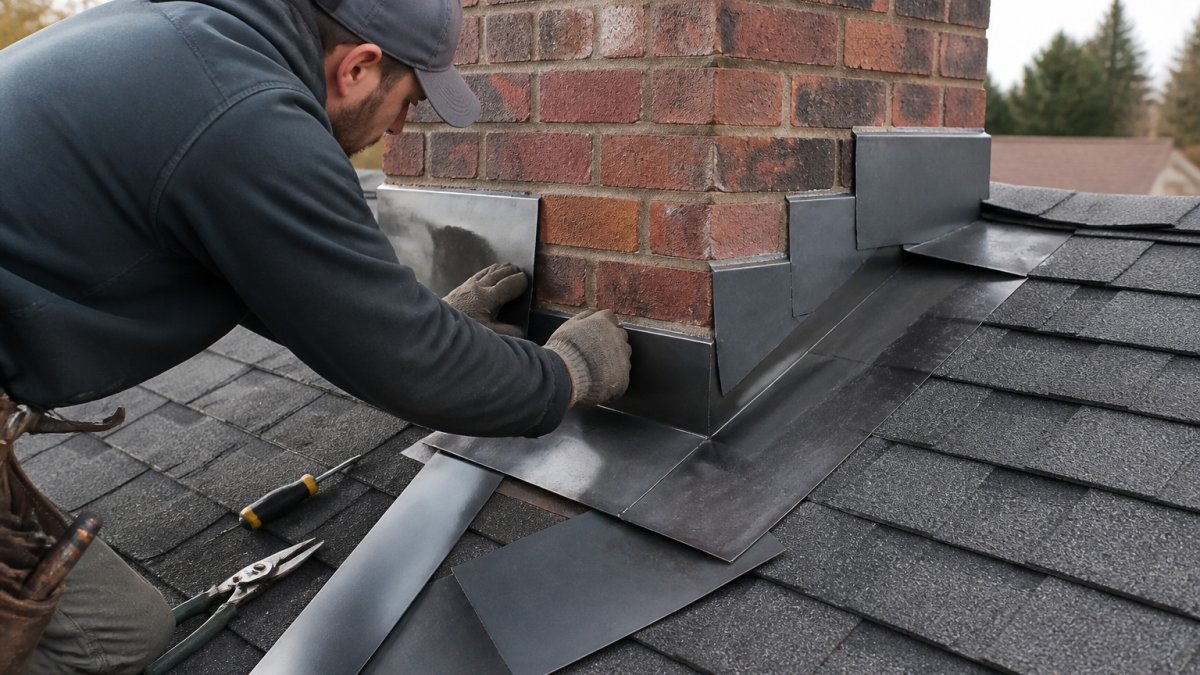
Important considerations: Check your roof warranty before installation. Some manufacturers void coverage if you drill holes in the roof or modify flashing. Contact your shingle manufacturer or review your warranty documentation. If your roof is under warranty, ask the manufacturer about approved prevention methods or have a professional installer handle it to preserve coverage.
Zinc and copper strips work best on asphalt shingle roofs. Consult a roofer if you have tile or metal roofs.
Apply preventive treatments after cleaning. Moss killer stops new growth for 1 to 2 years and complements metal strips during the first year.
Improve attic ventilation. Proper airflow keeps the roof dry and resists moss. Ensure soffit and ridge vents are clear.
Combine these steps: trim trees, clean gutters, install metal strips, and apply treatments as needed.
When to Hire a Professional
Some jobs are better left to professionals. Beyond safety and skill, protecting your roof warranty is critical.
Warranty Implications of DIY Roof Cleaning
Most asphalt shingle warranties cover defects for 15 to 25 years but exclude damage from improper maintenance or unauthorized cleaning.
What voids warranties:
- Using pressure washers or high-pressure water (most common cause of warranty denial)
- Drilling holes in the roof without manufacturer approval
- Modifying flashing or ridge caps without authorization
- Applying unapproved chemical treatments
- Walking on the roof excessively or in ways that damage granules
Other Reasons to Hire a Professional
Your roof is steep. Professionals have equipment and training for steep roofs.
Frequently Asked Questions
Is it safe to remove moss from roof myself?
Removing moss from your roof carries real risks. Falls from height are the primary danger, roof work requires proper ladder safety, secure footing, and protective gear. Wet moss is slippery, and roofs have varied pitch angles that increase injury risk. If your roof is steep, high, or you lack ladder safety experience, hiring a professional is safer. DIY removal is possible on low-pitch roofs with proper precautions and fall protection, but many homeowners underestimate the hazard.
What kills moss on a roof naturally?
White vinegar and water mixed at a 1:1 ratio kills moss effectively without harsh chemicals. Horticultural oil products are biodegradable and non-toxic alternatives. Zinc strips installed along roof ridges prevent moss growth by releasing zinc compounds when it rains, this is a long-term preventative solution. Baking soda solutions also work but require longer dwell time. These methods are gentler on roof integrity and reduce chemical runoff into soil and gutters.
Can I use a pressure washer to remove moss from my roof?
Pressure washers damage asphalt shingles by stripping protective granules and creating gaps where water enters. High-pressure spray forces water under shingles, accelerating roof decay and voiding warranties. Soft-bristled brushes and low-pressure rinsing are safer alternatives that remove moss without harming shingle integrity. If you must use water, keep pressure under 40 PSI and maintain a downward angle to avoid lifting shingles.
How long does it take for moss to grow back after removal?
Moss typically returns within 1-2 years in damp, shaded conditions without prevention measures. The timeline depends on roof pitch, shade exposure, moisture retention, and climate. Installing zinc or copper flashing accelerates regrowth prevention. Regular maintenance, removing debris, trimming overhanging branches, and improving ventilation, extends the time between cleanings. In the Pacific Northwest's wet climate, prevention hardware is more cost-effective than repeated manual removal.