 listicle
Sound Gutters and Roofing: Expert Review
Table of Contents
- Sound Gutters and Roofing Overview
- Gutter Installation Best Practices and Services
- Roof Repair and Replacement Services
- How to Choose a Roofing Contractor
- Roof Replacement Cost Estimate Factors
- Customer Satisfaction and Transparency
- Conclusion
- Frequently Asked Questions
Last Updated: September 30, 2026
Sound Gutters and Roofing Overview
Sound gutters and roofing systems are the first line of defense against water damage, structural decay, and costly interior repairs. Your gutters channel rainfall away from your foundation, while your roof protects everything beneath it from the elements. In the Pacific Northwest's wet climate, these two systems work together to prevent moss growth, water infiltration, and the mold problems that plague older homes.
At Sound Roof Care, we've spent over two decades helping homeowners understand that gutters and roofing aren't separate concerns, they're an integrated water management system. When either fails, structural damage can cost five to ten times more to repair than preventive maintenance.
Sound gutters and roofing maintenance helps extend your roof's lifespan and prevents interior water damage.
Gutter Installation Best Practices and Services
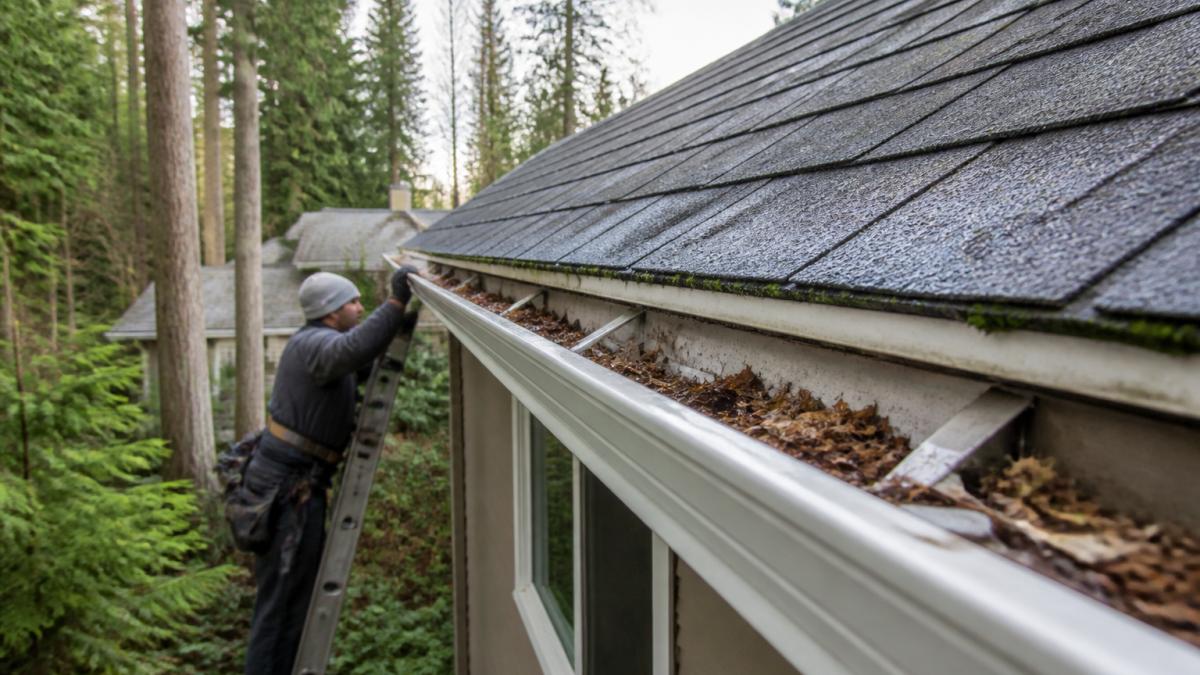
Proper gutter installation determines whether water flows safely away from your home or pools against your foundation. The most common mistake is undersizing gutters or using sectional systems that leak at the seams. Seamless gutters, fabricated on-site to fit your home's exact dimensions, eliminate those connection points where debris accumulates and water escapes.
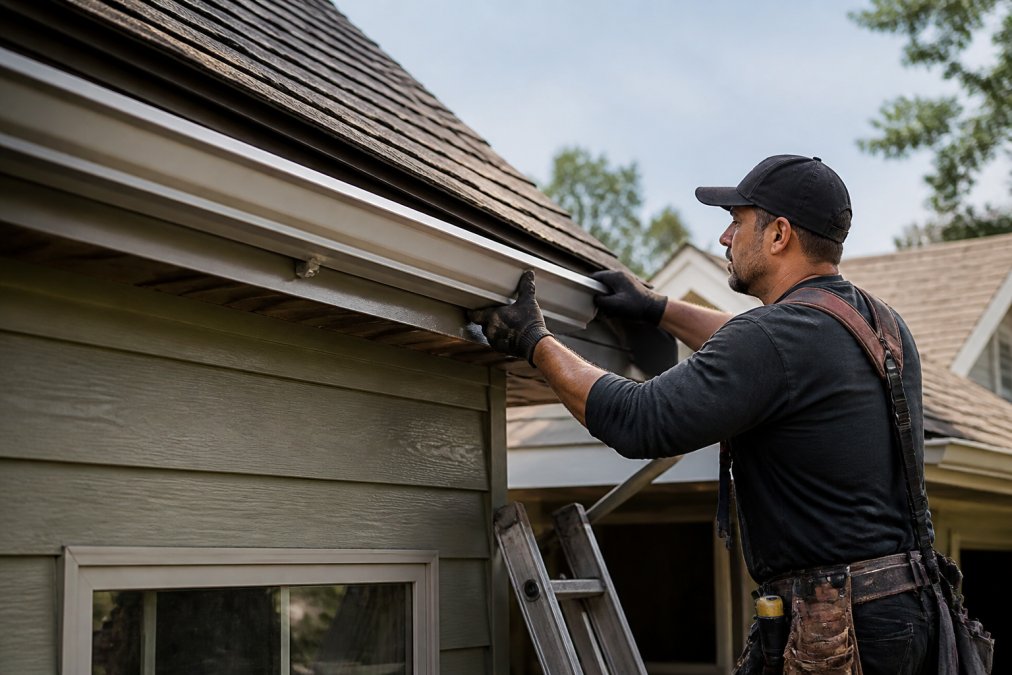
Installation Best Practices
Installation best practices include setting the correct pitch (0.5 inches per 10 feet) so water flows toward downspouts, and extending downspouts 4-6 feet from your foundation to prevent soil saturation around the basement.
Gutter guards use micro-mesh to keep debris out. For homes surrounded by trees, they can reduce manual cleaning frequency.
Gutter Material Comparison: Aluminum vs. Copper vs. Vinyl
Gutter material choice affects durability, cost, and maintenance burden. Here's how the three most common options compare:
Aluminum Gutters are the industry standard: lightweight, affordable ($3-$5 per linear foot), and rust-resistant with a 20-30 year lifespan. They require painting every 5-10 years and can dent from impact. Seamless aluminum eliminates seams where water escapes.
Copper Gutters last 50+ years but cost $8-$15 per linear foot and require professional installation. Copper develops an attractive patina but can stain siding and is a theft target in some areas.
Vinyl Gutters cost $2-$3 per linear foot and require no painting, but become brittle in cold climates and last only 10-15 years. Best suited to mild climates.
Seamless aluminum offers the best balance of durability, cost, and maintenance. Copper suits long-term homeowners who value aesthetics. Avoid vinyl in cold climates.
DIY vs. Professional Installation: When to Call a Pro
Gutter installation looks straightforward but involves critical details that determine whether your system works or fails. Here's how to decide:
Call a professional if: Your roof pitch is steep (8:12+), your home is two stories or taller, you have complex rooflines, or you're installing seamless gutters. Seamless fabrication requires specialized equipment. Steep or tall homes create fall risk; professional crews have safety equipment and insurance.
DIY is feasible if: You're installing sectional gutters on a single-story home with a simple roofline and you're comfortable at heights. Ensure proper pitch, secure fastening, and correct downspout placement, small mistakes cause water damage within a year.
Water damage from DIY mistakes can be costly to repair. Professional installation is a low-risk insurance policy.
Sound Roof Care specializes in seamless gutter installation for the region's rainfall patterns. Our certified technicians ensure proper slope and downspout placement.
Roof Repair and Replacement Services
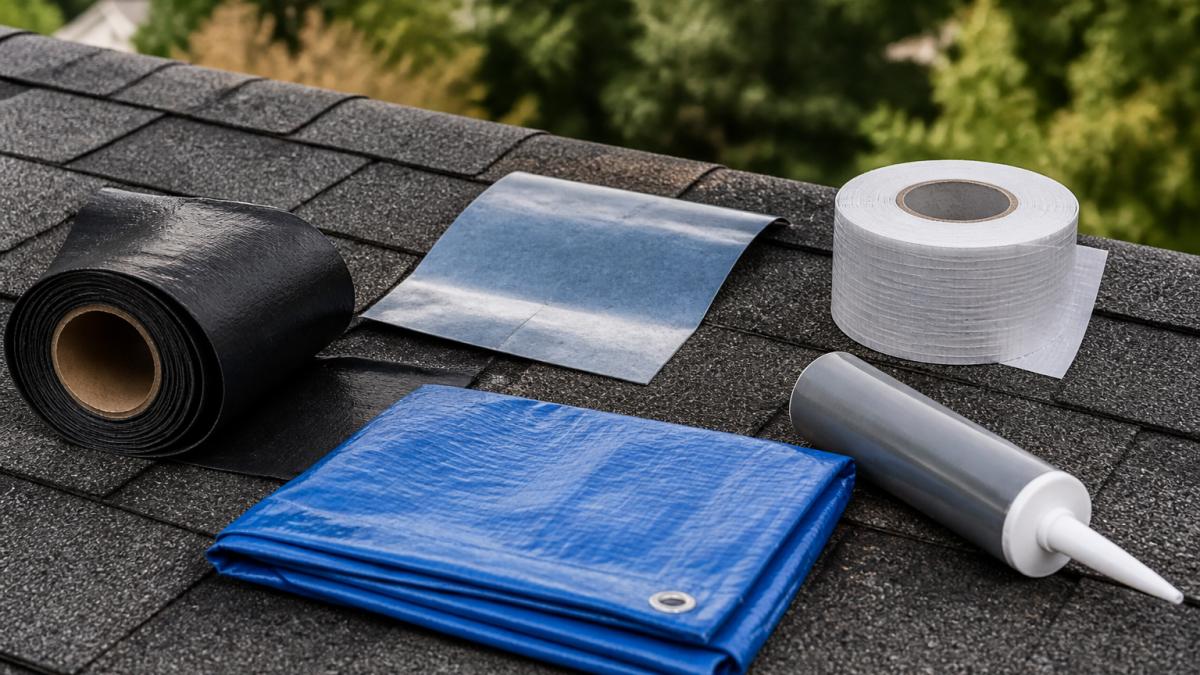
Roof repairs address immediate problems like missing shingles, flashing leaks, or moss growth. This works when your roof is under 15 years old and damage is localized, potentially extending its life at a fraction of replacement cost.
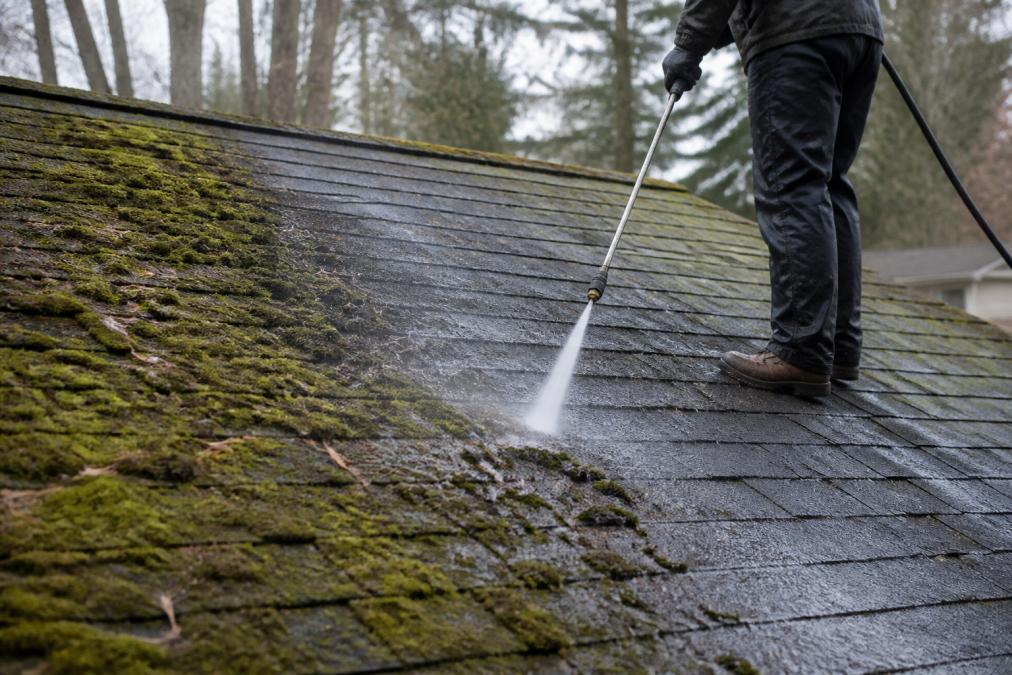
Roof replacement becomes necessary with widespread damage: multiple missing shingles, sagging sections, granule loss, or moss covering 30%+ of the surface. In the Pacific Northwest, moss growth signals moisture penetration and wood rot.
Roof replacement involves removing old roofing, inspecting for water damage, repairing decking, and installing new shingles, flashing, and ventilation. A professional replacement takes a few days and cost varies by pitch, material, and labor rates.
Sound Roof Care has helped thousands of homeowners protect their roofs across Pierce, King, Thurston, Lewis, and Mason counties, prioritizing proper ventilation, quality flashing, and materials rated for freeze-thaw cycles. We offer transparent pricing with no hidden charges.
How to Choose a Roofing Contractor
The biggest mistake homeowners make is choosing based on price alone. The cheapest quote often reflects corner-cutting: lower-quality materials, inexperienced crews, or skipped steps.
Verify licensing and insurance. Your contractor should carry general liability insurance and workers' compensation. Confirm current credentials to protect yourself if someone is injured or work doesn't meet code.
Ask for references from recent local projects. A contractor with local experience understands weather patterns, building codes, and climate challenges. Ask references about the contractor's response to problems and whether final costs matched estimates.
Get at least three written estimates that break down roofing material, labor, permits, and additional work. Be wary of single-line-item estimates where you can't evaluate value.
Ask about warranty coverage. Most manufacturers offer 20-30 year material warranties, but workmanship warranties vary. Sound Roof Care backs our work with transparent warranties covering both materials and labor.
Roof Replacement Cost Estimate Factors
Roof replacement pricing depends on several variables that determine your final cost. Understanding these factors helps you evaluate estimates and avoid overpaying for work you don't need.
Primary Cost Drivers
Roof Size (Measured in Squares) is the foundation of any estimate. One "square" equals 100 square feet. A 2,000 square-foot home typically has 2,200-2,400 squares. Larger roofs cost more overall but have lower per-square costs.
Roof Pitch affects labor costs significantly. Shallow pitch (4:12 or lower) requires minimal fall protection. Steep pitch (8:12+) requires specialized safety equipment and increases labor time by 30-50%.
Material Choice drives the largest cost difference. Asphalt shingles are an affordable option and perform well in most climates. Architectural shingles (also asphalt-based but thicker and more durable) cost more but last longer and look better. Premium materials like architectural shingles with impact resistance are also available. Metal roofing is another option depending on the metal type (aluminum, steel, or copper). Slate or tile roofing, rarely used in residential work, can be a premium choice.
Labor Costs vary by region and contractor experience. In most markets, labor represents 40-60% of the total roof replacement cost. Experienced crews with strong reputations often charge more but work faster and produce higher-quality results. Newer contractors or those with limited reviews may quote lower labor rates but may take longer or cut corners.
Removal and Disposal of old roofing adds $1-$2 per square. If your home has multiple layers of old shingles (common in homes that have been re-roofed), removal costs increase. Some jurisdictions require old asphalt shingles to be recycled rather than landfilled, which can add to disposal fees.
Decking Repair or Replacement is discovered during removal and can significantly increase costs.
Typical Cost Ranges by Material
For a 2,200 square-foot home (22 squares) with a moderate pitch (6:12) and no major decking damage, costs vary:
- Asphalt Shingles: This includes materials, labor, removal, permits, and basic flashing.
- Architectural Shingles: Better durability and appearance justify the premium.
- Metal Roofing: Higher upfront cost but lasts a long time, making the per-year cost competitive with asphalt.
When Repair Makes More Sense Than Replacement
Roof replacement is expensive, so it's worth asking whether repair is the better choice. Repair makes sense if:
- Your roof is under 15 years old and damage is localized (a few missing shingles, a single flashing leak, or moss in one section).
- The damaged area represents less than 10% of the roof surface.
- The underlying decking is sound (no soft spots or rot).
- Your roof has no signs of widespread granule loss or sagging.
Getting Accurate Estimates
A quality estimate breaks down materials, labor, permits, and any additional work discovered during inspection. Be wary of estimates that lump everything into a single line item or quote a price over the phone without inspecting your roof. Hidden damage discovered during removal is the most common reason estimates change, but a thorough initial inspection minimizes surprises.
Customer Satisfaction and Transparency
The roofing industry has a reputation for hidden charges and aggressive upselling. Homeowners call with concerns about quotes that doubled when "hidden damage" was discovered, or work that didn't match the contractor's promises. This erosion of trust happens because customers don't understand what they're paying for.
Conclusion
Sound gutters and roofing systems protect your home's structure and value. The right contractor combines experience, honest pricing, and a commitment to long-term solutions rather than quick fixes. Sound Roof Care brings over two decades of expertise to every project, with certified technicians who understand the Pacific Northwest's unique climate challenges.
Frequently Asked Questions
What is the average cost to replace gutters?
Gutter replacement costs depend on several factors: the linear footage of gutters needed, material choice (aluminum, copper, steel), whether downspout replacement is required, and regional labor rates. For pricing specific to your home and location, Sound Roof Care can provide an accurate quote based on your property's needs.
How do I choose a roofing contractor I can trust?
Look for contractors with verifiable experience in your region's climate, proper licensing and insurance, and transparent pricing with no hidden fees. Ask for references from recent projects and check customer reviews on independent platforms. A trustworthy contractor will provide a detailed written estimate, explain findings from roof inspections clearly, and offer maintenance plans to extend your roof's lifespan. Sound Roof Care's family-owned history since 2009 and certified technicians reflect the accountability standards worth seeking.
Will professional moss treatment and maintenance really prevent moss from returning quickly in our wet climate?
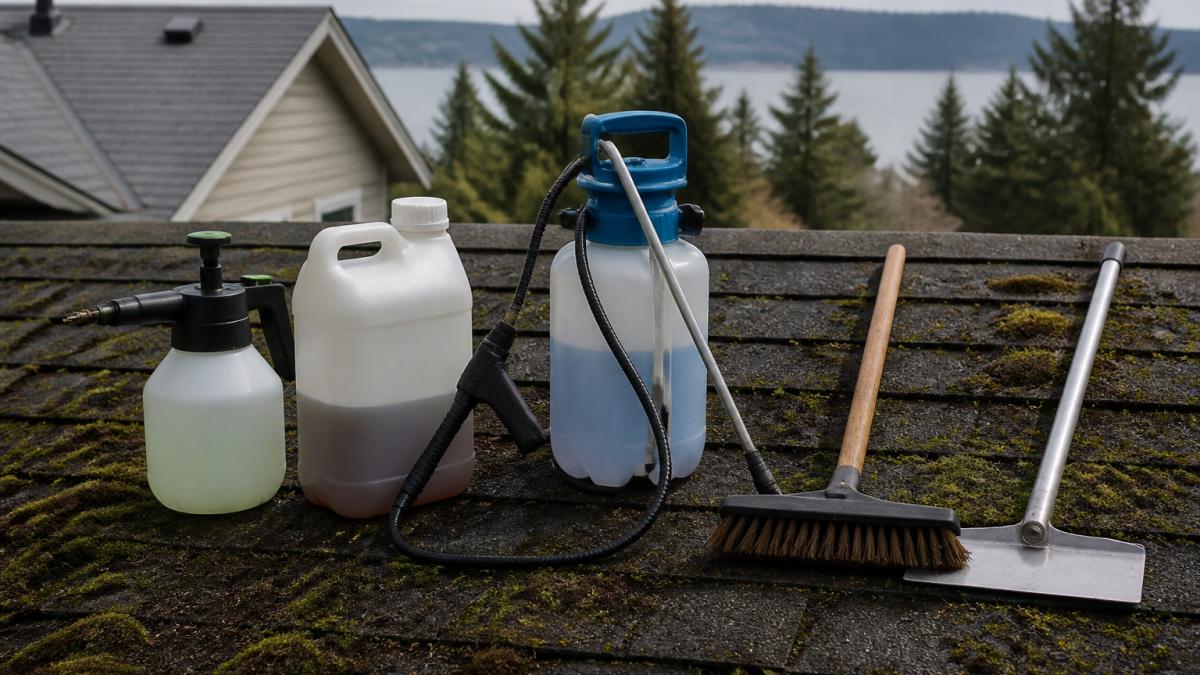
Professional moss removal combined with regular maintenance significantly slows regrowth compared to DIY cleaning alone. Specialists address underlying conditions: improving drainage, removing debris that traps moisture, and treating affected areas with solutions that inhibit regrowth. In the Pacific Northwest's wet environment, scheduled maintenance helps prevent moss buildup that damages shingles and shortens roof lifespan. Sound Roof Care specializes in climate-specific strategies that reduce how often you need service.
Are gutters usually included in a full roof replacement?
Gutters are not automatically included in roof replacement estimates. During a roof replacement, contractors may recommend gutter replacement or repairs if damage is found, but this is typically a separate line item with its own cost. Some homeowners bundle gutter work with roof replacement for convenience and to ensure the entire water management system functions properly. Always ask your contractor whether gutters are included or quoted separately before finalizing your project scope.
If your roof is showing signs of age, moss growth, or water damage, don't wait for a leak to become a structural problem. Get in touch with Sound Roof Care today for a free inspection and transparent estimate. Our team will assess your roof's condition, explain what you need, and deliver the honest service your home deserves.