 listicle
7 Best Moss Treatments for PNW Roofs
Table of Contents
- Understanding Moss Growth in the Pacific Northwest
- Quick Comparison: Top Moss Treatment Options
- 1. Lilly Miller Moss Out! For Roofs and Structures
- 2. BioAdvanced Moss & Algae Killer & Cleaner
- 3. Copper Ridge Strips for Long-Term Prevention
- 4. Zinc Shield Roof Strips
- 5. Liquid Chlorine Bleach (DIY Solution)
- 6. Professional Soft-Wash Roof Cleaning Service
- Frequently Asked Questions
Last Updated: October 2, 2026
Understanding Moss Growth in the Pacific Northwest
Moss thrives in the Pacific Northwest's cool, wet climate, making it one of the most common roofing problems homeowners face in this region.
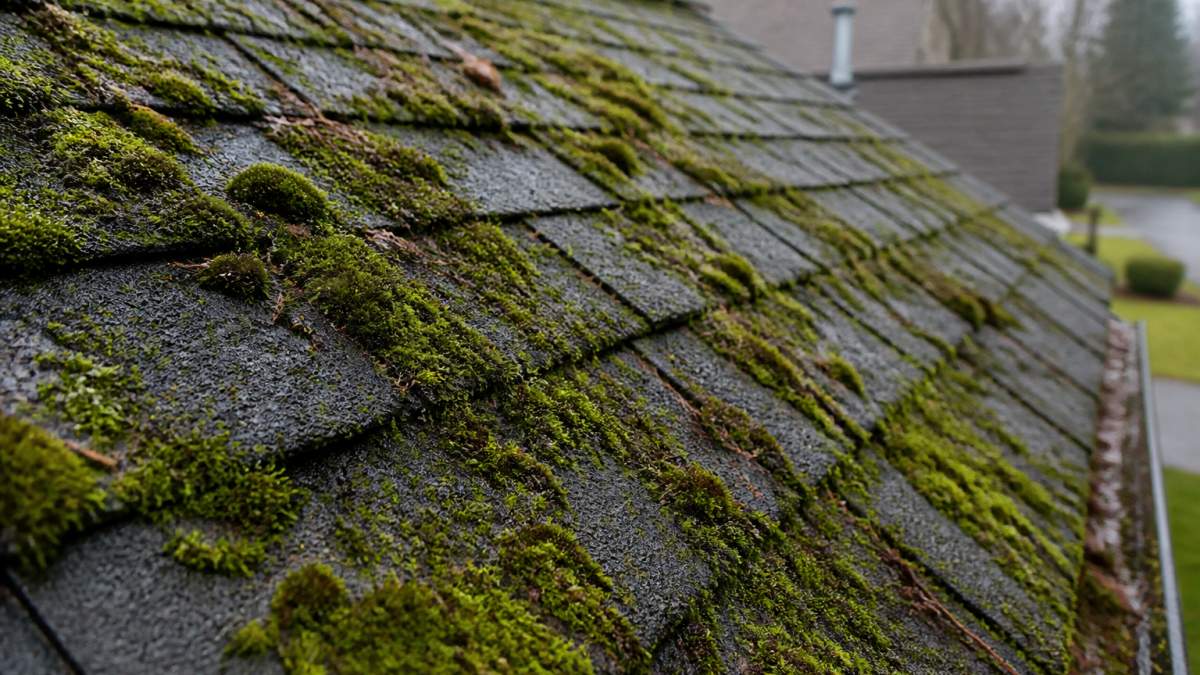
The real problem isn't just appearance. Moss retains water against your roof surface, which leads to premature shingle oxidation and granule loss.
At Sound Roof Care, we've helped thousands of homeowners protect their roofs across the Puget Sound region, and we consistently see that early intervention saves both money and headaches. The best moss treatment PNW roofs depends on your roof's age, material, and how much moss has already accumulated. Some situations call for chemical treatment, others for preventative strips, and some require professional soft-wash cleaning to avoid shingle damage.
Understanding what causes moss growth in your specific microclimate is the first step toward choosing the right moss treatment for PNW roofs.
Quick Comparison: Top Moss Treatment Options
| Treatment Type | Best For | Application Method | Maintenance Required |
|---|---|---|---|
| Zinc-based granules (Lilly Miller) | Budget-conscious homeowners, light to moderate moss | Sprinkle on roof or mix with water | Manual moss removal after treatment |
| Fast-acting liquid spray (BioAdvanced) | Quick results, visible algae buildup | Pump sprayer application | Multiple applications for heavy growth |
| Copper ridge strips | Long-term prevention, hands-off approach | Install at roof peak | None, set and forget |
| Zinc shield strips | Cost-effective prevention, easy installation | Nail installation near ridge | None, passive prevention |
| Liquid bleach DIY | Extreme budget constraints | Garden sprayer with 50:50 dilution | Careful vegetation management, safety gear |
| Professional soft-wash service | Maximum safety, complete inspection, heavy moss | Low-pressure cleaning equipment | Depends on prevention strategy chosen |
1. Lilly Miller Moss Out! For Roofs and Structures
This zinc sulfate-based treatment kills moss on contact and prevents new growth when applied correctly. The granular formula spreads easily across your roof, and as rainwater runs down the shingles, it activates the zinc ions that inhibit moss spore germination.
Material Compatibility and Safety Considerations
Before applying Lilly Miller Moss Out, verify your roof material, compatibility varies significantly:
- Asphalt shingles (most common): Lilly Miller Moss Out is safe and effective. The zinc formula does not accelerate granule loss or shingle degradation when applied at recommended rates. Apply at 4-6 ounces per 100 square feet of roof surface.
- Metal roofs (standing seam or corrugated): Avoid this product. Zinc sulfate can accelerate corrosion on uncoated steel and aluminum, creating rust spots and reducing the metal's lifespan. Choose copper ridge strips or professional soft-wash instead.
- Cedar shake or wood shingles: Do not use. Zinc sulfate can discolor wood and interfere with natural wood preservation treatments. Opt for copper strips or manual removal followed by improved ventilation.
- Slate or tile roofs: Safe to use, though moss is less common on these materials due to their density and smooth surface. Application is straightforward, but manual removal of dead moss is more labor-intensive due to the uneven surface.
Application and Follow-Up Work
The tradeoff is straightforward: you'll need to manually remove the dead moss after treatment. Once the moss dies (typically within 3-7 days depending on weather), it becomes brittle and must be brushed or swept away to prevent it from blocking gutters or creating new moisture pockets.
Best for homeowners with asphalt shingle roofs seeking a proven chemical solution without professional installation. The product's non-corrosive formula works safely on most asphalt shingles without causing additional damage when applied per label instructions and followed by proper cleanup.
2. BioAdvanced Moss & Algae Killer & Cleaner
Speed matters when you're looking at a roof covered in visible moss and algae. BioAdvanced's fast-acting formula shows visible results within hours, often within the same day of application.
Where this product shines is on roofs with both moss and algae buildup. Many homeowners in the Pacific Northwest deal with both problems simultaneously, and this formula targets both organisms. The non-staining formula is safe for most roof types, though you should always test a small area first.
The limitation: heavy infestations may need multiple applications spaced a few weeks apart. If your roof has years of accumulated moss, expect to repeat treatment to fully clear it. For moderate growth, one application usually suffices.
3. Copper Ridge Strips for Long-Term Prevention
Once you've cleared moss from your roof, copper ridge strips offer genuine set-it-and-forget-it prevention.
The upfront cost is higher than granular treatments, but the math works in your favor if you're tired of annual moss battles.
The catch: these strips don't remove existing moss. You'll need to clear your roof first using another method, then install strips to prevent regrowth.
4. Zinc Shield Roof Strips
Zinc Shield strips offer a lower-cost alternative to copper for homeowners seeking passive, long-term prevention. The galvanized zinc construction releases moss-inhibiting ions during rainfall, protecting your entire roof slope without active treatment.
The durability of zinc-based strips typically matches copper performance at a reduced price point.
The main consideration: like copper strips, they require clear roof conditions before installation. Heavy existing moss must be removed first.
5. Liquid Chlorine Bleach (DIY Solution)
When budget is the primary constraint, a 50:50 mixture of household chlorine bleach and water kills moss effectively.
Critical Safety and Environmental Precautions
The serious drawbacks require your full attention. Chlorine bleach damages plants and landscaping below your roof if runoff isn't managed carefully.
This method also requires physical safety precautions. Working on a wet roof with bleach is inherently risky. Many homeowners underestimate the hazards of roof access and slip-and-fall accidents.
Post-Treatment Cleanup Protocol (Essential Step)
Bleach application is only half the job. Improper cleanup after treatment causes more damage than the moss itself, dead moss clogs gutters, traps moisture against shingles, and accelerates deterioration if left in place. Follow this cleanup sequence:
-
Wait 48-72 hours after bleach application before attempting cleanup. This allows the moss to fully die and become brittle, reducing the risk of tearing live moss roots deeper into shingles.
-
Protect landscaping before cleanup begins. Lay tarps or plastic sheeting along the roof edge to catch debris and prevent dead moss from falling onto plants, mulch, or soil. Dead moss is still toxic to vegetation if it contains bleach residue.
-
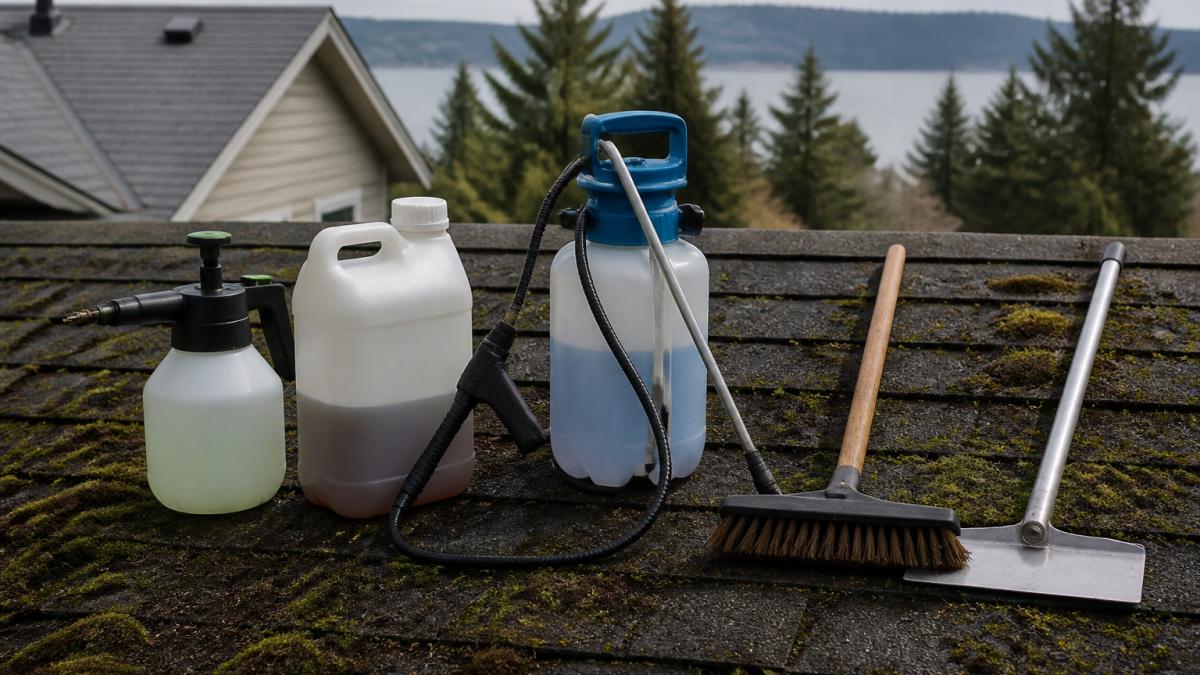
Remove dead moss gently. Use a soft-bristle roof brush or broom, never a pressure washer or metal scraper. Brush in the direction of the roof slope (downward) to avoid lifting shingle edges. Work in small sections to maintain control and avoid dislodging granules.
-
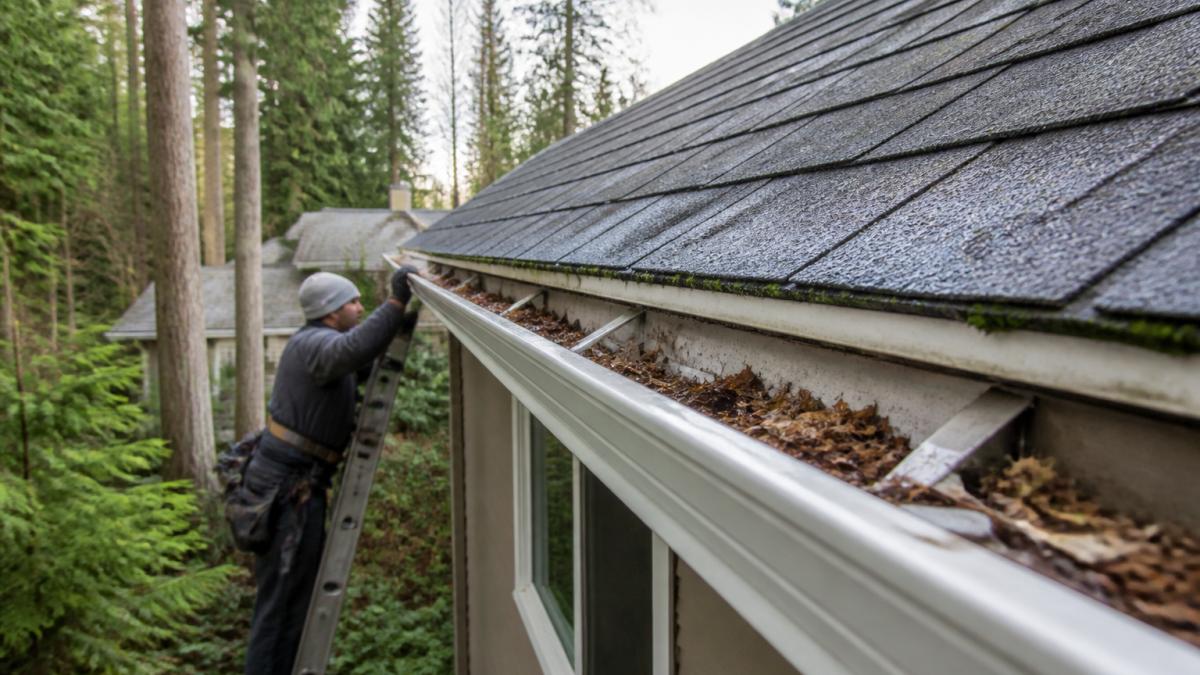
Clear gutters immediately. Dead moss accumulates in gutters and downspouts, blocking water flow and creating the exact moisture-retention problem you were trying to solve. Remove all debris by hand or with a gutter scoop; do not use a pressure washer on gutters, which can damage seams and fasteners.
-
Rinse the entire roof thoroughly. After dead moss removal, use a garden hose (not a pressure washer) to rinse the roof surface and gutters. This removes any remaining bleach residue, which can continue to damage shingles and harm landscaping if left to dry on the surface.
-
Inspect for damage. Once the roof is dry, walk the perimeter and check for lifted shingle edges, missing granules, or areas where the brush may have caused gouges. Document any damage for warranty claims if applicable.
When to Skip This Method
6. Professional Soft-Wash Roof Cleaning Service
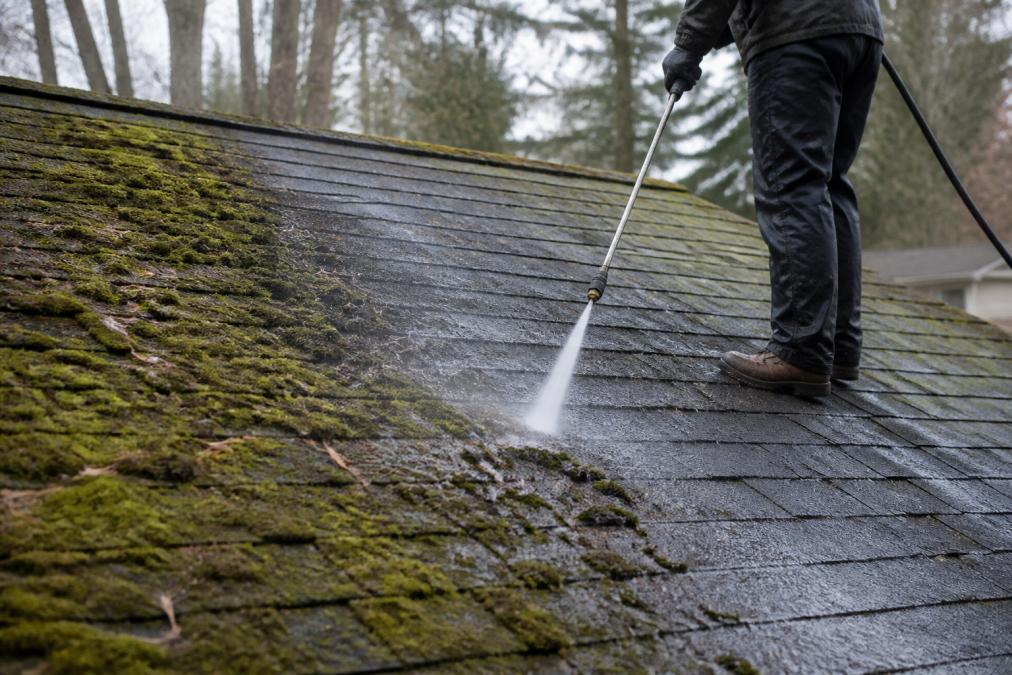
Professional soft-wash cleaning eliminates the guesswork and safety risks of DIY approaches. Certified technicians use low-pressure equipment specifically calibrated to remove moss without damaging asphalt shingles or granule formulas. The process includes professional-grade mossicide application and a thorough roof inspection that catches potential problems before they become expensive.
Sound Roof Care specializes in soft-wash cleaning tailored to the Pacific Northwest's unique climate.
The value extends beyond the immediate moss treatment. A professional inspection often identifies early-stage shingle oxidation, gutter issues, or structural concerns that homeowners miss.
Choosing the right moss treatment PNW roofs depends on your roof's current condition, your comfort level with maintenance, and how much time you want to invest in prevention.
The most important decision is acting before moss becomes severe.
Frequently Asked Questions
What is the most effective moss treatment for PNW roofs?
The most effective moss treatment depends on your roof's condition and material. For existing moss, Lilly Miller Moss Out! and BioAdvanced Moss & Algae Killer work quickly with chemical formulas containing zinc or other active ingredients. For long-term prevention, Copper Ridge Strips and Zinc Shield Roof Strips use passive copper or zinc oxidation to inhibit regrowth. Professional soft-wash cleaning combines chemical treatment with expert inspection, making it ideal for heavy infestations or older roofs. Choose based on whether you need immediate results or sustained prevention.
What is the best time of year to remove moss from a roof?
Spring (April-May) and early fall (September-October) are optimal for roof moss treatment. Spring treatment prevents moss from thriving during the wet summer months. Fall treatment removes accumulated growth before winter moisture intensifies the problem. Avoid winter application when cold temperatures and rain reduce treatment effectiveness. Summer is less ideal due to heat reducing chemical efficacy. Plan treatments to align with your region's wet season patterns and follow product instructions for temperature requirements.
Is it safe to use bleach on roof shingles?
Diluted chlorine bleach (50:50 with water) can kill moss effectively, but it requires careful handling. The main risks are harm to surrounding vegetation, landscape damage from runoff, and potential harm to beneficial organisms. Bleach can also weaken shingle granules if not rinsed thoroughly. Always wear protective gear, rinse the roof extensively after application, and protect plants below. For safety-conscious homeowners, zinc-based treatments or professional soft-wash services are less risky alternatives that avoid environmental concerns.
How often should you treat your roof for moss?
Chemical treatments typically require reapplication every 1-2 years depending on climate, roof pitch, and shade exposure. Preventative strips (copper or zinc) last 5-10+ years without reapplication. Professional maintenance every 2-3 years extends roof lifespan and catches problems early. In the Pacific Northwest's wet climate, annual inspection is recommended to catch regrowth before it damages shingles. Combine treatments with gutter cleaning and branch pruning to reduce moss recurrence and extend intervals between applications.
Can moss cause permanent damage to asphalt shingles?
Yes, untreated moss can cause permanent damage to asphalt shingles. Moss retains moisture against the roof surface, leading to shingle oxidation and granule loss that accelerates deterioration. Thick moss mats trap debris and water, compromising roof integrity and shortening shingle lifespan by years. Severe infestations can create structural damage if moisture penetrates into the attic. Early treatment prevents this damage. Professional inspection identifies whether moss has already caused granule loss or shingle weakening, helping you decide between treatment and roof replacement.