 listicle
Sound Performance Roofing: Expert Review & Services
Table of Contents
- Sound Performance Roofing: Overview and Core Services
- Roofing Installation Services and Workmanship Standards
- Roof Repair, Maintenance, and Moss Treatment
- Questions to Ask a Roofing Contractor Before Hiring
- Roofing Contractor Vetting Checklist: What to Verify
- Average Cost of Roof Replacement and Budget Planning
- Why Sound Performance Roofing Stands Out in the Region
- Frequently Asked Questions
Last Updated: September 25, 2026
Sound Performance Roofing: Overview and Core Services
When your roof leaks, delays multiply water damage costs. Sound Roof Care has served the Puget Sound region since 2009, handling emergency tarping through full replacements. This guide covers what to expect from a quality contractor, how to evaluate options, and why the right partner matters more than price alone.
Sound Roof Care specializes in residential maintenance, leak detection, moss treatment, and installations for the Pacific Northwest's wet climate. Certified technicians prioritize transparent pricing and long-term solutions over quick fixes that fail within years.
Core services include roof inspection, shingle replacement, gutter installation, skylight services, and attic remediation. Understanding when each is needed helps you avoid unnecessary repairs while catching problems early.
Roofing Installation Services and Workmanship Standards
Roof replacement is a major investment. Installation quality determines whether your roof lasts 15 or 25 years. Sound Roof Care uses certified methods meeting manufacturer specs and building codes.
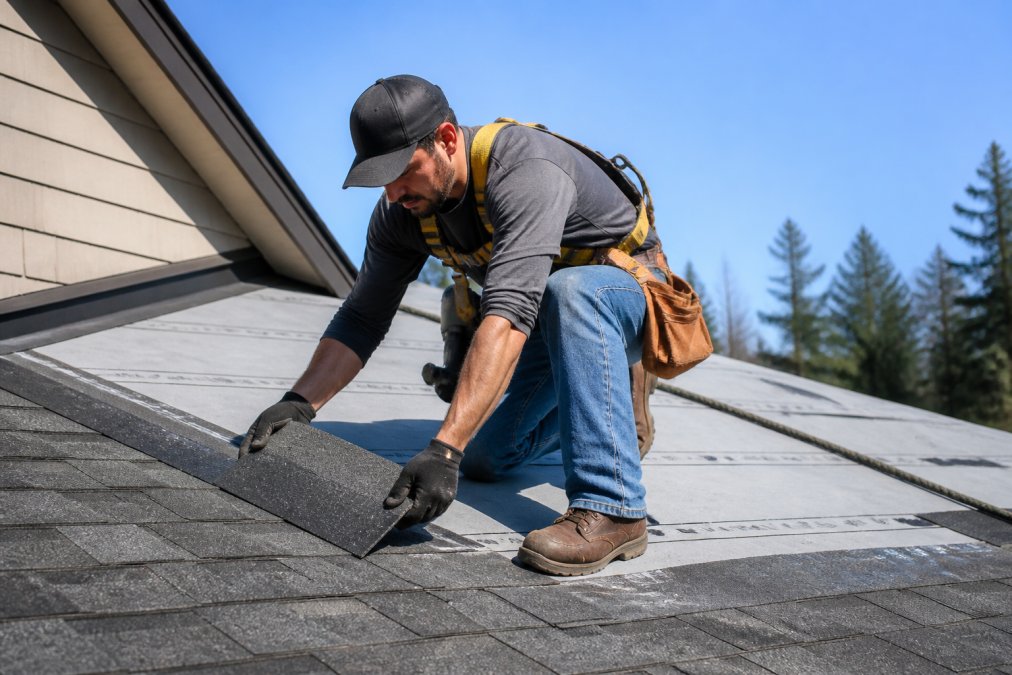
Proper installation requires underlayment, flashing, ventilation, and decking to work together shedding water and preventing ice dams. Corners cut on underlayment or nailing create leaks months or years later. Sound Roof Care follows manufacturer guidelines, keeping warranties valid and roofs performing as designed.
Material Selection: Asphalt Shingles vs. Metal vs. Composite
Choosing the right roofing material is as important as installation quality. Each material type offers different benefits and trade-offs for Pacific Northwest weather.
Asphalt Shingles cost $3-$5 per square foot and last 15-20 years in this region's moist climate. They're easy to repair and widely available but absorb moisture and require moss treatment every 2-3 years. In shaded areas, moss reduces lifespan to 12-15 years. Sound Performance Roofing recommends IKO Dynasty and Malarkey Vista AR for algae resistance and 130 mph wind resistance.
Metal Roofing costs $8-$12 per square foot and lasts 40-50+ years. It sheds moss naturally, is lightweight and fire-resistant, and requires minimal maintenance. Trade-offs: higher upfront cost and fewer experienced installers. Ideal for long-term homeowners or heavily shaded areas with persistent moss.
Composite Roofing costs $10-$15 per square foot and lasts 25-35 years. It mimics slate or wood shake with better durability and moss resistance than asphalt. Fewer regional contractors stock or install it. Best for homeowners seeking premium aesthetics without natural slate fragility.
Regional Considerations: The Pacific Northwest's rainfall, shade, and cool temperatures favor moss growth on asphalt shingles. Metal eliminates this problem. Asphalt requires moss treatment every 2-3 years; metal requires minimal maintenance but costs more upfront.
Installation Standards and Warranty Protection
Regardless of material choice, installation quality determines performance. Sound Roof Care follows manufacturer specifications for every installation:
- Underlayment: Synthetic or felt underlayment over the deck provides secondary moisture barrier, preventing water from reaching the deck if shingles fail.
- Flashing: Metal flashing around chimneys, skylights, vents, and valleys directs water away from penetrations. Improper flashing is the #1 cause of leaks. Sound Performance Roofing uses step and counter-flashing exceeding code.
- Fastening: Nails driven at correct angle and depth (typically 4-6 per shingle) prevent punctures and wind lift.
- Ventilation: Balanced intake (soffit) and exhaust (ridge/gable) vents prevent moisture and heat buildup that shortens lifespan and promotes mold.
Installation takes 2-5 days: old roofing removal, deck inspection, underlayment and flashing installation, then new shingles or panels.
Roof Repair, Maintenance, and Moss Treatment
Repairs address specific problems: missing shingles, flashing leaks, or branch damage. Maintenance prevents problems from developing. Moss treatment removes growth that traps moisture against shingles in the Pacific Northwest's moist climate.
Questions to Ask a Roofing Contractor Before Hiring
Ask specific questions before signing to distinguish contractors who cut corners from those who stand behind their work.
Roofing Contractor Vetting Checklist: What to Verify
A vetting checklist helps you evaluate contractors systematically. This checklist covers licensing, experience, customer feedback, and communication style.
| Verification Step | What to Check | Red Flag |
|---|---|---|
| License and Bonding | State licensing board has current active license | No license or expired license |
| Insurance | Liability and workers' comp coverage confirmed | Uninsured or underinsured |
| References | 3+ recent local projects with positive feedback | Unwilling to provide references |
| Written Estimate | Detailed breakdown of materials and labor | Vague estimate or verbal quote only |
| Communication | Responsive to calls and emails, clear explanations | Slow to respond or dismissive of questions |
| Warranty | Written workmanship warranty 5+ years | Verbal promise only or no warranty offered |
| BBB/GuildQuality | Verified customer reviews and ratings | No verifiable feedback or poor ratings |
Average Cost of Roof Replacement and Budget Planning
Replacement cost depends on roof size, material, complexity, and labor rates. Understanding the breakdown helps you budget and compare estimates.
Roofing Cost Estimator Framework
Total cost = (Roof area in squares × material cost per square) + (Labor cost per square × roof area) + (Disposal/removal) + (Permits). A "square" equals 100 sq ft; most residential roofs are 15-30 squares (1,500-3,000 sq ft).
Material Costs (per square, installed):
- Asphalt shingles (standard): $300-$500 per square
- Asphalt shingles (premium, algae-resistant): $400-$650 per square
- Metal roofing (standing seam): $800-$1,200 per square
- Composite shingles: $1,000-$1,500 per square
-
Asphalt Shingle Replacement (Standard)
- Material: $300/sq × 20 = $6,000
- Labor: $200/sq × 20 = $4,000
- Removal/disposal: $500-$800
- Permits: $100-$300
- Total: $10,600-$11,100
- Lifespan: 15-20 years
-
Asphalt Shingle Replacement (Premium, Algae-Resistant)
- Material: $500/sq × 20 = $10,000
- Labor: $200/sq × 20 = $4,000
- Removal/disposal: $500-$800
- Permits: $100-$300
- Total: $14,600-$15,100
- Lifespan: 18-22 years (better moss resistance)
-
Metal Roofing Installation
- Material: $1,000/sq × 20 = $20,000
- Labor: $300/sq × 20 = $6,000
- Removal/disposal: $500-$800
- Permits: $100-$300
- Total: $26,600-$27,100
- Lifespan: 40-50+ years
Cost Factors That Increase Price
- Roof Pitch: Steep roofs (8/12 pitch or higher) require more safety equipment and labor. Expect 10-20% labor cost increase.
- Roof Complexity: Multiple valleys, dormers, skylights, and chimneys require more flashing and labor.
- Structural Damage: If the roof deck is rotted or damaged, replacement adds $500-$2,000+ depending on extent.
- Removal of Old Roofing: Most estimates include removal, but if multiple layers exist (common in older homes), removal cost increases by $100-$300 per square.
- Permits and Inspections: Some jurisdictions require final inspection before payment.
- Emergency/Off-Season Work: Scheduling during dry months (May-September) offers better pricing and contractor availability.
Financing and Payment Terms
Sound Roof Care provides free estimates showing actual costs. Most contractors request a deposit to secure the project and order materials, with balance due upon completion.
Budget Planning Strategy
- Get 2-3 estimates from licensed contractors. Compare not just price but warranty, timeline, and material quality. The lowest bid often reflects lower material quality or shortcuts on installation.
- Ask for itemized breakdown: Material cost, labor cost, removal, permits, and warranty should be listed separately so you understand what you're paying for.
- Plan ahead: Schedule roof replacement during the dry season (May-September) to avoid emergency pricing and get better contractor availability.
- Consider long-term value:
- Factor in maintenance: Asphalt shingles require moss treatment. Metal roofing requires minimal maintenance. Include maintenance costs in your long-term budget.
Sound Roof Care competes on value, quality materials, proper installation, warranty, not lowest price. Compare total cost of ownership (material + labor + maintenance + lifespan) rather than installation price alone.
Why Sound Performance Roofing Stands Out in the Region
Sound Roof Care is family-owned, focused on the Puget Sound region with deep expertise in Pacific Northwest weather, moss treatment, and moisture management across Pierce, King, Thurston, Lewis, and Mason counties.
Frequently Asked Questions
What makes Sound Performance Roofing different from other roofing contractors in the region?
Sound Roof Care combines over two decades of family-owned experience with certified technicians and specialized knowledge of Pacific Northwest weather conditions. The company prioritizes transparent pricing with no hidden fees, safety-focused technicians, and a commitment to honest assessment rather than unnecessary upsells. This approach helps homeowners make informed decisions about roof repair, maintenance, or full replacement based on actual structural needs.
How should I evaluate a roofing contractor before hiring them?
Use a roofing contractor vetting checklist that includes verifying licensing and bonding status, checking references from recent residential projects, reviewing customer testimonials on verified platforms, and asking about workmanship warranty terms. Request a detailed written estimate that breaks down materials, labor, and timeline. A reputable contractor should provide a professional roof inspection, explain findings clearly, and answer all your questions without pressure to proceed immediately.
What questions should I ask a roofing contractor during the estimate process?
Ask about their experience with your roof type and the local climate, what roofing materials they recommend and why, whether they handle their own installation or subcontract work, what warranty covers both materials and workmanship, how they handle unexpected damage discovered during the project, their timeline and crew size, and whether they carry liability insurance and workers' compensation. Also ask for references from homes in your county with similar roof age and construction, and clarify the total cost estimate with no hidden fees.
What is the average cost of roof replacement and how do I budget for it?
Roof replacement costs depend on roof size (measured in squares, where one square equals 100 square feet), pitch complexity, material choice, and local labor rates. Request quotes from multiple licensed contractors in your area to understand current pricing. Many contractors offer financing options or maintenance plans that can extend your roof's lifespan and defer replacement costs by several years.
Choosing a roofing contractor is a decision that affects your home's protection and your budget for years. A contractor who prioritizes quality installation, transparent pricing, and long-term solutions protects your investment. Sound Performance Roofing combines two decades of regional expertise with certified technicians and honest service. Get in touch today for a free inspection and estimate, and protect your home with a roof that lasts.