 how-to
Can You Pressure Wash a Roof Without Voiding Warranty?
Last Updated: October 25, 2026
Quick Summary
You can pressure wash a roof without voiding warranty only if the manufacturer's written cleaning rules allow it, and most asphalt shingle makers do not. The honest answer to can you pressure wash a roof without voiding warranty is that sometimes the warranty survives, but the roof usually does not, because high pressure strips the granules that protect shingles.
- Three warranties usually cover a roof: manufacturer material, installer workmanship, and component warranties, each with its own administrator and terms.
- A pressure washing mistake usually lands on the manufacturer warranty, not the installer's workmanship warranty.
- Most asphalt shingle manufacturers prohibit high-pressure washing and specify low-pressure or soft-wash cleaning with approved solutions.
- Soft washing uses low-pressure water mixed with a cleaning solution so shingles keep their granules and warranty stays intact.
- After a pressure wash, photograph granule loss and bare patches, save the cleaning receipt, and schedule a professional inspection.
Table of Contents
- The Short Answer: Pressure Washing and Your Roof Warranty
- What Voids a Roof Warranty: A Numbered List
- How High Pressure Damages Shingles and Roof Components
- Safe Roof Cleaning Methods That Protect Coverage
- Soft Wash Roof Cleaning: How Low Pressure Works
- Roof Cleaning Cost: What Drives the Price
- Warranty-First Checklist Before You Clean Your Roof
- Already Pressure Washed Your Roof? What to Do Next
- Frequently Asked Questions
The Short Answer: Pressure Washing and Your Roof Warranty
The question of can you pressure wash a roof without voiding warranty comes down to whether the manufacturer's written cleaning rules allow it, and most asphalt shingle makers do not.
At Sound Roof Care, we have cleaned and inspected roofs across the Puget Sound region since 2009, and the pattern is always the same. The moss comes off. Then the leaks start.
Here is what most guides get wrong. They treat "voided warranty" as a single switch. In reality, several different warranties sit on your roof, each run by a different party, and each can be lost in a different way.
What Voids a Roof Warranty: A Numbered List
A roof warranty can be voided by pressure washing, improper installation, poor ventilation, foot traffic damage, unapproved repairs, or missed maintenance. The most common cause we see is high-pressure cleaning that removes granules and moisture seals.
Here are the main ways homeowners lose coverage:
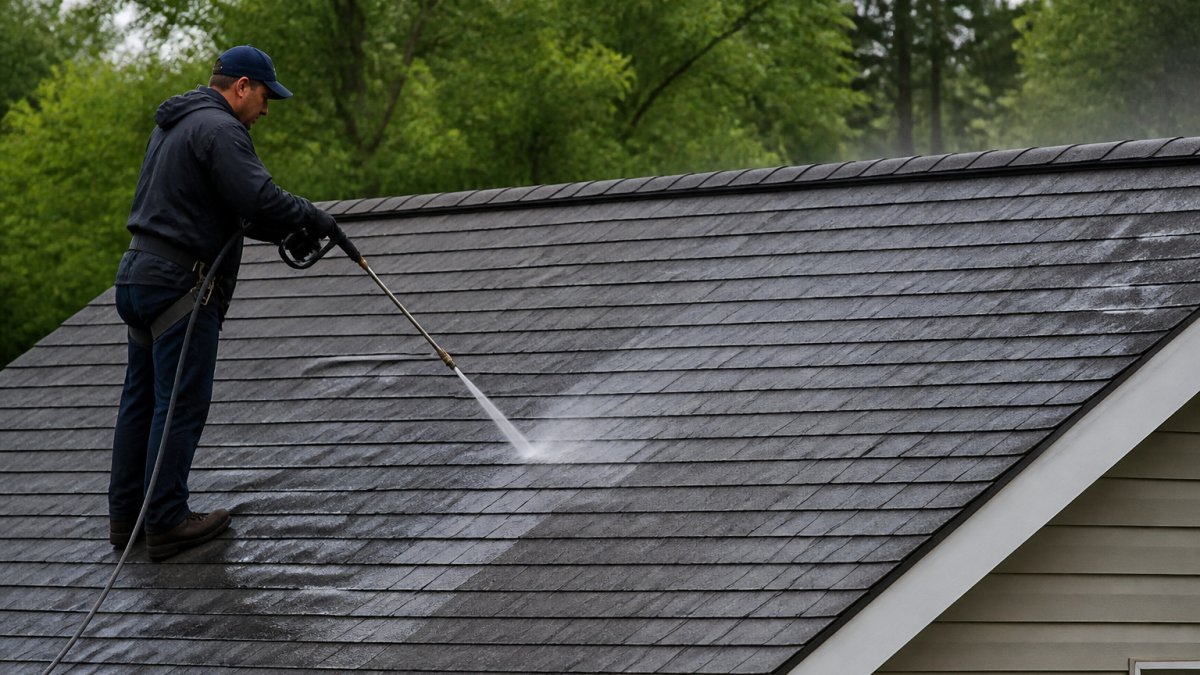
- Pressure washing or power washing that damages the shingle surface
- Cleaning with unapproved chemicals that break down asphalt
- Walking on the roof without proper care, cracking shingles
- Poor attic ventilation that traps heat and moisture
- Unapproved repairs done by someone other than a qualified roofer
- Skipping required maintenance listed in the warranty terms
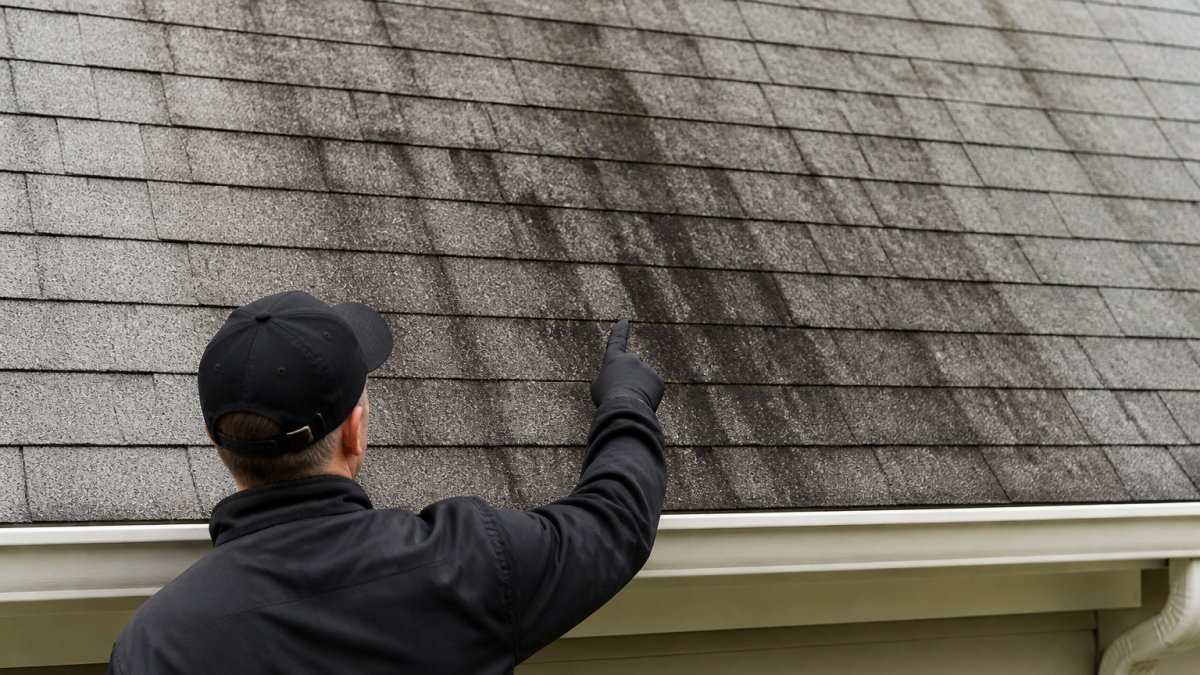
- Moss and algae left unchecked until growth lifts shingle edges
Notice that numbers 1 and 7 pull against each other. You must clean the roof, but you must clean it the right way.
Warranty Types and Who Administers Them
Three warranties usually cover a roof, and each has its own administrator, terms, and claim process. Understanding the difference is the single most useful step before any cleaning decision.
Manufacturer material warranty. This comes from the shingle or roofing-material maker and covers defects in the product itself.
Installer workmanship warranty. This comes from the roofing contractor who installed the roof and covers installation errors such as improper nailing, poor flashing detail, or inadequate ventilation.
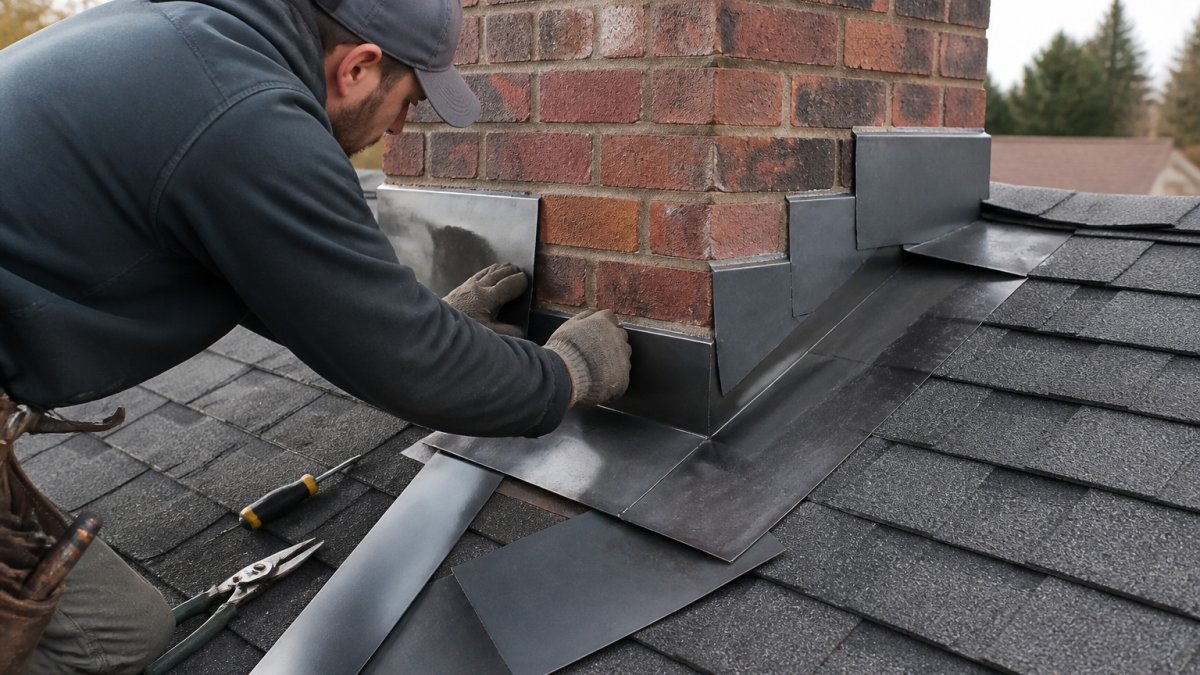
Material or component warranty. A separate warranty may cover specific components such as underlayment, flashing, or ventilation products.
This matters because a pressure washing mistake usually lands on the manufacturer warranty, not the installer.
Read every document before anyone touches your roof. The Federal Trade Commission's guidance on written warranties explains how warranty terms must be disclosed, which helps you know what you are actually owed.
Roof-Material-Specific Warranty Guidance
Warranty cleaning rules are not uniform across roof types. Treating every roof the same is one of the fastest ways to void coverage.
- Asphalt shingles. Most manufacturers prohibit high-pressure washing and specify low-pressure or soft-wash cleaning with approved solutions. Granule loss is the primary denial trigger. Follow the specific product warranty, because terms differ between three-tab and architectural shingle lines.
- Clay and concrete tile. Tile is more pressure-tolerant than shingle, but the warranty often still restricts pressure near seals, flashings, and walkways. High pressure can force water under tiles and damage the underlayment, which may be covered by a separate component warranty.
- Metal roofing. Manufacturer warranties commonly prohibit abrasive or high-pressure cleaning that scratches the finish or coating. Scratches can void a finish warranty even when the structural warranty survives.
- Wood shakes and shingles. These are highly pressure-sensitive and many warranties require gentle cleaning or approved chemical treatment. High pressure can fuzz the wood grain and open checks.
- Flat and low-slope membranes. Cleaning rules vary by membrane type, and pressure near seams or drains can compromise the warranty on the membrane itself.
A common pattern is that the roof surface warranty and the component warranties have different cleaning rules. Check each one that applies to your roof.
What to Do After a Roof Has Already Been Pressure Washed
If the cleaning already happened, do not assume coverage is lost. Document the work, inspect for damage, and contact the manufacturer or installer with records in hand. Many claims are decided on evidence, and a calm, documented response preserves more options than panic.
- Photograph granule loss, bare patches, and loose shingles
- Save the cleaning receipt and contractor details
- Check gutters for collected granules
- Request a professional inspection in writing
- Contact the manufacturer's warranty department and ask what documentation they require
A pressure-washed roof is not automatically a lost cause, but it needs eyes on it. If you need help after a mistake, contact us for an inspection and repair guidance.
Here are the main ways homeowners lose roof warranty coverage.
| Cause of voided coverage | Why it matters |
|---|---|
| Pressure washing or power washing | Damages the shingle surface |
| Unapproved cleaning chemicals | Break down asphalt |
| Walking on the roof without care | Cracks shingles |
| Poor attic ventilation | Traps heat and moisture |
| Unapproved repairs | Done by someone other than a qualified roofer |
| Skipping required maintenance | Listed in the warranty terms |
| Moss and algae left unchecked | Growth lifts shingle edges |
How High Pressure Damages Shingles and Roof Components
High pressure damages shingles by blasting away the mineral granules that protect the asphalt layer underneath. Once those granules are gone, the shingle dries out, cracks, and fails years ahead of schedule.
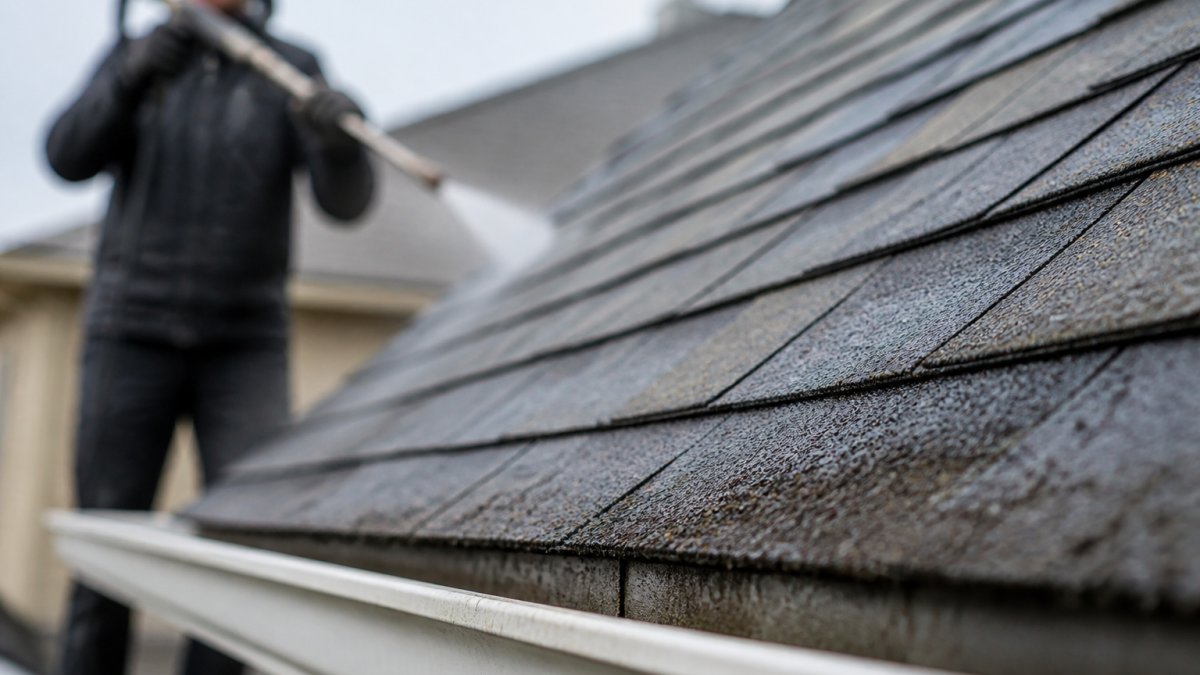
The damage goes deeper than the surface:
- Granule loss leaves the asphalt exposed to UV rays
- Loose shingles lift at the edges where water forced underneath
- Broken seals open the adhesive strip that holds each course down
- Water intrusion follows, reaching decking and attic space
- Premature wear shortens roof lifespan by years
The Asphalt Roofing Manufacturers Association notes that shingle performance depends on the granule layer staying intact. Pressure washing removes it by design.
If moss is your concern, read our guide on whether roof moss is damaging shingles before you decide on any cleaning method.
Safe Roof Cleaning Methods That Protect Coverage
Safe roof cleaning methods rely on low pressure, approved cleaning solutions, and careful technique. Soft washing, gentle rinsing, and manual moss removal all protect both the shingles and your warranty coverage.
The safest options, ranked:
- Soft washing with low pressure and a cleaning solution
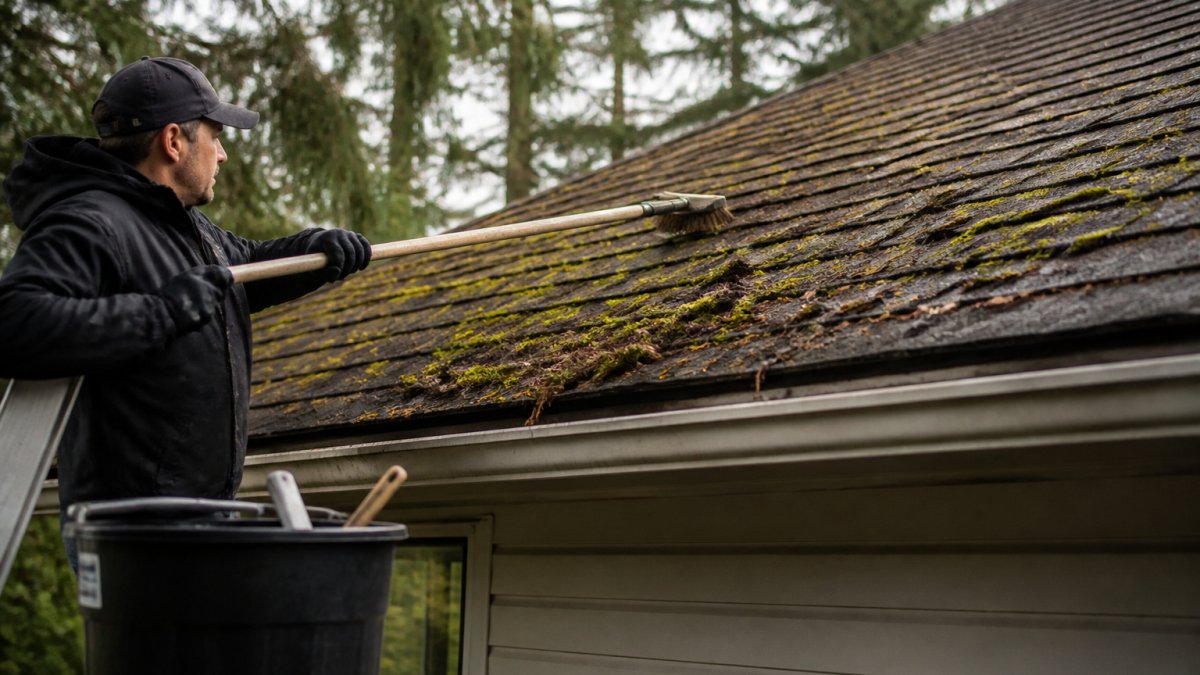
- Manual moss removal with a soft brush or scraper
- Chemical treatment using manufacturer-approved products
- Gentle garden-hose rinsing for light debris only
For homeowners who want the job done without risk, we offer professional roof cleaning built around warranty-safe methods. We also provide moss treatment that cleans the roof without high pressure.
Soft Wash Roof Cleaning: How Low Pressure Works
Soft wash roof cleaning uses low-pressure water mixed with a cleaning solution to kill organic growth at the root. The solution does the work, not the force, so shingles keep their granules and their warranty stays intact.
Here is how the process runs:
- We inspect the roof and note existing damage
- We apply a cleaning solution to moss, algae, and lichen
- The growth dies and releases from the surface
- We rinse gently with low pressure
- We check the roof again after the growth is gone
The Environmental Protection Agency's guidance on safe cleaning products is a useful reference when choosing a cleaning solution for your home.
The real difference between soft washing and pressure washing comes down to pressure. One cleans. The other removes material, and that material is your roof.
Roof Cleaning Cost: What Drives the Price
Roof cleaning cost depends on roof size, pitch, moss severity, and the cleaning method used. Pricing also varies with access, roof height, and whether treatment or repairs are needed.
Expect these factors to move the number:
- Roof size and pitch, since steep roofs take more time and safety gear
- Moss and algae severity, because heavy growth needs stronger treatment
- Roof material, as some surfaces need gentler handling
- Access and height, which affect setup and labor
- Follow-up care, such as a maintenance plan
We keep pricing transparent with no hidden fees. Check our current rates before you book.
Warranty-First Checklist Before You Clean Your Roof
Run this checklist before any cleaning job, whether you hire someone or do it yourself:
- Find your manufacturer warranty and read the cleaning section
- Confirm the approved cleaning method in writing
- Check whether the warranty requires professional service
- Photograph the roof before cleaning starts
- Ask the contractor which method they will use
- Get the method and any chemical names in the quote
- Confirm the contractor carries insurance
- Keep all receipts and records for any future claim
If you have warranty questions, our frequently asked questions page covers the ones homeowners ask us most.
How to Verify a Contractor's Cleaning Method
Ask directly: soft wash or pressure wash? A qualified roofer will answer without hesitation. Then ask for the pressure setting and the cleaning solution name. If the answer is vague, walk away.
Watch out: some crews say "soft wash" but bring a pressure washer anyway. Ask to see the equipment before work begins.
Already Pressure Washed Your Roof? What to Do Next
If your roof has already been pressure washed, act quickly. Document the damage, check for loose or cracked shingles, and call a professional for an inspection. Early action can limit further damage and support a warranty claim.
Do these steps now:
- Photograph any granule loss or bare patches
- Look for granules collecting in gutters and downspouts
- Check the attic for new leaks or moisture
- Save your cleaning receipt and any contractor details
- Schedule a professional roof inspection
A pressure-washed roof is not automatically a lost cause, but it needs eyes on it. If you need help after a mistake, contact us for an inspection and repair guidance.
Pressure washing a roof is one of the fastest ways to trade a small moss problem for a large repair bill. We built Sound Roof Care around the opposite approach: honest pricing with no hidden fees, certified technicians, and cleaning methods designed for the wet, moss-prone Pacific Northwest climate.
Frequently Asked Questions
What voids a roof warranty?
Most manufacturer warranties exclude damage from high-pressure water, improper cleaning chemicals, foot traffic in the wrong areas, and work done by unapproved contractors. Neglecting required maintenance can also void coverage. Before any cleaning, read the warranty terms and confirm which cleaning methods the manufacturer approves. If you pressure wash a roof against those instructions, expect a warranty claim to be denied.
Can pressure washing damage roof shingles?
Yes. High-pressure water can strip the protective granules from asphalt shingles, crack or lift shingle tabs, and force water under the roof surface. That leads to granule loss, premature wear, and possible leaks. Once granules are gone, the shingle cannot be repaired, only replaced. This damage is exactly what manufacturers cite when denying a warranty claim.
What is the safest way to remove moss from a roof?
Soft wash roof cleaning is the safest method for most roofing materials. It uses low pressure and a cleaning solution that kills moss, algae, and lichen at the root, then rinses away residue without disturbing shingles. Avoid scrubbing, harsh blasts, and metal tools. A professional roof cleaner can confirm which method your manufacturer approves before work begins.
How can I check whether roof cleaning affects my warranty?
Find your warranty document and look for exclusions around pressure washing, chemical treatments, and contractor qualifications. Call the manufacturer or the company that administers the warranty and ask which cleaning methods are approved for your roof material. Get the answer in writing. Then ask any contractor to confirm their method in writing before they start.