 how-to
Is Roof Moss Damaging Shingles? A Homeowner's Guide
Table of Contents
- How Roof Moss Damages Shingles and Your Home
- How to Remove Moss From Roof Without Damaging Shingles
- Best Time of Year to Remove Moss From Roof
- Why Roof Conditions Encourage Moss Growth
- How to Prevent Moss on Roof Long-Term
- Roof Moss Removal Cost and When to Call a Professional
- Frequently Asked Questions
Last Updated: October 12, 2026
How Roof Moss Damages Shingles and Your Home
Roof moss damaging shingles is more than a cosmetic problem. Left unchecked, it traps moisture against shingles and causes real structural damage.
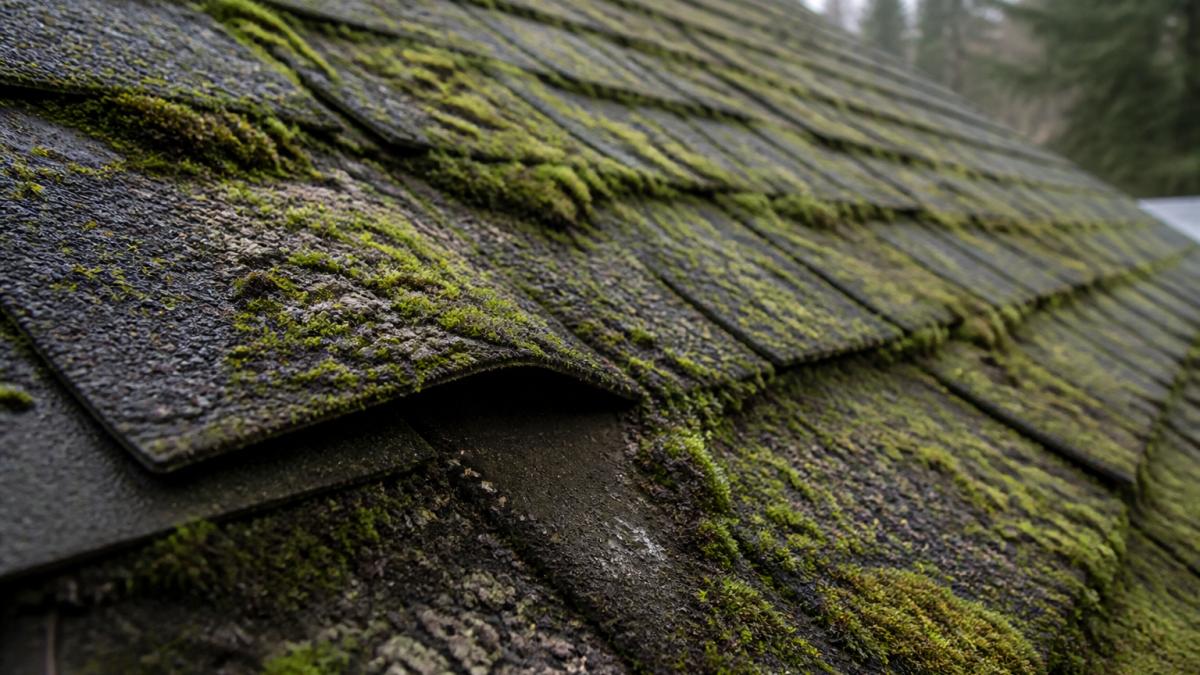
Moss absorbs water and spreads across shingles as a sponge-like layer that holds moisture against the roof. This dampness breaks down protective granules and lifts shingle edges, letting water seep underneath.
The real danger is what happens underneath. Water trapped between moss and shingles penetrates your roof deck, attic, and interior, creating conditions for wood rot, mold, and structural compromise.
Moss vs. Algae vs. Lichen: What's Growing on Your Roof
Before treating your roof, know what's growing on it. Moss, algae, and lichen often grow together but behave differently and need different approaches.
Moss is a primitive plant that spreads through spores and grips surfaces with tiny root-like structures. It thrives in shade and moisture, making the Pacific Northwest ideal for it.
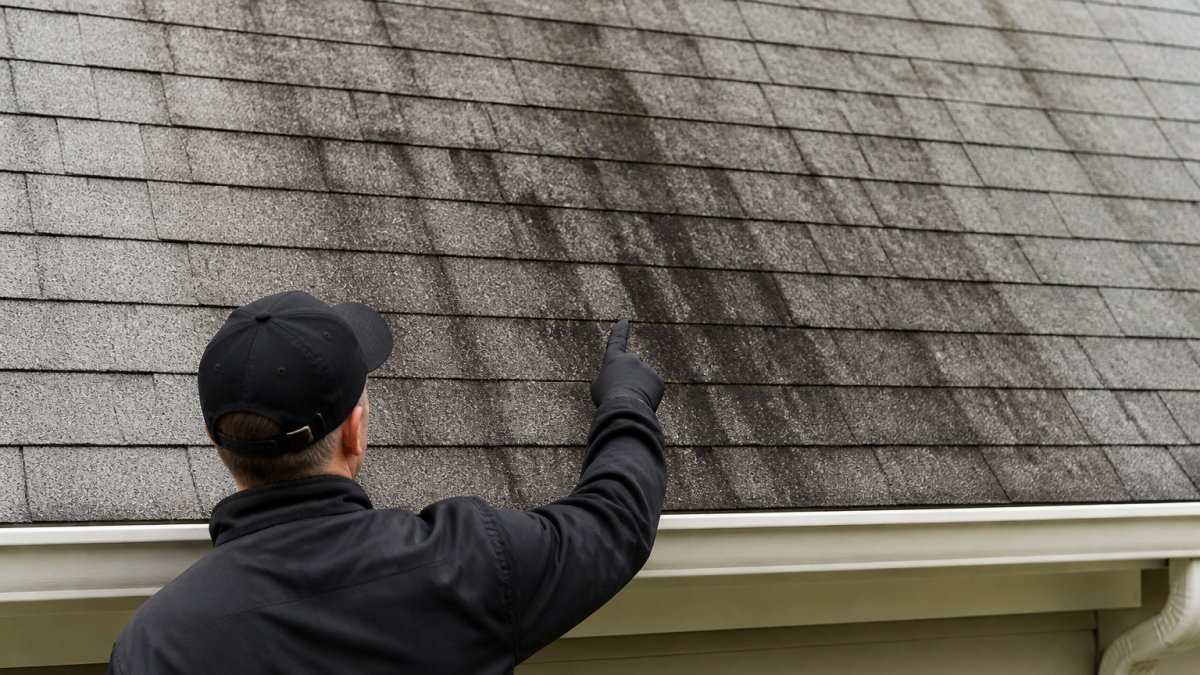
Algae appears as dark staining. It doesn't penetrate shingles like moss, but it signals your roof stays damp, encouraging moss growth. It's often the first sign your drainage or ventilation needs attention.
Lichen looks like crusty patches and is fungus and algae living together.
Treatment varies: moss requires removal and prevention, algae indicates a drainage problem, and lichen often signals deeper moisture issues in your attic or roof structure.
Cosmetic Growth vs. Active Shingle Damage
Most homeowners assume all moss growth means their roof is failing. Not always true. The key is distinguishing cosmetic coverage from active damage.
Cosmetic moss growth sits on top of shingles without lifting edges or penetrating the surface. Shingles lie flat, granules are intact, and water isn't seeping underneath. It's unsightly and will eventually cause problems, but hasn't damaged your roof yet, so catching it now means prevention rather than repair.
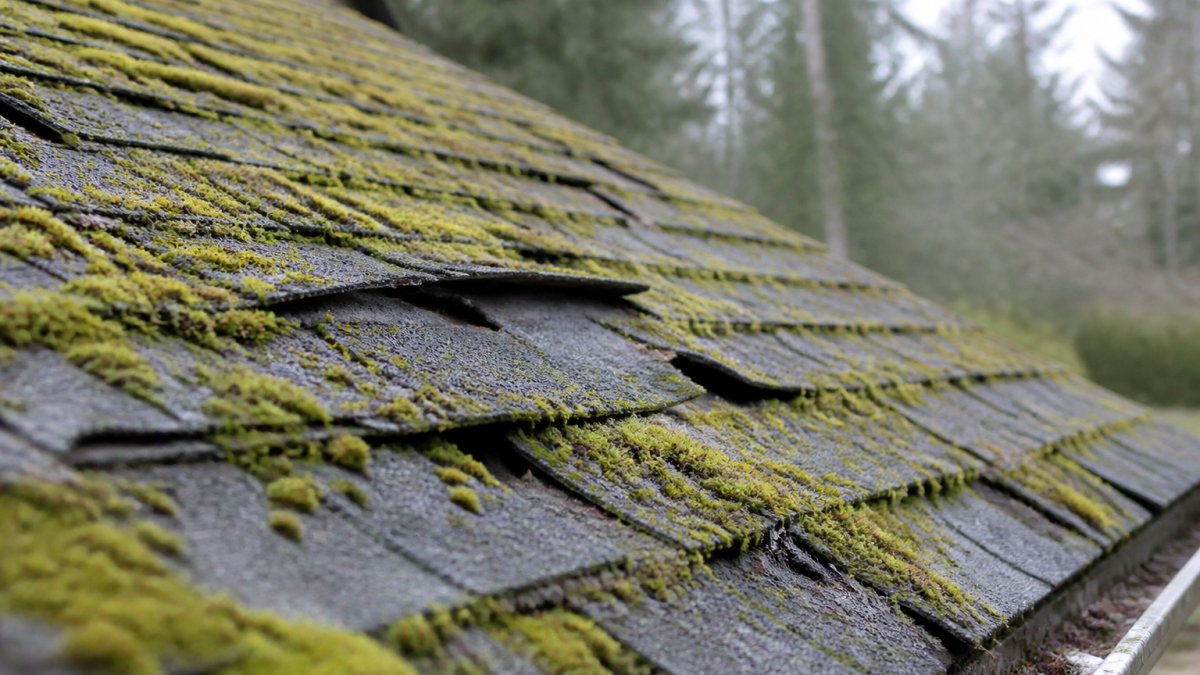
Active shingle damage happens when moss lifts shingle edges, granules are missing or eroded, and water flows underneath. You'll see lifted corners, dark staining, or soft spots in the roof deck. At this point moss removal alone won't fix it, you'll need shingle repair or replacement.
Early-stage moss means prevention and safe removal; advanced roof moss damaging shingles means professional inspection and likely repair work.
How to Remove Moss From Roof Without Damaging Shingles
Removing moss safely means understanding what damages shingles during the process. High-pressure washing strips granules, cracks shingles, and creates new leak points. The goal is removing moss while preserving your roof's integrity.
Safe Cleaning Methods by Roof Type
Different roof materials need different approaches. Asphalt shingles dominate residential roofing, but wood shakes, composition shingles, and metal roofs each have vulnerabilities.
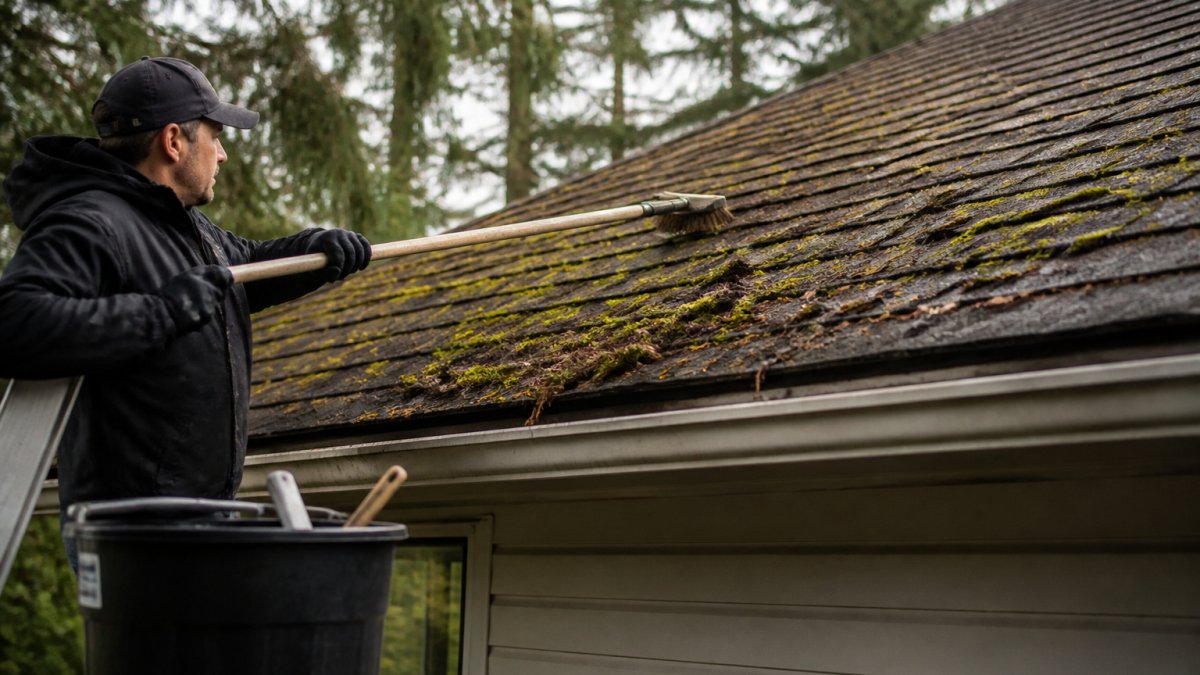
For asphalt and composition shingles, the safest method is soft-wash cleaning: low-pressure water plus biodegradable moss-killing solutions.
Pressure washing asphalt shingles is risky. High pressure (above 1,500 PSI) forces water under shingles, strips granules, and can crack or split them (Algae Discoloration of Roofs).
For wood shakes and shingles, avoid pressure washing entirely. Wood absorbs water easily and high pressure splits shakes and accelerates rot.
For metal roofing, soft washing works well since metal won't absorb water. Avoid abrasive scraping, which scratches protective coatings and causes rust.
Chemical treatments vary in safety. Zinc and copper sulfate solutions are effective but stain gutters and harm plants below.
Common Mistakes That Accelerate Shingle Damage
Most DIY moss removal fails because homeowners use methods that damage shingles faster than moss does.
Pressure washing is the biggest culprit. High-pressure water forces moisture under shingles, strips granules, and creates micro-cracks that become entry points for water infiltration.
Aggressive scraping with metal tools or stiff brushes gouges shingles and removes protective granules.
Over-applying chemicals doesn't kill moss faster, it just increases runoff that damages landscaping and contaminates soil. Follow recommended dilution ratios and application rates.
Treating in direct sun causes uneven drying, reduces chemical effectiveness, and accelerates granule loss on asphalt shingles. Wait for cooler, overcast conditions.
Ignoring drainage means moss returns quickly. If gutters are clogged or downspouts drain toward the house, treating moss is temporary. Fix the underlying moisture issue or you'll be cleaning moss every year.
Best Time of Year to Remove Moss From Roof
Timing matters for safety and effectiveness. The best time to remove moss from your roof is late spring or early fall, May through June or September through October.
Spring treatment catches moss before it spreads during summer's warm, wet weather, meaning less moss to remove and less time for damage to develop.
Fall treatment (September through October) removes accumulated moss before winter, when moisture and cold create ideal conditions for moss to thrive.
Avoid winter treatment. Cold slows chemical effectiveness, wet conditions make roof work dangerous, and rain washes treatments away before they work. It isn't worth the safety risk.
Summer treatment is possible but less ideal. Heat accelerates granule loss on asphalt shingles and reduces chemical effectiveness. If you must treat in summer, do it early morning or late afternoon.
Why Roof Conditions Encourage Moss Growth
Moss doesn't grow randomly. Specific roof conditions create an environment where it thrives. Understanding them helps you prevent regrowth and address root causes.
Shade, Moisture, and Roof Drainage
Moss needs three things: shade, moisture, and organic material. Remove any one, and moss struggles to grow.
Shade is the primary driver. Moss grows on roof sections with limited direct sunlight, typically north-facing sides or areas shaded by trees.
Trimming overhanging tree branches is the most effective long-term fix. Removing even 20-30% of overhead branches increases sunlight and reduces moisture retention, often preventing regrowth for years.
Moisture is the second requirement. In the Pacific Northwest, drainage is critical.
Check gutters and downspouts. Clogged gutters hold water against your roof, creating perfect moss conditions.
Roof ventilation matters too. Proper attic ventilation removes moisture that would otherwise condense on your roof deck.
Roof slope and surface texture affect drainage. Gentle slopes (under 6:12 pitch) drain slowly and retain moisture longer. Rough shingle surfaces trap more water than smooth ones.
How to Prevent Moss on Roof Long-Term
Prevention is always cheaper than treatment. Once moss is removed, the goal is keeping it from returning by addressing the conditions that encourage growth.
Start with the basics: clean gutters twice yearly (spring and fall), trim tree branches to increase sunlight, and ensure downspouts drain away from your home. These three steps eliminate the conditions moss needs most.
For shaded roofs where moss returns despite these efforts, consider preventive treatments. Zinc or copper-based products discourage moss growth for 12-18 months by creating an environment where spores can't establish. Reapplication is needed, but it's far easier than removing thick moss.
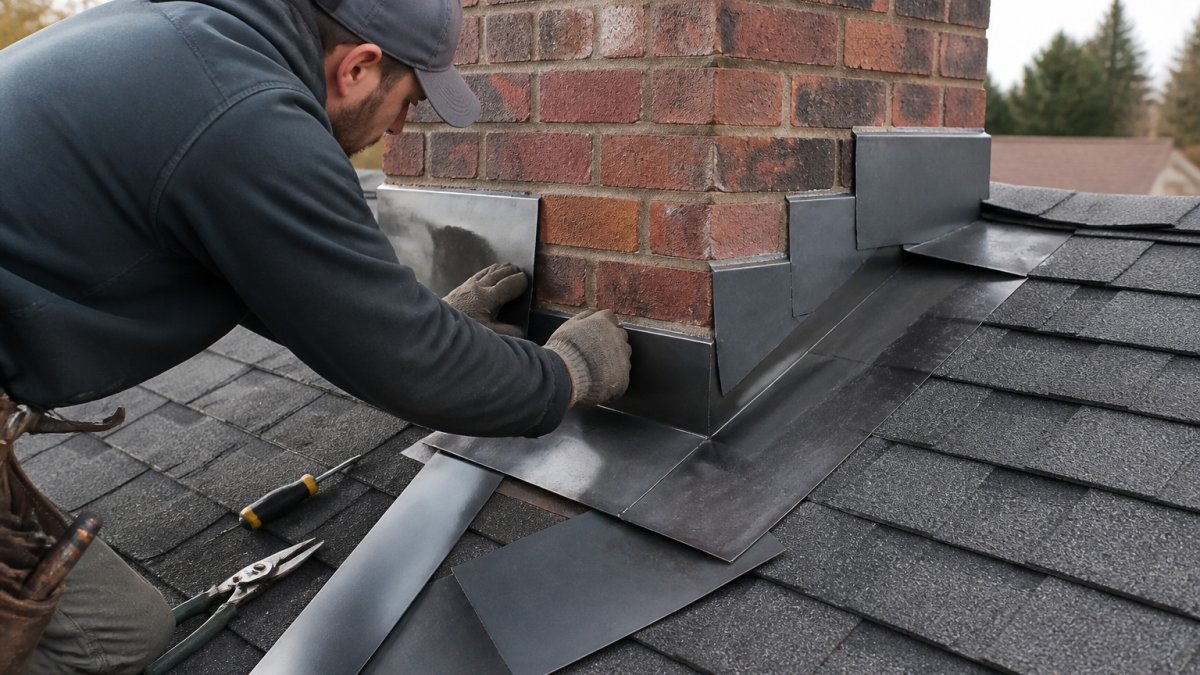
Metal flashing along roof ridges and valleys helps too. Copper and zinc naturally inhibit moss growth; as rain flows over them, it carries inhibiting compounds down your roof, creating a protective barrier. It's a long-term investment but highly effective.
Maintenance Intervals and Realistic Prevention
In the Pacific Northwest, preventing moss entirely is unrealistic. Our climate is too wet and shaded. The goal is managing moss so it doesn't damage your roof.
Inspect your roof annually, ideally in fall. Look for early moss growth on shaded sections. Catching moss when it's thin and flat is much easier to treat than waiting until it's thick and lifting shingles.
Plan professional cleaning every 2-3 years for heavily shaded roofs to prevent moss from reaching damaging stages. Homes with significant tree cover or north-facing exposure need more frequent treatment; sunnier roofs might go 4-5 years between cleanings.
Between professional treatments, monitor gutters and drainage. Clean gutters in spring and fall and trim tree branches annually to maintain sunlight exposure. These tasks are far cheaper than emergency repairs from water damage.
Roof Moss Removal Cost and When to Call a Professional
Moss removal costs vary by roof size, moss thickness, and treatment method. DIY soft-wash costs less but requires equipment rental and carries safety risks. Professional removal ensures proper technique and often includes follow-up prevention.
Sound Roof Care provides transparent quotes based on your specific roof. We assess moss severity, roof condition, and drainage issues to recommend the right approach. For detailed pricing and a customized quote, visit our pricing page or contact us directly.
The real cost consideration: professional removal often costs less than repairing water damage from moss-related leaks. Shingle replacement, roof deck repair, and attic mold remediation are exponentially more expensive than prevention or early treatment.
DIY vs. Professional: A Decision Tree
Deciding whether to treat moss yourself or hire professionals depends on several factors.
Choose DIY if:
- Moss is light and flat (cosmetic stage only)
- Your roof is easily accessible and has safe pitch and height
- You're comfortable working at heights
- You have the right equipment or can rent it safely
- You understand your roof type and its vulnerabilities
Choose professional if:
- Moss is thick or lifting shingles (active damage)
- Your roof is steep, high, or difficult to access safely
- You're unsure about your roof type or condition
- You want a warranty on the work
- You want follow-up prevention and monitoring
Professional treatment includes inspection for hidden damage. We identify lifted shingles, water stains, and drainage problems DIY methods miss, often preventing expensive repairs by catching damage early.
At Sound Roof Care, our certified technicians assess your roof's condition and recommend the safest, most effective treatment. We've served the Puget Sound region since 2009 and understand how our wet climate affects roofs, prioritizing long-term health over quick fixes.
Roof moss is a real problem in our climate, but it's manageable with the right approach. Early detection, safe removal, and proper prevention keep your shingles healthy and your home protected. If you're seeing moss growth, don't wait for it to cause damage.
| Moss Stage | Treatment Method | DIY Feasibility | Prevention Priority |
|---|---|---|---|
| Light, flat coverage | Soft wash or chemical treatment | Possible with care | High, treat now |
| Thick moss, some lifting | Professional soft wash | Not recommended | Critical, hire professional |
| Lifted shingles, water damage | Professional removal + repair | Do not attempt | Emergency, contact immediately |
| Algae or lichen only | Soft wash or gentle scrubbing | Possible | Medium, address drainage |
Frequently Asked Questions
Can roof moss cause leaks and water damage?
Yes. Roof moss lifts shingles and traps moisture underneath, allowing water to seep into the roof deck and attic. This leads to interior water damage, mold growth, and accelerated wood rot. Even light moss growth can compromise roof integrity over time if left untreated. Early removal prevents costly water intrusion damage.
How do you tell if roof moss has actually damaged your shingles?
Inspect for lifted or curled shingle edges, dark staining, granule loss, or soft spots when touched. Light surface moss is cosmetic; active damage shows physical shingle separation, visible gaps, or areas where moss has created pockets holding water. If you see lifted shingles or water staining on interior ceilings, damage is present and requires professional assessment.
What's the safest way to remove moss from roof without damaging shingles?
Use low-pressure rinsing (under 1,500 PSI) or hand scraping with a soft brush for asphalt shingles. Avoid high-pressure washing and abrasive scraping, which strip granules and shorten roof lifespan. For composition shingles, chemical treatments followed by gentle rinsing are safer than mechanical removal. When in doubt, hire a professional familiar with your roof type.
How much does professional roof moss removal typically cost?
Pricing depends on roof size, moss severity, roof type, and your location. Sound Roof Care offers transparent quotes with no hidden fees. Contact us for a free inspection and estimate tailored to your specific roof and local climate conditions. Preventive treatment is more cost-effective than waiting for damage to occur.