 ultimate-guide
Emergency Roof Leak Repair Cost 2026
Table of Contents
- What Drives Emergency Roof Leak Repair Costs
- How to Stop Roof Leak During Rain
- Emergency Roof Tarping Cost and What's Included
- Homeowners Insurance Roof Leak Coverage Explained
- Emergency vs. Standard Repair Pricing
- When Repair Becomes Replacement
- Contractor Vetting and Transparent Pricing
- Frequently Asked Questions
Last Updated: September 25, 2026
What Drives Emergency Roof Leak Repair Costs
Emergency roof leak repair cost depends on several critical factors. Water entering your attic can quickly escalate into structural damage, mold remediation, and roof decking replacement if left unaddressed.
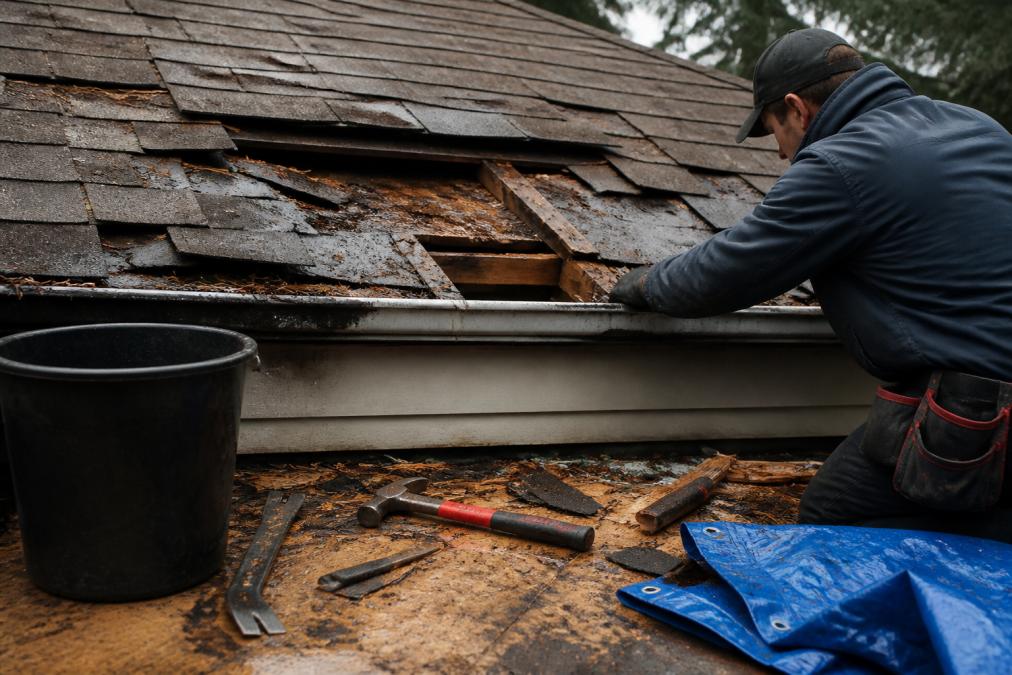
Primary cost drivers include roof pitch (steep roofs require more safety equipment), shingle replacement (varies by material and damage extent), roof flashing repairs (address water intrusion at vulnerable joints), and underlayment replacement when water penetrates protective layers.
Your situation determines whether you need leak detection, emergency tarping, or full replacement. The difference between stopping a leak within 48 hours versus waiting two weeks can mean thousands of dollars in additional mitigation work.
How to Stop Roof Leak During Rain
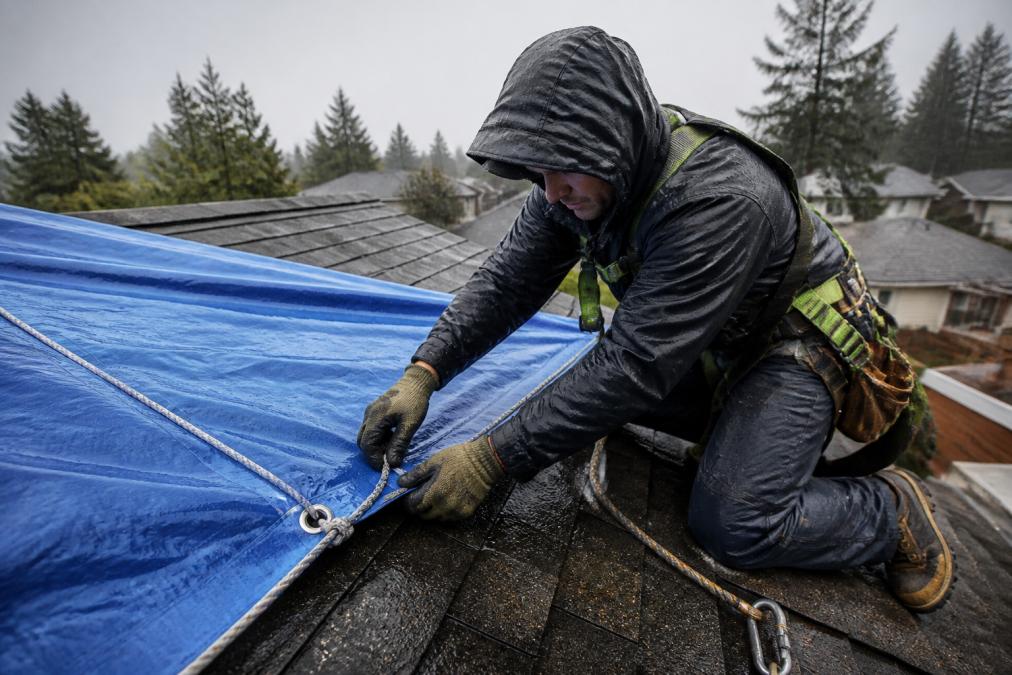
Emergency tarping is a temporary seal that prevents water intrusion until permanent repairs can be made. However, safety comes first: walking on wet shingles during rain creates serious fall risks, and improper tarping can channel more water into your home.
Safety-First Decision Framework
Before attempting any intervention, assess your situation:
- Is the leak actively dripping inside? If yes, focus on interior mitigation. Do not access the roof.
- Can you safely access your attic without climbing onto the roof? If yes, identify the leak source and monitor water accumulation.
- Is rain expected to continue 2-3+ hours? If so, emergency dispatch is justified.
- Do you have ladder, tarps, and rope readily available? If not, call professionals.
- Are you physically able to work at heights safely? If no, wait for professionals.
If you answer "no" to questions 2, 4, or 5, or if the leak is active and heavy, call for emergency dispatch immediately.
Interior Water Damage Mitigation You Can Do Right Now
While waiting for professional tarping, focus on what you can control inside:
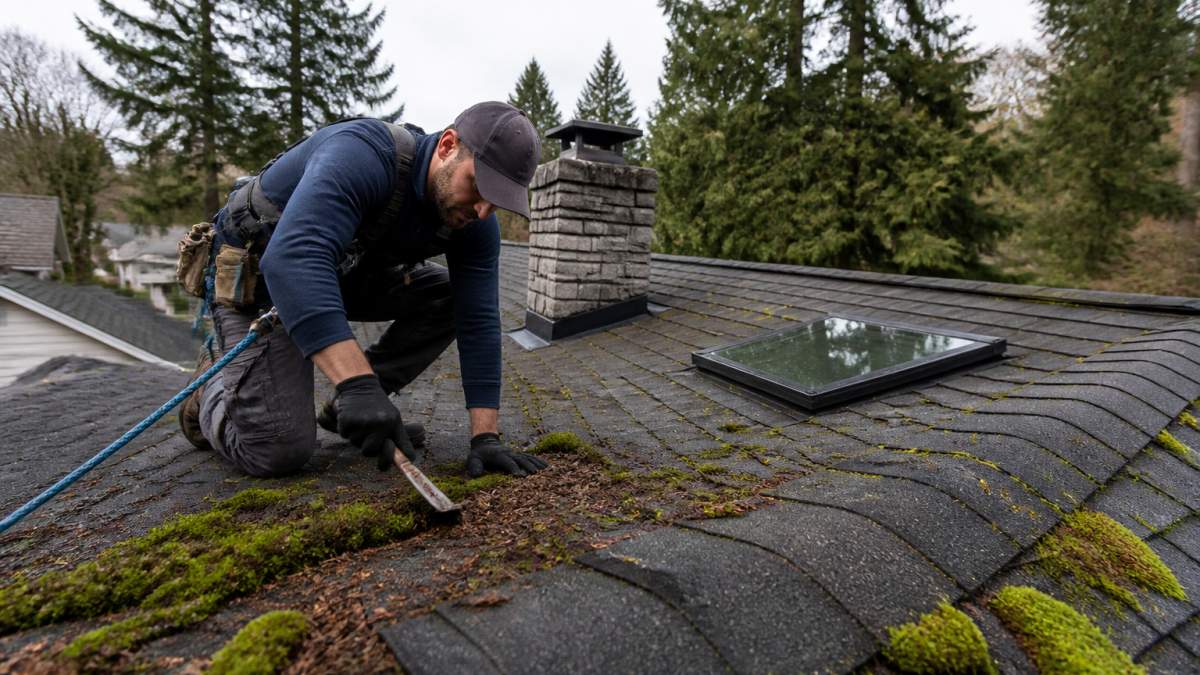
- Locate the leak source in your attic using a flashlight to trace water stains on roof decking, rafters, or underlayment. Mark the location so the technician knows where to look.
- Move furniture and valuables at least 10 feet away from visible water damage.
- Set up water collection using buckets, tarps, or a wet-vac to prevent pooling, which accelerates mold growth.
- Increase attic ventilation by opening attic access doors or windows to allow air circulation.
- Document damage with photos and video (timestamp automatically). This is essential for insurance claims.
- Do not use fans, which spread mold spores. Focus on ventilation and water removal instead.
What Professional Emergency Tarping Involves
A qualified technician will inspect the roof from ground level, use proper safety equipment (harnesses, ropes, non-slip footwear), position the tarp to overlap the damaged area by 4-6 feet in all directions and direct water away from your home, secure it with ropes and fasteners (not nails), and inspect interior areas for water damage.
After-Hours and Weekend Service Fees
Emergency Roof Tarping Cost and What's Included
Emergency tarping service includes the tarp, labor for installation, and emergency dispatch fees. Rapid response is typically within 2-4 hours during business hours. A comprehensive service should include roof inspection to locate the leak source, heavy-duty tarp material (6-mil polyethylene minimum), professional installation with proper anchoring, water damage assessment, and documentation for insurance claims. Clarify with your contractor whether the quote covers only tarping or also includes initial leak detection.
Homeowners Insurance Roof Leak Coverage Explained
Most homeowners insurance policies cover roof leaks caused by sudden, accidental damage (fallen tree branch, storm damage, hail impact). They typically don't cover leaks from lack of maintenance, age-related wear, poor ventilation, or gradual deterioration. Understanding this distinction is critical before filing a claim.
What Insurance Typically Covers vs. Denies
Step-by-Step Insurance Claim Documentation Checklist
Immediate Documentation (within 24 hours):
- Date and time of discovery to establish the timeline.
- Weather event correlation with official National Weather Service records.
- Exterior roof photos showing damaged areas, missing shingles, flashing damage, debris, and overall roof condition.
- Interior water damage photos documenting water stains, wet insulation, damaged drywall, affected property, and visible mold.
- Video walkthrough (2-3 minutes) narrating the damage location and extent.
- Roof age documentation from purchase documents, repair receipts, or building permits.
- Maintenance records including gutter cleaning, inspections, repairs, and previous roof work.
Before the Adjuster Arrives:
- Do not make permanent repairs. Adjusters need to see damage in its original state. Emergency tarping is acceptable, but do not replace shingles, repair flashing, or remove damaged materials.
- Prepare a one-page written summary including discovery date, preceding weather event, damage description, mitigation steps taken, and list of attached documentation.
- Create an organized folder with photos, videos, weather records, roof age documentation, and maintenance records. Label each item clearly.
- Note any previous claims from the past 5 years. Transparency builds credibility.
During the Adjuster's Inspection:
- Be present and take notes. Ask clarifying questions about the adjuster's assessment.
- Request a written explanation including coverage decision, reason, estimated repair cost, and any exclusions.
- Request copies of the adjuster's damage photos for your claim file.
- Clarify deductible, coverage limits, separate roof deductibles, age-based reductions, and maximum payout.
After the Adjuster's Report:
- Review the estimate carefully against independent contractor quotes. If significantly lower, request a second opinion or hire an independent adjuster ($300-$600).
- Dispute if necessary by requesting re-inspection, hiring an independent adjuster, filing a formal appeal, or pursuing appraisal or mediation (check your policy).
- Keep all correspondence from your insurer as evidence for potential disputes.
Insurance Claim Terminology
- Actual Cash Value (ACV): Repair cost minus depreciation based on roof age.
- Replacement Cost Value (RCV): Full repair/replacement cost without depreciation (more favorable but less common).
- Deductible: Amount you pay out of pocket before insurance covers the rest.
- Depreciation: Payout reduction based on roof age and condition (15-year-old roof may be depreciated 30-50%).
- Exclusion: Specific damage types your policy does not cover.
- Appraisal: Formal dispute resolution where each party hires an appraiser; a third party (umpire) makes a binding decision if they disagree.
Deductible and Coverage Limits
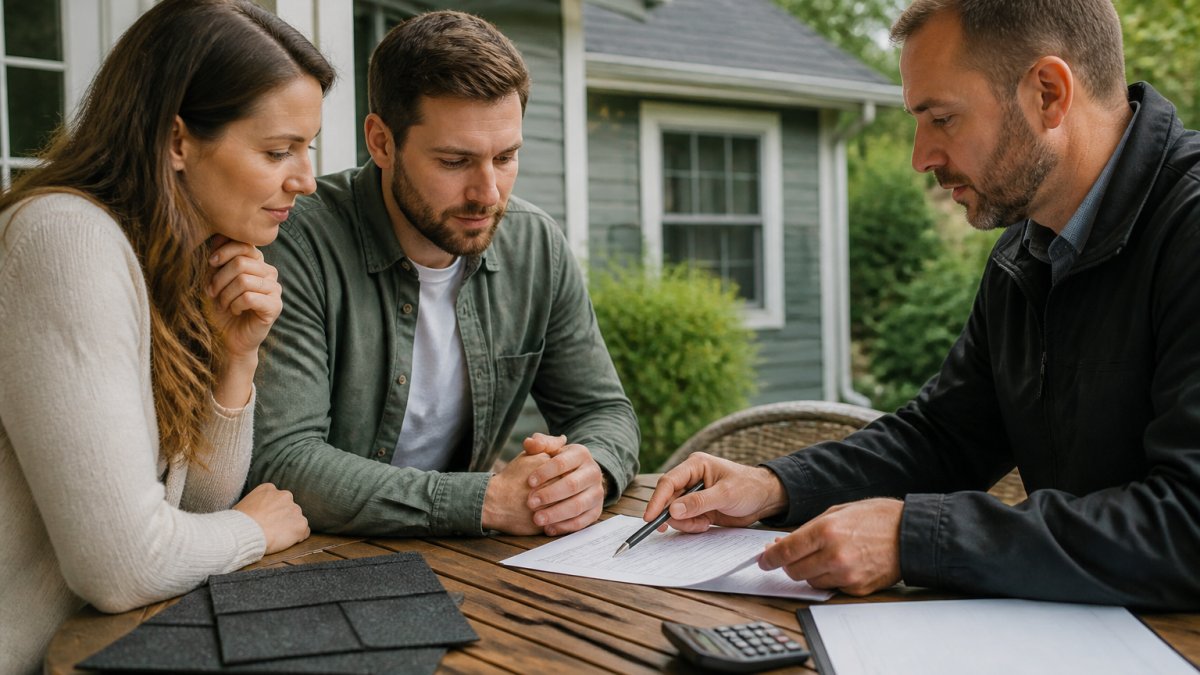
Working with Your Contractor on Insurance Claims
Emergency vs. Standard Repair Pricing
Standard roof leak repair involves scheduling work during business hours with standard labor rates. Emergency roof leak repair cost is higher because it requires rapid response, specialized scheduling, and often work during unfavorable weather conditions. An emergency dispatch at 9 PM on a Saturday requires a technician to abandon other plans and work in darkness with specialized lighting. The math almost always favors emergency intervention: one week of additional water damage can double your total repair costs.
When Repair Becomes Replacement
Not every roof leak requires full replacement, but certain situations make replacement the smarter choice: roof over 20 years old, multiple leaks in different areas, widespread shingle damage, sagging roof deck, failed previous repairs with new leaks nearby, or severe storm damage. A roof in its final years will develop new leaks frequently. Spending $2,000 on repairs this year and another $2,500 next year is financially worse than investing in replacement now.
Contractor Vetting and Transparent Pricing
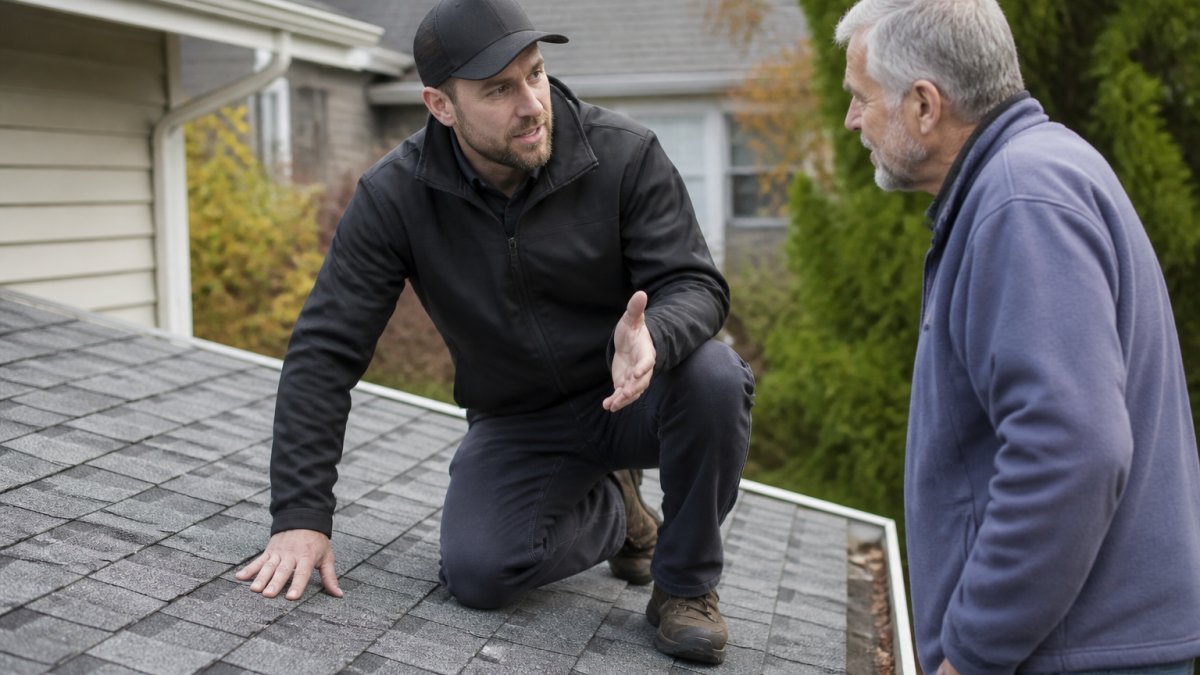
Not all roofing contractors operate with the same standards. A contractor offering pricing significantly below market rates may cut corners on materials, safety, or workmanship. Transparent pricing includes itemized estimates, clear explanations of what's included, no hidden fees, written warranty terms, references, and proof of licensing and insurance. Ask contractors directly: What's included? What if we discover additional damage? How do you handle scope changes?
Frequently Asked Questions
What is the typical range for emergency roof leak repair costs?
Emergency roof leak repair costs depend on damage severity, leak location, and whether temporary tarping or permanent repair is needed. Minor leaks caught early cost less than structural damage requiring extensive water intrusion mitigation. After-hours service fees and weekend emergency dispatch charges add to the total. Contact Sound Roof Care for a free inspection and accurate quote based on your specific situation.
Does homeowners insurance cover emergency roof leak repairs?
Most homeowners insurance policies cover sudden, accidental roof damage like storm damage or fallen tree limbs, but not gradual wear or neglected maintenance. Coverage depends on your policy deductible and whether the damage qualifies as a covered peril. Document the damage with photos for your claim. Contact your insurance agent before hiring a contractor to understand your coverage and deductible obligations.
How much does emergency roof tarping cost?
Emergency tarping typically includes labor for rapid deployment, materials like tarps and fasteners, and after-hours service charges. Pricing varies based on roof pitch, square footage requiring coverage, and accessibility. Temporary tarping prevents water intrusion while you arrange permanent repair but is not a long-term solution. Sound Roof Care offers emergency dispatch services; visit our pricing page or call for current rates.
Can I temporarily stop a roof leak myself during a storm?
Do not attempt emergency roof work during active rain or high winds. Instead, move valuables away from the leak, place buckets to catch water, and contact a professional immediately. If you must act before help arrives, apply roofing cement to visible cracks from inside the attic if safely accessible, but this is temporary only. Professional emergency tarping and leak detection are far safer and more effective than DIY attempts.
Emergency roof leaks demand immediate action, but that urgency shouldn't push you toward poor decisions or inflated pricing. Sound Roof Care provides emergency dispatch, transparent cost estimates, and professional repairs designed to protect your home's structural integrity. When you're facing water intrusion, get in touch today for a rapid assessment and honest guidance on your best options.