 ultimate-guide
Can Roof Maintenance Extend Roof Life? A Complete Guide
Table of Contents
- How Roof Maintenance Extends Your Roof's Lifespan
- Key Maintenance Practices That Protect Your Roof
- How to Prevent Roof Leaks During Winter
- Your Roof Maintenance Checklist for Year-Round Care
- Cost of Roof Replacement vs. Maintenance: Making the Right Choice
- Signs Your Roof Needs Maintenance Rather Than Replacement
- Proactive Care vs. Reactive Repairs: Why Prevention Matters
- Frequently Asked Questions
Last Updated: September 28, 2026
How Roof Maintenance Extends Your Roof's Lifespan
Yes, regular roof maintenance extend roof life by addressing small problems before they become structural failures. The difference between preventative care and reactive repairs is stark.
Your roof faces constant assault from weather, UV damage, thermal cycling, and debris accumulation. A well-maintained roof lasts significantly longer than one left to degrade naturally.
Key Maintenance Practices That Protect Your Roof
Regular roof inspections catch problems at their earliest stages, when solutions are simple and affordable. Most roofing failures develop over months or years through small, preventable damage.
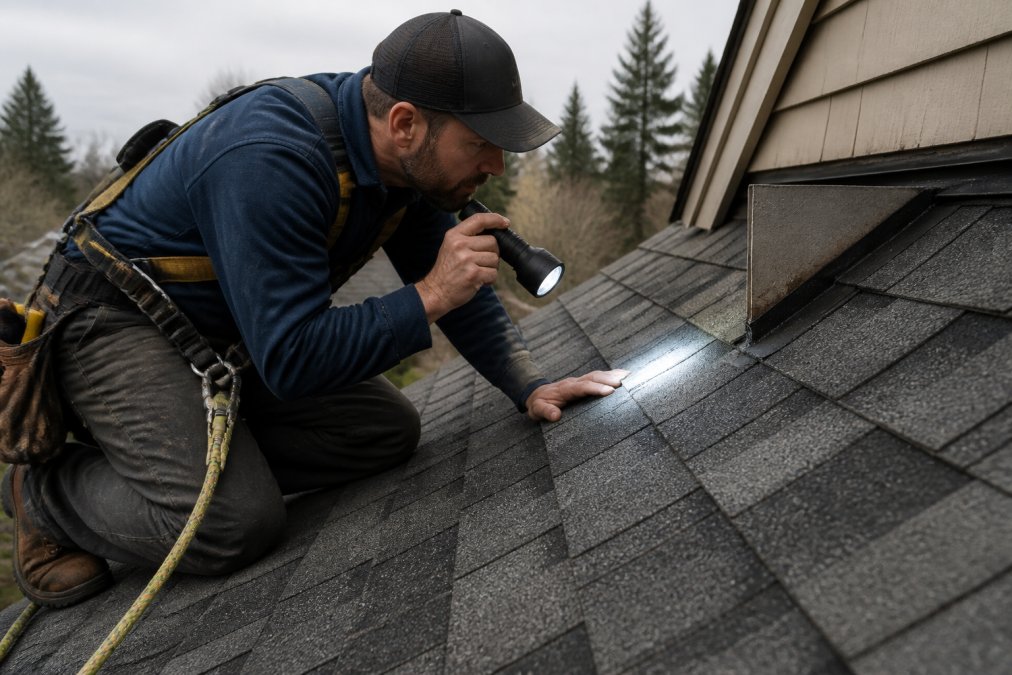
Regular Roof Inspections and Early Problem Detection
Professional inspections identify curling shingles, deteriorating underlayment, compromised flashing, and algae growth before they compromise integrity. Twice-yearly inspections (spring and fall) catch seasonal damage and prevent leaks from developing.
Structural issues like rotting decking or compromised ventilation remain hidden until they cause interior damage. Professional inspectors identify problems you'd miss from ground level.
Gutter Cleaning and Debris Removal
Clogged gutters force water under shingles, causing rot, mold, and premature deterioration. Quarterly gutter cleaning prevents this backup and extends roof life.
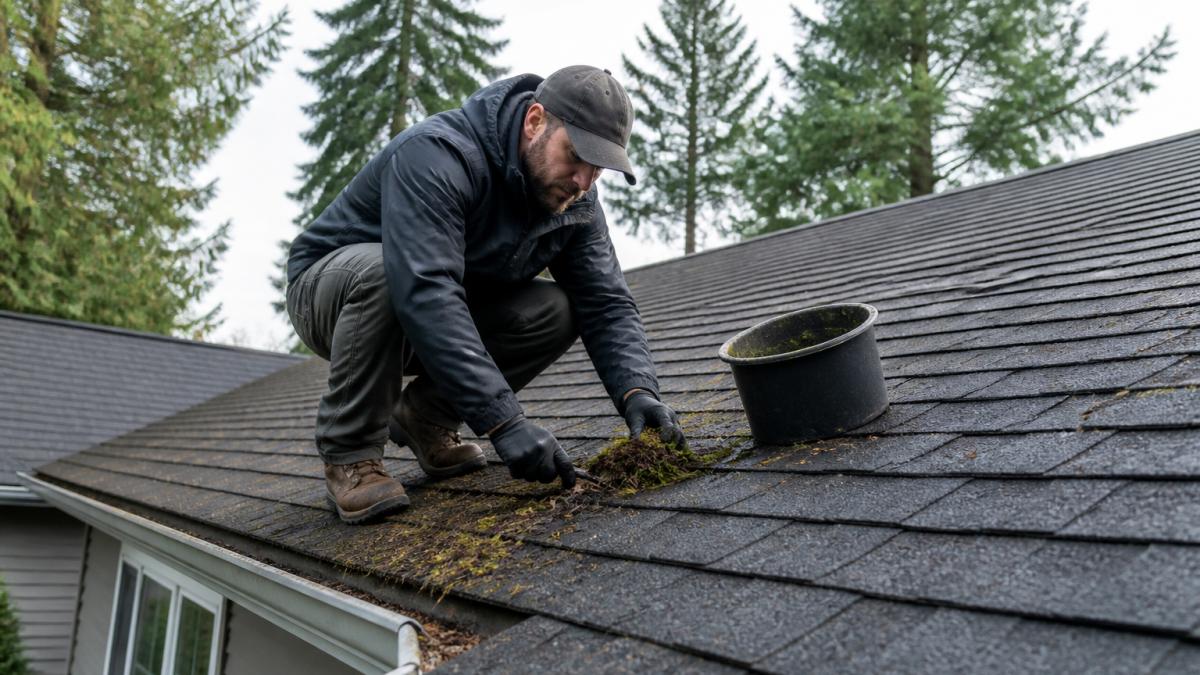
Roof debris traps moisture and accelerates shingle degradation. Regular cleaning prevents moss and algae growth, which are aggressive in wet climates.
Trimming Tree Branches and Preventing Damage
Overhanging branches drop debris, shade the roof (promoting algae and moss), and cause storm damage. Trimming branches back at least six feet eliminates these issues.
Attic Ventilation and Moisture Control
Proper attic ventilation is essential for roof longevity. Without adequate airflow, moisture accumulates, causing rot and mold while accelerating shingle deterioration from below.
Ridge vents paired with soffit vents create continuous airflow that prevents moisture buildup. Adding proper ventilation is one of the highest-ROI maintenance investments.
Roof Coatings and Sealants for Added Protection
Roof coatings protect against UV damage, moisture, and thermal cycling. Sealants on flashing joints and penetrations prevent water intrusion.
Apply coatings in early-to-mid life stages for maximum benefit; waiting until severe deterioration reduces effectiveness.
How to Prevent Roof Leaks During Winter
Winter stresses vary by climate zone. Understanding your zone's specific threats is essential to preventing winter leaks.
Climate Zone Maintenance: Tailoring Your Approach
The Federal Emergency Management Agency (FEMA) and the National Oceanic and Atmospheric Administration (NOAA) divide the country into climate zones with distinct roofing challenges:
Cold Climate Zones (Northern regions, high elevation): Heavy snow load, ice dams, and freeze-thaw cycling are primary threats. Ice dams form when attic heat melts snow at the roof's edge, then refreezes, forcing water under shingles. Freeze-thaw cycling accelerates shingle deterioration.
Maintenance priorities in cold climates:
- Ensure attic insulation meets R-38 to R-60 to minimize heat loss that creates ice dams
- Install proper ventilation (ridge vents with soffit vents) to keep the attic cold
- Clear gutters before winter to prevent ice backup
- Remove snow and ice from gutters within 24 hours of heavy snow
- Inspect flashing around chimneys, vents, and skylights monthly during winter
- Consider heat cables during severe snow events (temporary measure only)
Maintenance priorities in temperate climates:
- Inspect and reseal flashing twice yearly (fall and spring)
- Ensure gutters are clear and downspouts direct water 4-6 feet from the foundation
- Check attic ventilation for adequate airflow
- Trim tree branches back at least 6 feet before winter
- Monitor for algae and moss growth; apply preventative treatments in fall
Maintenance priorities in warm climates:
- Clean roof surfaces and gutters quarterly to remove algae, moss, and debris
- Apply algae-inhibiting treatments (zinc or copper-based) to prevent biological growth
- Ensure attic ventilation is optimized to remove heat and moisture
- Inspect flashing and sealants twice yearly; sealants degrade faster in high heat
- Consider reflective roof coatings to reduce heat and UV damage
Seasonal Maintenance Checklist by Climate Zone
Cold Climate (Heavy Snow/Ice Dams):
- Fall: Clean gutters, inspect attic insulation and ventilation, trim branches, apply sealant to flashing
- Winter: Monitor for ice dams, clear gutters after storms, inspect for water stains in attic, check for icicles indicating heat loss
- Spring: Inspect roof for winter damage, check for leaks, clean gutters again
- Summer: Inspect attic for moisture and mold, check ventilation effectiveness
Temperate Climate (Moderate Freeze-Thaw):
- Fall: Clean gutters, reseal flashing, trim branches, inspect shingles for wind damage
- Winter: Monitor gutters and downspouts, inspect after heavy rain events
- Spring: Inspect roof for winter damage, clean gutters, check flashing
- Summer: Inspect attic for moisture, check ventilation, monitor for algae growth
Warm Climate (High Moisture/UV):
- Spring: Clean roof and gutters, inspect flashing, apply algae treatment
- Summer: Monitor for algae/moss growth, inspect attic for moisture, check sealants
- Fall: Clean gutters, reseal flashing, apply preventative algae treatment
- Winter: Inspect after heavy rain, check for water intrusion
Ice Dams: Root Cause and Prevention
Ice dams form when attic heat melts snow at the roof's edge, creating water that refreezes at the colder overhang. Prevention requires addressing the root cause: attic heat loss.
Flashing and Penetration Protection
Flashing around chimneys, vents, and skylights requires special attention during winter. Ice and snow accumulation stresses these joints. Inspect monthly during winter and reseal compromised sealants immediately. In cold climates, check again in spring and reapply as needed.
Your Roof Maintenance Checklist for Year-Round Care
| Season | Maintenance Task | Frequency | Priority |
|---|---|---|---|
| Spring | Inspect roof for winter damage, clean gutters | Once | High |
| Spring | Trim tree branches back from roof | As needed | Medium |
| Summer | Check attic for moisture and mold | Once | High |
| Summer | Inspect flashing and sealants | Once | Medium |
| Fall | Clean gutters and downspouts | Once | High |
| Fall | Remove debris from roof surface | Once | Medium |
| Winter | Monitor for ice dams and icicles | Monthly | High |
| Winter | Clear snow from gutters after storms | As needed | High |
Cost of Roof Replacement vs. Maintenance: Making the Right Choice
Preventative care costs far less than replacement. Preventative care costs far less than replacement. The decision between maintenance and replacement requires understanding warranty implications and cost-benefit thresholds.
The Warranty Factor: Professional vs. DIY Maintenance
Most manufacturer warranties require maintenance by a certified professional to remain valid. DIY maintenance may void warranty coverage entirely, leaving you responsible for full repair or replacement costs.
The Cost-Benefit Threshold: When Maintenance Stops Making Sense
Use this framework to decide:
Maintain if: Your roof is in years 1-15 of its expected 20-25 year lifespan, shows only early-stage deterioration (minor curling, isolated leaks, light algae growth), and maintenance costs less than 10% of replacement cost annually. At this stage, an annual maintenance investment prevents a replacement for additional years.
Secondary Damage: The Hidden Cost of Neglect
Maintenance prevents secondary damage that makes replacement more expensive. Water intrusion can cause decking rot, rafter damage, attic mold, drywall damage, and interior water damage, costs that can exceed the roof replacement itself.
Signs Your Roof Needs Maintenance Rather Than Replacement
Early-stage curling shingles, minor isolated leaks, small granule loss, and early algae growth respond well to maintenance and indicate your roof still has structural integrity.
Proactive Care vs. Reactive Repairs: Why Prevention Matters
Reactive maintenance, waiting for problems to appear before addressing them, costs significantly more than proactive care. A reactive approach means emergency repairs at premium pricing, secondary damage from leaks, and shortened roof life.
Frequently Asked Questions
Can roof maintenance really extend the life of my roof?
Yes. Regular roof maintenance directly extends your roof's lifespan by addressing small problems before they become major structural issues. Preventative care like gutter cleaning, debris removal, and professional inspections catches damage early, preventing water infiltration and UV degradation. Most homeowners who maintain their roofs proactively can extend their roof's service life compared to those who ignore maintenance until problems appear.
What should I include in my roof maintenance checklist?
A comprehensive roof maintenance checklist includes: quarterly gutter cleaning, trimming overhanging tree branches, annual professional roof inspections, checking for curling shingles or missing granules, clearing moss and algae, inspecting flashing around chimneys and vents, ensuring attic ventilation is unobstructed, and applying roof coatings or sealants as needed. In wet climates like the Pacific Northwest, moss treatment every 1-2 years is essential to prevent moisture buildup and structural damage.
When should I choose roof maintenance over replacement?
Maintain your roof if it has isolated damage (a few missing shingles, minor leaks, or localized deterioration). If your roof shows widespread curling, significant granule loss, multiple leaks, or is past its expected lifespan, replacement becomes more cost-effective than ongoing repairs. A professional inspection can determine whether your roof has enough remaining service life to justify maintenance investments or if replacement is the smarter financial choice.
How often should I have my roof inspected?
Schedule professional roof inspections at least once annually, ideally in spring after winter weather and fall before harsh conditions return. If you've experienced severe storms, visible damage, or have a roof over 15 years old, inspect twice yearly. Regular inspections catch early signs of roof deterioration, moisture buildup, and flashing issues before they require expensive repairs, directly extending your roof's lifespan and protecting your home's structural integrity.