 how-to
Is Roof Replacement Covered by Homeowners Insurance?
Last Updated: October 23, 2026
Quick Summary
Whether is roof replacement covered by homeowners insurance depends on what caused the damage. If a covered peril like storms, hail, wind, or falling objects suddenly damaged your roof, your policy typically covers it. But if wear and tear or lack of maintenance caused the problem, you're paying out of pocket.
- Roofs over 20 years old face serious coverage limits or denial, as insurers see older roofs as maintenance issues.
- Actual Cash Value coverage pays depreciated amounts, while Replacement Cost Value covers full replacement cost with no depreciation.
- Your deductible reduces insurance payouts directly, ranging typically from $500 to $2,500 or a percentage of replacement cost.
- Common denial reasons include roof age, lack of maintenance, pre-existing damage, wear and tear, and policy exclusions.
- Denied claims can be appealed with additional evidence like contractor reports, weather documentation, and independent adjuster assessments.
Table of Contents
- When Homeowners Insurance Covers Roof Replacement
- Roof Age and Its Effect on Coverage
- Actual Cash Value vs. Replacement Cost Roof Coverage
- How Roof Insurance Deductibles Affect Your Claim
- The Roof Replacement Insurance Claim Process
- Insurance Denial for Roof Damage: What to Do
- How to Determine Whether Roof Damage Is Covered
- Frequently Asked Questions
When Homeowners Insurance Covers Roof Replacement
Whether is roof replacement covered by homeowners insurance depends on what caused the damage. If a covered peril damaged your roof suddenly and accidentally, your policy typically covers the cost. But if wear and tear or lack of maintenance caused the problem, you're likely paying out of pocket.
Your policy protects against sudden, unexpected events, not damage that happened gradually over time. Understanding this distinction is critical before you file a claim.
Covered perils that qualify for roof replacement
Most homeowners insurance policies cover roof damage from these specific events: (How Your Roof Influences Your Home and Business Insurance)
- Storm damage, High winds, hail, and heavy rain that cause sudden damage
- Fire, Damage from fire or smoke
- Falling objects, Tree branches, debris, or other items that fall on your roof
- Lightning, Direct strikes or related electrical damage
- Natural disasters, Depending on your policy and location
The key word is "sudden." A single hail storm that punctures multiple shingles is covered. Gradual deterioration from standing water is not.
What does not qualify for coverage
Your homeowners insurance will not cover roof replacement when damage results from:
- Wear and tear, Normal aging of shingles and materials
- Lack of maintenance, Failure to clean gutters, remove moss, or address small leaks
- Poor installation, Defects from the original roof installation
- Manufacturer defects, Problems with the shingle material itself
- Neglect, Ignoring known leaks or damage for extended periods
Insurance protects against accidents, not negligence. If your roof has been leaking for two years and you ignored it, the resulting damage isn't covered.
Roof Age and Its Effect on Coverage
Your roof's age dramatically affects whether your insurance company will approve a replacement claim. Most insurers have strict limits based on how old your roof is.
Typically, roofs over 20 years old face serious coverage limits (How Your Roof Influences Your Home and Business Insurance).
If your roof is 25 years old and a storm damages it, your insurer may deny the claim, arguing the damage was inevitable given the age. You'll be responsible for the full replacement cost.
Some insurers require roof inspections before renewing your policy if your roof is over 15 years old.
Sound Roof Care has helped thousands of homeowners protect their roofs. We can tell you exactly where your roof stands and whether replacement is urgent or if maintenance can extend its life a few more years.
Actual Cash Value vs. Replacement Cost Roof Coverage
Actual Cash Value (ACV) pays what your roof is worth today, minus depreciation.
Replacement Cost Value (RCV) pays what it costs to replace your roof today with new materials. No depreciation. If replacement costs $18,000, RCV covers the full amount.
Most homeowners have ACV coverage because it's cheaper, but the depreciation gap can leave you thousands of dollars short.
Here's a real scenario: Your 15-year-old roof suffers storm damage. Replacement costs $18,000. With ACV coverage, depreciation might reduce your payout to $10,000.
Check your policy now. If you have ACV coverage and your roof is over 10 years old, consider upgrading to RCV, the premium difference is usually small.
How Roof Insurance Deductibles Affect Your Claim
Your deductible is the amount you pay toward any claim before your insurance pays, directly affecting how much of your roof replacement you cover yourself.
Standard homeowners insurance deductibles range from $500 to $2,500, and some policies allow higher deductibles for lower premiums.
Let's say a hail storm damages your roof. Replacement costs $16,000. Your deductible is $1,000. Your insurance pays $15,000. You pay $1,000.
If your deductible is $2,500, you pay $2,500 and insurance pays $13,500.
Some insurers apply a percentage deductible for roof damage instead of a flat amount. You might have a 5% deductible, meaning you pay 5% of the replacement cost.
Review your deductible annually. Raising it could lower your premiums, but only if you can afford the higher out-of-pocket cost if damage occurs.
The Roof Replacement Insurance Claim Process
Following these steps correctly increases your chances of approval and faster payment.
Step-by-step timeline from inspection to payment
Day 1: Report the damage. Call your insurance company immediately after discovering roof damage.
Days 1-3: Document everything. Take photos and videos from multiple angles, including undamaged areas for comparison. Keep receipts for emergency repairs.
Days 3-7: Schedule the adjuster inspection. Your insurer assigns an adjuster to assess the damage.
Days 14-21: Insurance company reviews. The adjuster prepares a report. The insurance company reviews it and your documentation.
Days 21-30: Claim decision. You receive a decision letter. If approved, you get a check. If denied, you receive an explanation.
Days 30+: Repairs and final payment. You hire a contractor and begin repairs.
This timeline assumes straightforward approval. Denials or disputes extend the process significantly.
Documentation and proof of loss
Insurers need evidence that damage was sudden and covered by your policy.
Essential documents:
- Photos of damage taken immediately after the event
- Weather reports or news coverage of the storm
- Contractor estimates for repair or replacement
- Your insurance policy documents
- Proof of maintenance (if applicable)
- Receipts for any emergency repairs
Photos are your strongest evidence. Take them in good lighting with wide shots and close-ups, and photograph the surrounding area to show the event's scope.
If a storm caused the damage, find news reports or weather service records documenting it. Your insurer may already have this information, but providing it strengthens your case.
Get estimates from licensed contractors with good reputations, insurers are more likely to trust established companies than unknown contractors.
Insurance Denial for Roof Damage: What to Do
Not all roof damage claims are approved. Denials happen for specific reasons. Understanding why your claim was denied is the first step toward appealing it.
Common reasons claims are denied or underpaid
Age of the roof. The most common denial reason.
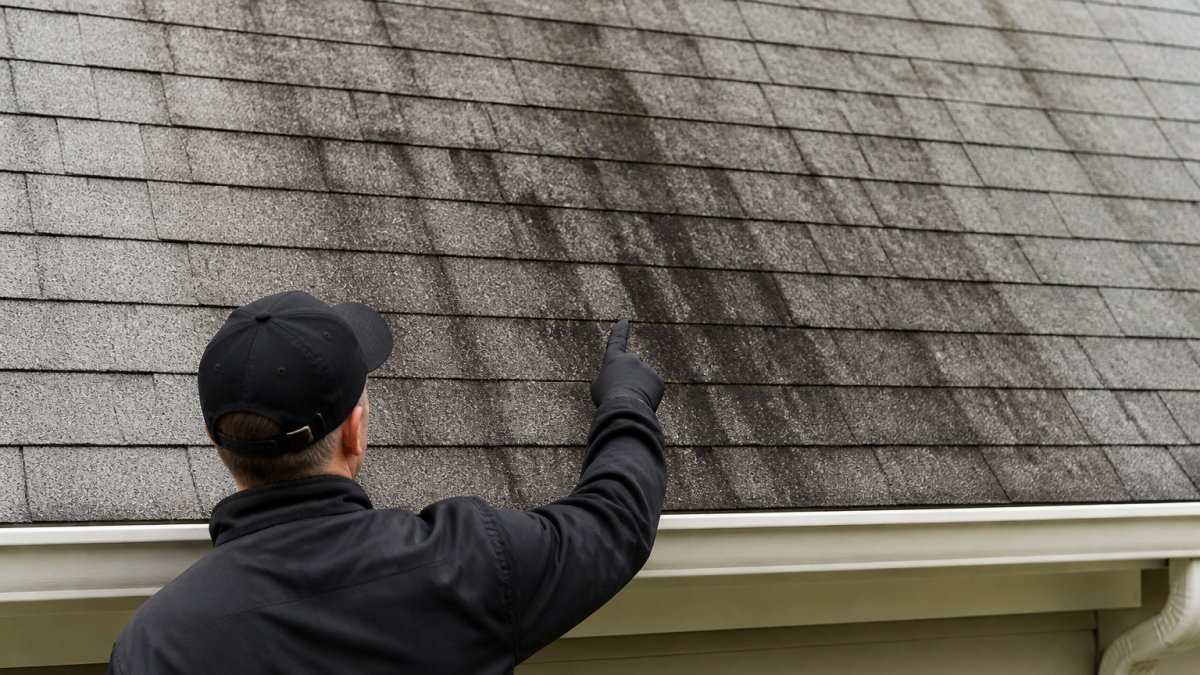
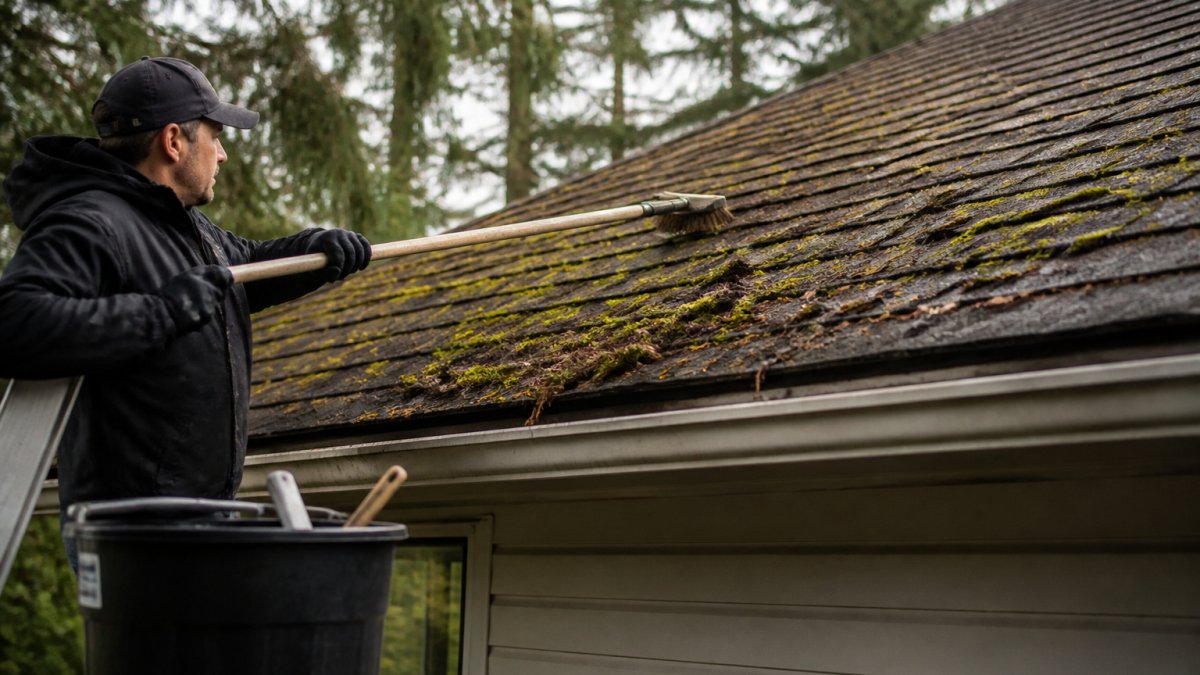
Lack of maintenance. Moss buildup, clogged gutters, or standing water suggest neglect, which insurers treat as negligence, not a covered loss.
Pre-existing damage. If your roof already had damage before the claimed event, the insurer may deny the claim, arguing the new event didn't cause the problem.
Wear and tear. If the adjuster determines damage resulted from normal aging rather than a sudden event, coverage is denied. Distinguishing between the two requires expertise.
Policy exclusions. Some policies exclude specific types of damage. Wind damage might be excluded in certain areas. Hail damage might have limits.
How to appeal a denied claim
If your claim is denied, you can appeal.
Step 1: Request the full adjuster report. Ask your insurance company for the complete report explaining the denial.
Step 2: Gather additional evidence. Collect any documentation the adjuster missed.
Step 4: Submit your appeal. Send a written appeal letter to your insurance company. Reference the denial letter.
Step 5: Request an appeal review. Ask your insurer to have a different person review your appeal.
Step 6: Consider mediation or legal action. If the appeal fails, ask about your state's insurance mediation program.
The appeal process takes time. Expect 30 to 60 days for a response. But persistence often works.
How to Determine Whether Roof Damage Is Covered
Figuring out whether your damage is covered requires distinguishing between sudden damage and gradual deterioration. This is where most homeowners struggle.
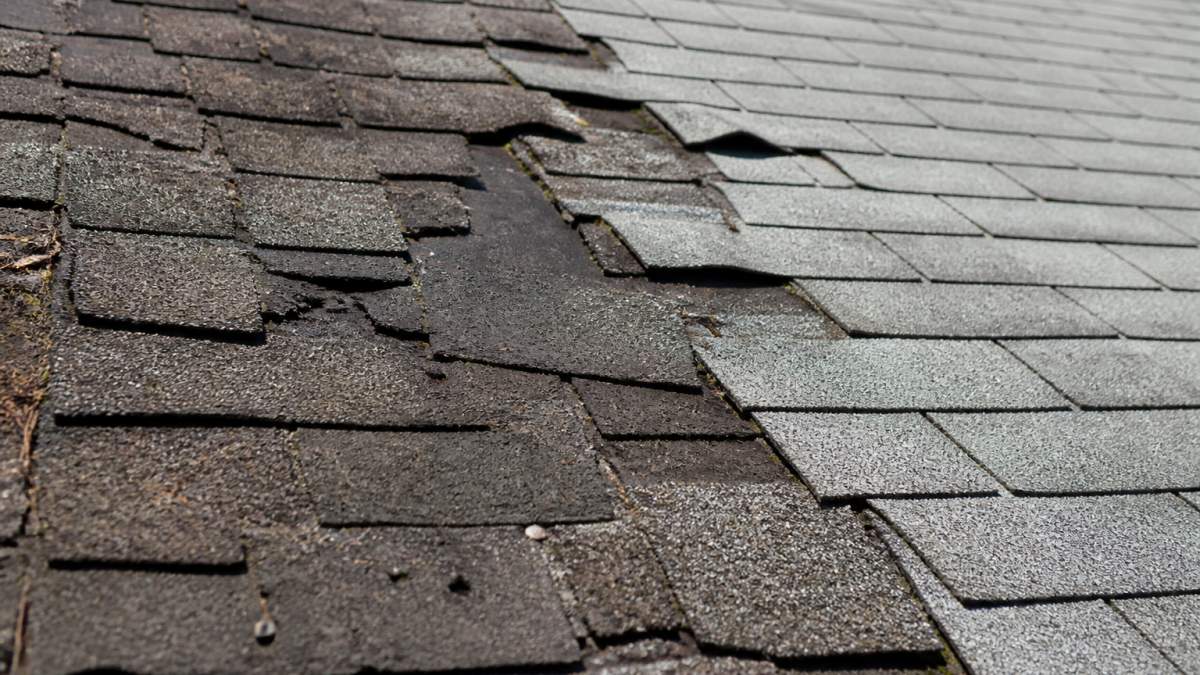
Sudden damage happens in an event. A hail storm strikes. Wind tears shingles off. A tree falls on the roof.
Gradual damage develops over time. Shingles age and crack. Moss grows. Gutters clog. Water pools. These issues develop slowly.
The challenge: Some damage looks sudden but resulted from gradual deterioration.
Look for these signs of sudden damage:
- Damage concentrated in one area or pattern
- Shingles torn, missing, or punctured
- No gradual deterioration visible on nearby shingles
- Damage consistent with the reported event
- No evidence of prior leaks or water damage
Look for these signs of gradual deterioration:
- Damage spread across the entire roof
- Shingles curled, cracked, or disintegrating
- Moss or algae growth
- Sagging or uneven roof surface
- Evidence of prior water damage inside the attic
If you're unsure, hire a professional inspector before filing a claim. An experienced roofer can tell you whether damage was sudden or gradual.
Sound Roof Care can tell you honestly whether your damage is covered. We also provide documentation that strengthens your claim.
Understanding whether is roof replacement covered by homeowners insurance requires knowing your policy, your roof's age, and the cause of the damage. At Sound Roof Care, we help homeowners navigate this process. Get in touch today for a professional roof inspection and honest guidance on your coverage and next steps.
Frequently Asked Questions
Does homeowners insurance cover roof replacement?
Homeowners insurance covers roof replacement only when damage results from a covered peril, such as storms, hail, wind, fire, or falling objects, and is sudden and accidental. Damage from wear and tear, lack of maintenance, or gradual deterioration is not covered. Additionally, your roof's age and the terms of your specific policy affect eligibility. Review your dwelling coverage limits and policy exclusions, or contact your insurer to confirm what your homeowners insurance policy covers.
How does roof age affect homeowners insurance coverage?
Insurance companies often deny or limit coverage for roofs over 20 years old, even if damage is from a covered peril. Some insurers require roof inspection or replacement once a roof reaches 18-25 years old as a condition of continued coverage. Older roofs are seen as higher risk for future claims. If your roof is aging, maintain detailed records of repairs and inspections, and ask your insurer about any age-related limits in your policy.
What is the difference between actual cash value and replacement cost roof coverage?
Actual cash value (ACV) pays the cost to replace your roof minus depreciation based on its age and condition. Replacement cost value (RCV) covers the full cost of a new roof without depreciation deduction. RCV typically costs more in premiums but pays significantly more in a claim. If your policy includes RCV, you receive better reimbursement for roof replacement. Check your homeowners insurance policy documents to confirm whether you have ACV or RCV coverage.
How does a roof deductible affect my insurance claim?
Your deductible is the amount you pay out of pocket before insurance pays. A $1,000 deductible means if your roof replacement costs $15,000, you pay $1,000 and insurance covers $14,000. Higher deductibles lower your monthly premiums but increase your out-of-pocket cost when you file a claim. Some policies have percentage-based deductibles (e.g., 2% of dwelling coverage) for wind or hail damage, which can be significantly higher. Review your policy to understand your deductible structure.
What should I do if my roof damage claim is denied?
If your claim is denied, request a written explanation from your insurer detailing the reason. Common denials cite wear and tear, maintenance issues, or exclusions in your policy. Review your policy terms carefully and gather additional documentation, contractor estimates, photos, inspection reports, or expert assessments distinguishing storm damage from pre-existing deterioration. If you believe the denial is incorrect, file a formal appeal with your insurer or consult your state's insurance commissioner's office for guidance on the appeals process.