 how-to
Avoiding Hidden Costs in Roof Replacement
Table of Contents
- Common Causes of Hidden Roof Replacement Costs
- Why Roof Inspections Matter Before You Budget
- Signs of Roof Decking Damage and What It Costs
- How to Compare Roofing Estimates Like a Pro
- What to Look for in a Roofing Contract
- Building Your Contingency Budget for Unexpected Repairs
- Permits, Codes, and Long-Term Protection
- Frequently Asked Questions
Last Updated: September 23, 2026
When you're planning a roof replacement, understanding the hidden costs roof replacement can entail helps you avoid sticker shock. Hidden costs in roof replacement can add thousands to your project before you realize what's happening. This guide shows you exactly what to watch for so you can budget accurately and avoid costly shocks.
Common Causes of Hidden Roof Replacement Costs
Most homeowners think a roof replacement is straightforward: remove old shingles, install new ones, done. Once roofers strip away your old shingles, they often find structural issues that weren't visible from the ground. Water damage, rotting wood, missing underlayment, or deteriorated flashing can double your project cost in a single afternoon.
Other hidden costs creep in through:
- Roof decking replacement if the base layer is compromised
- Structural repairs for sagging or weakened areas
- Waste disposal fees that contractors sometimes bury in fine print
- Building permits required by local codes
- Ventilation upgrades to meet current code standards
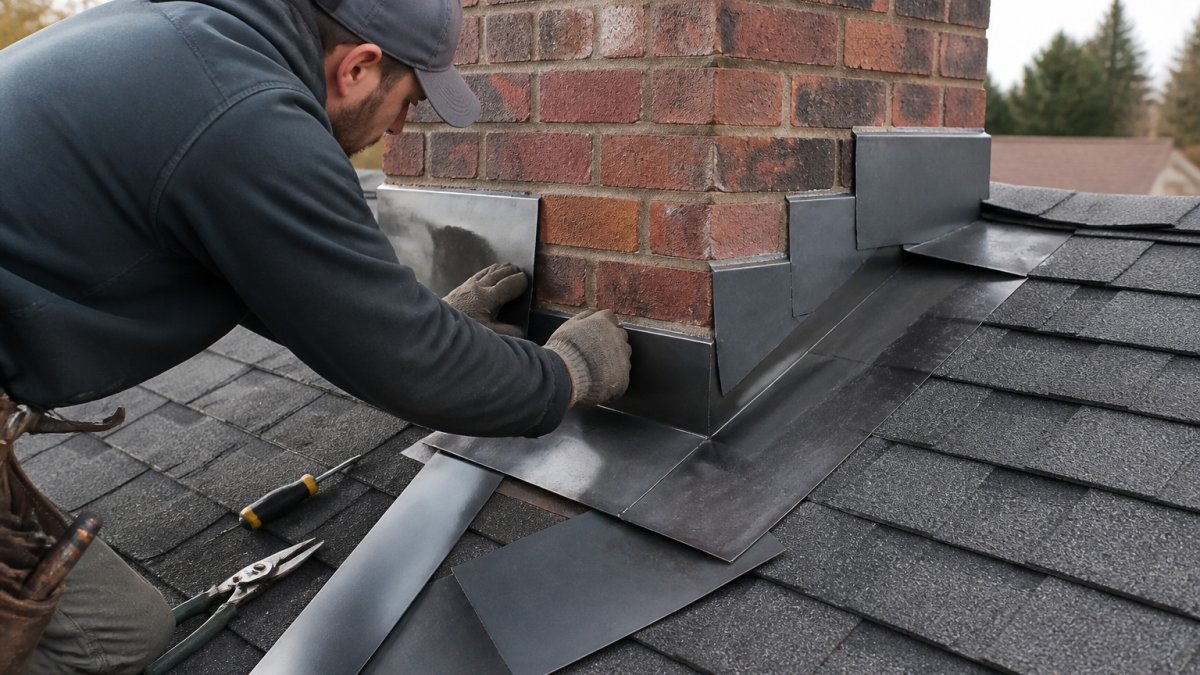
- Flashing replacement around chimneys, vents, and skylights
The key is knowing these exist before you sign a contract. That way, you're not blindsided when your contractor calls with "unexpected" findings.
Why Roof Inspections Matter Before You Budget
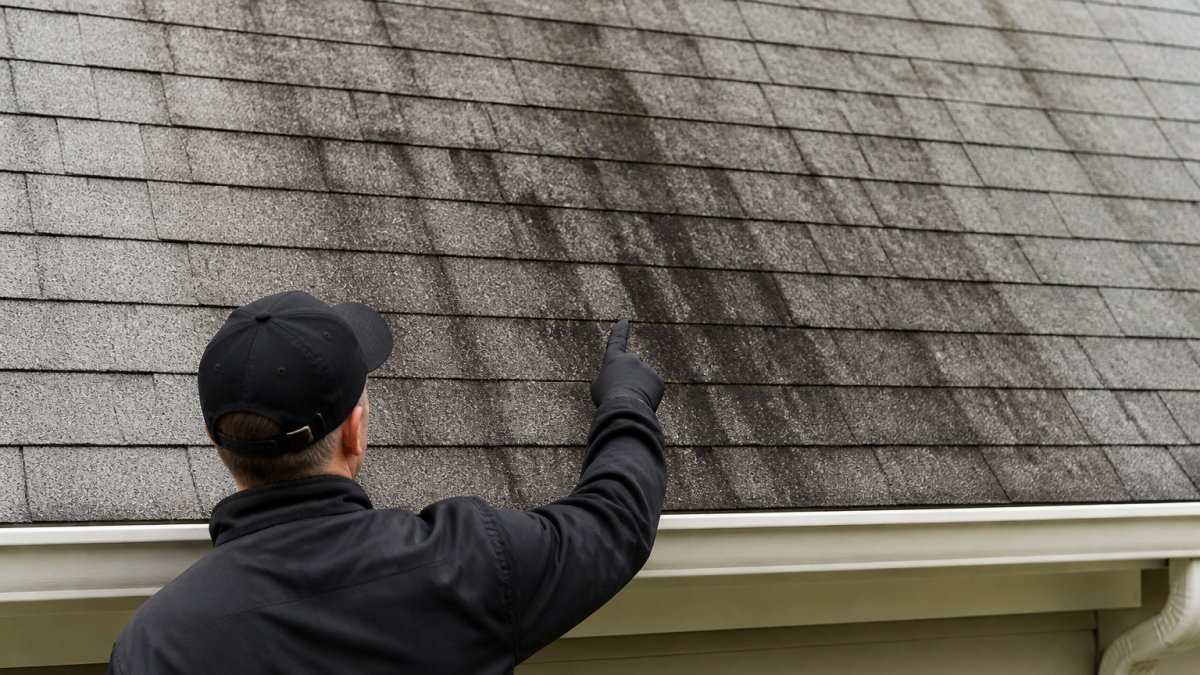
A professional roof inspection reveals what's actually happening up there. Your inspector climbs the roof, checks the attic, examines flashing, and looks for early signs of water damage. They document everything in writing. When you get contractor estimates later, they're quoting based on facts, not guesses.
With inspection data, contractors can't claim they "didn't know" about damage, you get realistic cost estimates instead of lowball quotes followed by change orders, and you understand your roof's actual condition. Many homeowners skip this step to save a few hundred dollars, then encounter hidden costs roof replacement brings when their contractor finds problems mid-project and charges extra to fix them.
Signs of Roof Decking Damage and What It Costs
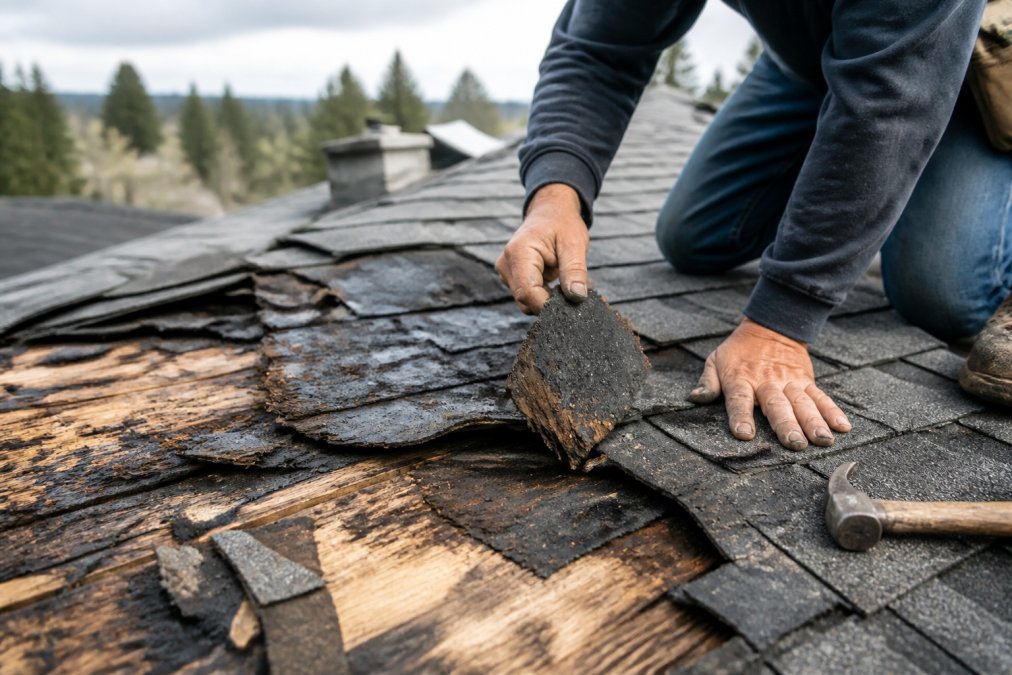
Roof decking is the layer of wood or plywood beneath your shingles. It's your roof's foundation. When it fails, everything fails.
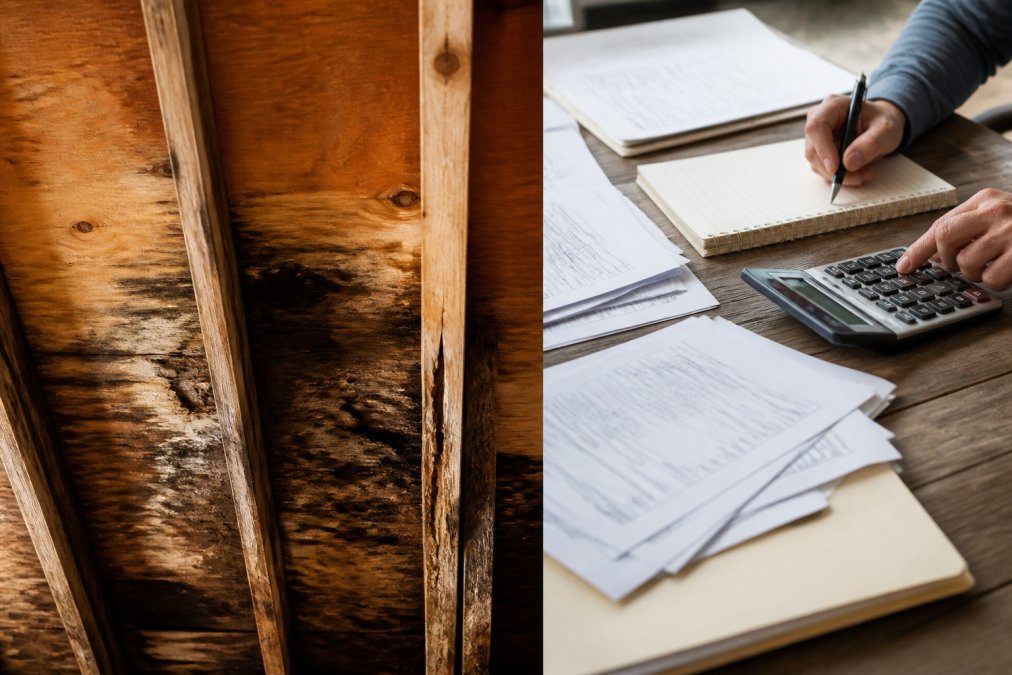
Water damage is the most common culprit. If water gets under your shingles through bad flashing, missing underlayment, or wind damage, it soaks into the decking. Over time, the wood softens, warps, and rots. Signs include soft or spongy spots when you walk on the roof, sagging areas visible from the attic, dark stains on decking boards, and visible mold or mildew. Decking replacement isn't cheap, the contractor must remove shingles, tear out damaged decking, install new plywood, and reshingle. An inspector spots decking damage early so you can factor it into your budget.
How to Compare Roofing Estimates Like a Pro
You've got three estimates sitting in front of you. One is significantly cheaper than the others. Most of the time, it's a red flag. The key is knowing how to read the estimate line by line to spot where corners are being cut versus where you're genuinely getting a better price.
A professional estimate includes materials (shingles, underlayment, flashing, nails, trim), labor (removal, installation, cleanup, disposal), permits, waste disposal, contingency allowance (10-15%), and roof penetration work (vents, skylights, chimneys).
When one estimate is 20-30% lower than others, investigate these red flags: missing permit costs ($500-$1,500), underestimated labor hours (a standard roof requires 2-4 days for a 2,000 sq. ft. home), material grade not specified (ask what shingle grade and warranty), flashing and ventilation downgrades (check if materials and upgrades are specified), and no waste disposal line item ($500-$1,200). Ask each contractor directly about permits, crew size, shingle grade, flashing material, and waste removal.
Compare the same scope across estimates: line up materials side by side (dimensional shingles cost 15-25% more than 3-tab), check labor rates against regional norms ($3-$5 per square foot), verify contingency is a separate line item, ask about change order pricing upfront (labor rate and material markup), and compare warranty terms. A contractor offering a 10-year labor warranty is taking on more risk than one offering 2 years.
Before you decide, verify each estimate includes: shingle brand, grade, and warranty; underlayment type and brand; flashing material; permits; waste disposal cost; labor hours and crew size; contingency as a separate line item; change order process and pricing; labor and material warranties in writing; and ventilation upgrades to meet current code. If an estimate is missing three or more details, ask for clarification before comparing prices.
What to Look for in a Roofing Contract
Your contract is your only protection once work begins. Before you sign, it must spell out: scope of work, materials (brand, grade, color), timeline with weather delay clause, payment terms, change order process, warranty (labor and material), cleanup and site restoration, and insurance and licensing requirements.
Contract language that protects you from hidden costs:
Insist on these specific phrases in your contract:
-
"Contingency allowance of [10-15%] is reserved for unforeseen structural damage. Any contingency funds not used will be credited to the homeowner at project completion." This prevents a contractor from padding the contingency and keeping it as profit.
-
"All change orders must be approved in writing by the homeowner before work begins. Change orders will include itemized labor and material costs and a revised completion date." This stops surprise charges.
-
"Contractor warrants all work will be performed in accordance with [state] building code and local permit requirements. Contractor is responsible for obtaining all required permits." This makes the contractor accountable for code compliance, not you.
-
"Final payment is due upon completion of work and final inspection approval by the homeowner and local building inspector." This gives you leverage to ensure quality before you pay in full.
-
"Contractor will provide proof of workers' compensation insurance and general liability insurance (minimum $1 million) before work begins." This protects you if someone is injured on your property.
What to do before signing:
- Read the entire contract, not just the price line.
- Ask your contractor to explain any clause you don't understand.
- If the contractor resists putting specifics in writing, that's your sign to walk away.
- Have a family member or friend read it, a fresh set of eyes catches things you miss.
- Don't sign under pressure. A reputable contractor will give you time to review.
- Keep a copy for your records.
Building Your Contingency Budget for Unexpected Repairs
Here's the reality: you will find something unexpected.
Even with a thorough inspection, some damage only shows itself once work begins. A roofer removes a section of shingles and finds rotted decking you couldn't see from below. A vent flashing is more corroded than expected. Structural repairs are needed in one corner.
Here's how to build a realistic contingency:
- Get a professional inspection first (reveals most hidden issues)
- Factor 10-15% into your budget
- Keep that money accessible but separate
- Tell your contractor you have a contingency, it encourages honesty about what they find
- Get written approval before any work outside the original scope
Permits, Codes, and Long-Term Protection
Building permits aren't optional paperwork. They're your roof's legal protection.
When you skip permits:
- You void your home's insurance coverage for roof damage
- You create liability if someone is injured on your roof
- You can't sell your home without disclosing unpermitted work
- You miss the final inspection that catches installation mistakes
Frequently Asked Questions
What are the most common hidden costs in a roof replacement estimate?
The biggest surprises come from structural damage discovered during removal: rotted decking, damaged flashing, water-damaged underlayment, and ventilation upgrades required by current building codes. Waste disposal fees, permit costs, and repairs to gutters or fascia also add up fast. A thorough roof inspection before getting quotes helps you anticipate these instead of facing them mid-project.
How do I know if my roof has decking damage before requesting estimates?
Signs of roof decking damage include soft spots when you walk on the roof, visible sagging, water stains or discoloration on your attic ceiling, and musty odors in the attic. If your roof is over 20 years old or has had persistent leaks, decking damage is likely. A professional inspection can confirm the extent and help you budget accurately before work begins.
What should I look for in a roofing contract to avoid surprise charges?
Your contract must itemize labor, materials, permits, disposal, and contingency costs separately. Verify the contractor's liability insurance and warranty terms are in writing. Look for red flags: vague descriptions like 'miscellaneous repairs,' no mention of what happens if hidden damage is found, or pressure to sign before inspection. A transparent contract specifies the scope, timeline, and what triggers additional charges.
How much of my roof replacement budget should I reserve for unexpected expenses?
Reserve 10-20% of your total project cost as a contingency fund for unforeseen structural damage, code upgrades, or material price adjustments. For a $15,000 replacement, that's $1,500-$3,000 set aside. This buffer prevents financial stress if your inspection reveals rotted decking, inadequate ventilation, or water damage that must be addressed before new shingles go on.