 comparison
Eco-Friendly Moss Killer Alternatives for Roofs
Table of Contents
- Why Moss Grows on Roofs and Why Eco-Friendly Solutions Matter
- How to Remove Moss from Roof Safely: Manual and Low-Impact Methods
- Natural Roof Moss Removal: Household and Plant-Based Alternatives
- Eco-Friendly Moss Killer Products: Named Alternatives Compared
- Roof Moss Prevention: Long-Term Strategies to Stop Regrowth
- How Long Does Roof Moss Treatment Last and What to Expect
- Environmental Impact and Runoff Precautions by Treatment Method
- Choosing the Right Method: Roof Material, Safety, and Effectiveness
- Frequently Asked Questions
Last Updated: October 10, 2026
Why Moss Grows on Roofs and Why Eco-Friendly Solutions Matter
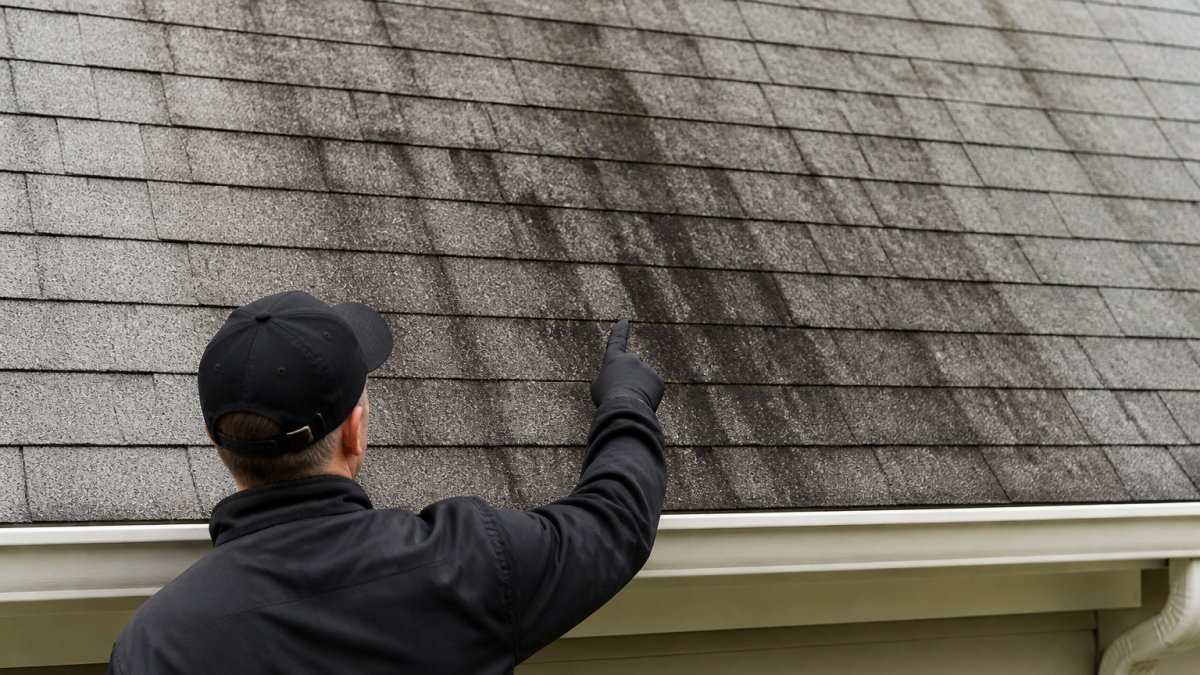
Moss thrives in damp, shaded environments like north-facing roof slopes where moisture lingers. When moss takes hold, it traps water against your roof surface, accelerates shingle deterioration, and can lead to leaks. An eco-friendly moss killer for roofs alternatives matters because chemical treatments can harm nearby plants, contaminate stormwater runoff, and pose risks to your family and pets.
The best approach combines choosing a treatment method that matches your roof material and environmental concerns, and implementing prevention strategies that stop regrowth before it starts.
The difference between a quick fix and a lasting solution comes down to method selection. Some treatments kill moss but leave your roof vulnerable to rapid regrowth within months, while others work slowly but deliver lasting results. Environmental impact varies dramatically too, what's safe for your gutters might harm the soil and plants below your roof line.
How to Remove Moss from Roof Safely: Manual and Low-Impact Methods
Manual removal and low-impact techniques form the foundation of safe moss treatment. They work by physically removing moss or creating conditions where it cannot survive, without introducing chemicals into your environment.
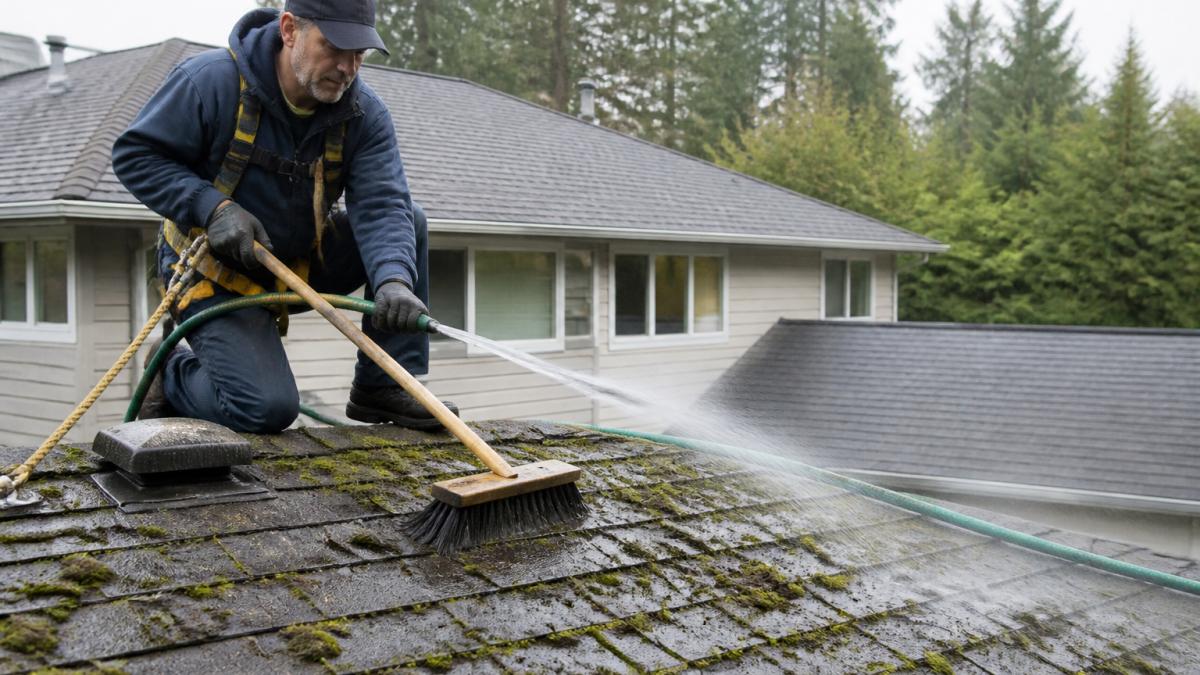
Soft Brush and Garden Hose Removal
A soft-bristled brush and standard garden hose are your safest starting point. Work from the roof peak downward, using gentle pressure and letting water do most of the work. A typical residential roof takes 2-4 hours to clean this way, depending on moss coverage and roof pitch.
This method works on all roof materials and requires no chemicals or special equipment. The main drawback is physical effort and safety precautions when working at height. Many homeowners prefer hiring professionals for this task.
Avoiding Pressure Washers and High-Risk Techniques
Pressure washers are one of the worst options for moss removal. High-pressure water forces moisture deep into shingles, accelerates deterioration, and strips protective granules. Metal roofs are especially vulnerable, pressure washing can dent panels and compromise seams.
The risk isn't worth the speed. A soft brush and patient technique preserve your roof while removing moss effectively.
Natural Roof Moss Removal: Household and Plant-Based Alternatives
Household ingredients and plant-based products offer middle ground between manual removal and commercial chemicals. Results take longer to appear, typically 2-4 weeks, but they work consistently when applied correctly.
Vinegar and Water Solution
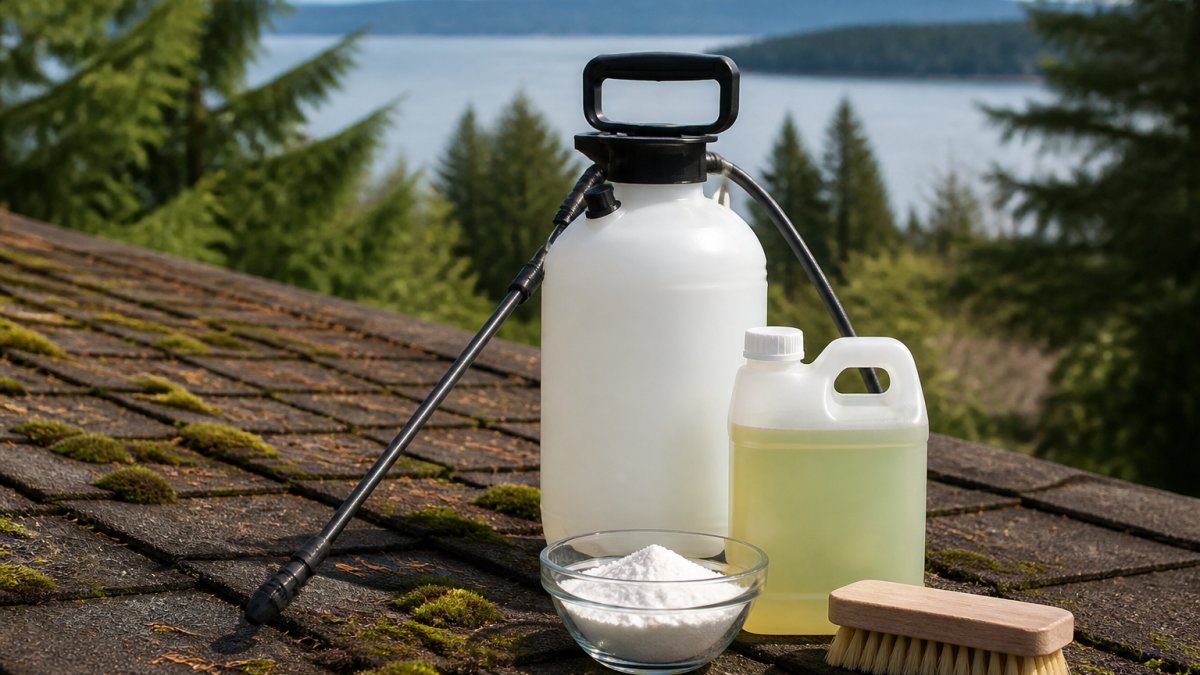
White vinegar mixed with water in equal parts creates an acidic spray that kills moss on contact. Spray onto affected areas, let sit for 15 minutes, then rinse gently with a garden hose.
Vinegar is non-toxic, biodegradable, and won't harm plants or waterways. The downside is that it requires repeat applications every 3-6 months and is less effective on heavy infestations.
Baking Soda and Citrus Oil Options
Baking soda raises pH on the roof surface, creating an environment where moss struggles to grow. Citrus oil (derived from d-limonene in orange peels) actively kills moss. Some homeowners combine these ingredients with water to create a paste that adheres longer than liquid sprays.
Results appear over 3-4 weeks as moss dies. They're safer for roof materials than vinegar alone and pose minimal environmental risk, though they cost more than vinegar.
| Method | Application Time | Regrowth Timeline | Safety Level | Cost |
|---|---|---|---|---|
| Soft brush & hose | 2-4 hours | 6-12 months | Very high | Low (DIY) |
| Vinegar solution | 30 minutes | 3-6 months | Very high | Very low |
| Baking soda & citrus | 30 minutes | 4-8 months | High | Low-moderate |
| Commercial alternatives | 15-30 minutes | 6-12 months | Moderate | Moderate |
Eco-Friendly Moss Killer Products: Named Alternatives Compared
Commercial alternatives bridge the gap between DIY treatments and harsh chemicals, working within weeks while maintaining environmental responsibility.
Wet & Forget Outdoor
Wet & Forget Outdoor is applied once and works over time as rain activates it. Results typically appear within 4-6 weeks, with full moss removal by 8-12 weeks.
It's biodegradable and designed to break down without harming soil or waterways. The main limitation is patience, it performs best on light to moderate moss.
Lilly Miller Moss Out! For Roofs and Structures
Lilly Miller Moss Out! is specifically formulated for roof use and works through active ingredients that target moss. Results appear within 2-3 weeks.
It's less aggressive than broad-spectrum moss killers, making it safer for your roof surface, though it may require repeat applications in heavily shaded areas.
BioAdvanced Moss & Algae Killer & Cleaner
BioAdvanced combines moss and algae control in one product, making it useful for roofs dealing with both problems. Black algae and moss often appear together in damp climates, so a dual-action product can be efficient. Application is simple spray-and-rinse, with visible results in 1-2 weeks.
The product works faster than some alternatives but requires careful application to avoid runoff into landscaping. It's effective on heavy infestations but demands attention to environmental precautions. If your roof has significant moss and algae, this option delivers quicker results than gentler alternatives.
Roof Moss Prevention: Long-Term Strategies to Stop Regrowth
Prevention is where lasting solutions live. Once you've removed moss, the goal is to stop it from returning. Prevention costs far less than repeated treatments and keeps your roof healthier longer.
Gutters, Debris Removal, and Shade Management
Clean gutters are foundational. Debris trapped in gutters creates damp pockets where moss takes root. Clear gutters twice yearly, spring and fall, to prevent moss from establishing. Debris removal from your roof surface serves the same purpose: remove leaves, branches, and organic matter that hold moisture.
Shade management is trickier. If your roof is heavily shaded by trees, consider selective pruning to increase sunlight exposure. More sun means faster drying after rain, which moss hates. This doesn't mean removing every tree, just thinning branches enough to allow air circulation and reduce sustained moisture.
Sound Roof Care includes gutter cleaning and debris removal as part of our maintenance plans. Consistent preventive work stops moss before it becomes a problem.
Zinc and Copper Strips: Environmental Considerations
Zinc and copper strips are installed along roof ridges and release trace metals as rain washes over them. These metals inhibit moss growth without active chemical application. The strips last 10-15 years and require no maintenance.
The environmental concern is valid but manageable. Zinc and copper in stormwater can accumulate in soil and waterways if concentrations are high. However, properly installed strips release minimal amounts, and the metals naturally occur in most soils. If your property drains toward sensitive waterways or you have environmental concerns, discuss placement with Sound Roof Care to minimize runoff impact.
How Long Does Roof Moss Treatment Last and What to Expect
Treatment longevity depends on method, climate, and roof conditions. Understanding realistic timelines helps you plan maintenance and avoid disappointment.
Manual removal and soft-brush cleaning typically prevent moss regrowth for 6-12 months in the Pacific Northwest's wet climate. Shaded roofs or those with heavy debris may see moss return in 4-6 months. Repeat cleaning annually keeps moss under control without harsh interventions.
Household alternatives like vinegar last 3-6 months before regrowth appears. Commercial products like Wet & Forget offer 6-12 months of protection, while Lilly Miller and BioAdvanced typically last 6-9 months. Zinc and copper strips provide 10+ years of consistent, low-level moss inhibition.
The reality is that no single treatment is permanent in a climate like ours. Moss will return, the goal is to manage it with methods that preserve your roof and protect your environment. Sound Roof Care recommends combining initial treatment with prevention strategies and scheduling maintenance every 12-18 months.
Environmental Impact and Runoff Precautions by Treatment Method
Different treatments create different environmental footprints. Understanding these impacts helps you choose responsibly.
Manual removal has zero environmental impact. No chemicals enter soil or waterways. The only concern is water usage, which is minimal and identical to routine watering.
Vinegar and household alternatives are biodegradable and low-toxicity. Vinegar breaks down quickly and poses no persistent risk to waterways. Baking soda and citrus oil similarly degrade without accumulating in soil. These methods are genuinely eco-friendly.
Commercial products vary. Wet & Forget is biodegradable and designed for environmental safety, though some runoff precautions are recommended.
Zinc and copper strips release trace metals. While concentrations are typically low, properties draining toward sensitive ecosystems should consider impact. Installation positioning matters, strips placed away from primary runoff paths reduce environmental burden.
The bottom line: household alternatives and manual removal carry minimal environmental risk. Commercial products require attention to application timing and runoff. None of these methods approach the environmental impact of harsh chemical moss killers that persist in soil and water for years.
Choosing the Right Method: Roof Material, Safety, and Effectiveness
Your roof material, moss severity, and environmental priorities guide method selection.
Asphalt shingles tolerate all methods. Manual removal, vinegar, and commercial products all work without damaging shingles. Avoid pressure washers, which strip protective granules.
Metal roofs require gentleness. Soft brushes, vinegar, and low-pressure commercial products work well. Pressure washers and aggressive scrubbing risk denting panels and compromising seams.
Tile roofs are durable but heavy. Manual removal is labor-intensive due to weight and fragility. Commercial products work effectively.
Wood shake roofs are vulnerable. Avoid pressure washers entirely. Gentle manual removal, vinegar, or low-pressure commercial products are safest.
Light moss (visible but not thick coverage) responds well to household alternatives and Wet & Forget.
Moderate moss (thick patches, visible from the street) benefits from commercial products like Lilly Miller or BioAdvanced.
Heavy moss (covering 30%+ of roof surface) may require professional treatment.
Safety matters. If your roof is steep, wet, or difficult to access, hire professionals. DIY attempts on challenging roofs cause injuries that far outweigh any cost savings.
Choosing an eco-friendly moss killer for roofs alternatives means balancing effectiveness, safety, and environmental responsibility. Sound Roof Care has helped thousands of homeowners protect their roofs through professional cleaning, targeted treatment, and prevention strategies tailored to the Pacific Northwest's unique climate.
Frequently Asked Questions
What are the most eco-friendly alternatives to chemical moss killer for roofs?
Vinegar and water solution, baking soda, and manual removal with a soft brush are the most accessible eco-friendly options. Named products like Wet & Forget Outdoor and Lilly Miller Moss Out! offer gentler chemical alternatives. Manual methods avoid runoff entirely, while natural solutions break down without harming nearby plants, soil, or waterways. The best choice depends on how much moss you have and your roof material.
How long does roof moss treatment last before it comes back?
Most treatments last 6 to 12 months before moss begins returning, though this varies by climate, roof shade, and moisture exposure. In wet, shaded environments, treatments may need reapplication every 6 months. Prevention methods like gutter cleaning, debris removal, and zinc strips extend the time between treatments. Professional maintenance plans can help establish a schedule that keeps moss under control year-round.
Can you safely remove moss from a roof without pressure washing?
Yes. A soft-bristled brush, garden hose, and natural solutions like vinegar are safer than pressure washing, which can damage shingles, strip protective granules, and force water under the roof. Manual removal takes more time but prevents roof damage. For heavy moss, apply a natural or eco-friendly treatment, wait 15 minutes to several hours, then gently brush or rinse. Always prioritize roof integrity over speed.
What roof materials are compatible with eco-friendly moss treatments?
Most eco-friendly methods work on asphalt shingles, tile, and metal roofs. Vinegar and baking soda solutions are safe across all materials. Soft brush removal is universally compatible. However, some commercial products may have restrictions; always check the label. Copper and zinc strips work on most roofs but can stain certain tile colors. When in doubt, test a small area first or consult a professional familiar with your specific roof type.