 how-to
How Often to Treat Roof Moss: A Homeowner's Schedule
Table of Contents
- Understanding Your Roof Moss Treatment Schedule
- Best Time to Remove Moss From Your Roof
- How to Remove Moss From Your Roof Safely
- How Long Does Roof Moss Treatment Last
- Roof Moss Prevention: Stop It Before It Starts
- Treatment Frequency by Climate and Roof Condition
- Conclusion
- Frequently Asked Questions
Last Updated: October 9, 2026
Understanding Your Roof Moss Treatment Schedule
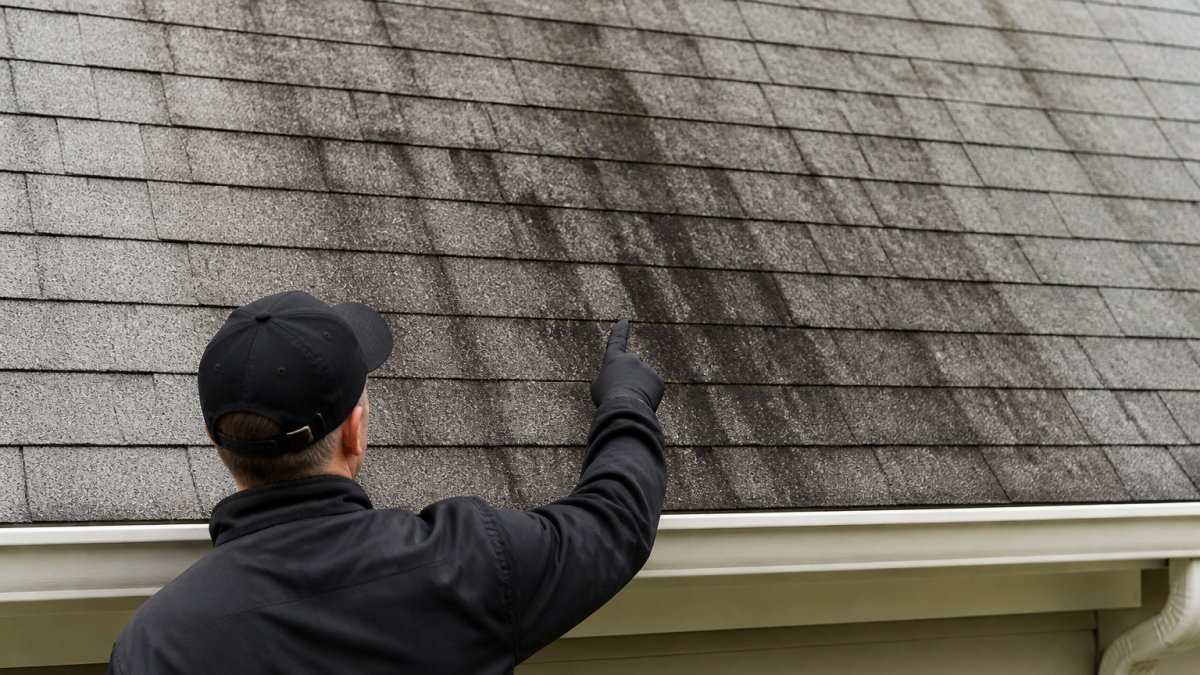
Roof moss is a persistent problem in wet climates. It thrives on damp surfaces and spreads quickly if left untreated. The real question isn't whether you need to treat roof moss, it's how often you actually need to do it.
The answer depends on three main factors: your climate, your roof type, and how much shade your roof gets. A roof in constant shade will need more frequent treatment than one in full sun. Asphalt shingles require different care than metal roofing. And homes in the Pacific Northwest face different challenges than those in drier regions.
At Sound Roof Care, we've helped thousands of homeowners protect their roofs. We've learned that a one-size-fits-all treatment schedule doesn't work. What matters is understanding your specific situation and creating a maintenance plan that actually prevents moss from coming back.
This guide breaks down how often you should treat roof moss based on your conditions, what happens between treatments, and how to know when treatment is working.
Best Time to Remove Moss From Your Roof
The best time to remove moss from your roof is early spring or fall. These seasons offer the right balance of moisture and temperature for effective treatment.
Spring treatment works well because:
- Moss is actively growing after winter moisture
- You catch the problem before summer growth accelerates
- Dry days are becoming more frequent for safe application
Fall treatment is equally effective because:
- Moss has grown all summer and is at peak density
- You prevent winter moisture from making it worse
- Treatment has time to work before heavy rain returns
Avoid treating during heavy rain or extreme heat. Rain dilutes the treatment and reduces effectiveness. Heat can damage shingles and make application unsafe. Also skip treatment during freezing temperatures, the product won't bond properly to wet, cold surfaces.
The worst time to treat roof moss is late summer during heat waves or during the rainy season when moisture is constant. Your treatment will wash away or fail to dry properly.
How to Remove Moss From Your Roof Safely
Safe removal starts with choosing the right method for your roof type. Asphalt shingles need gentler treatment than metal roofs.
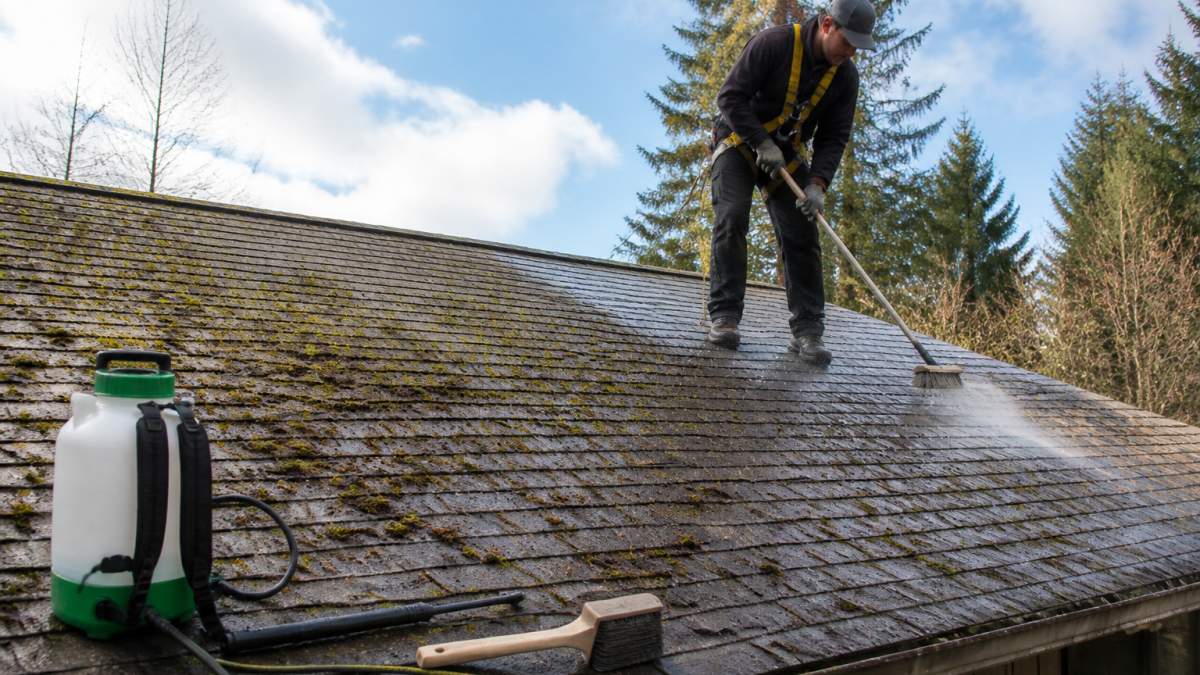
Step 1: Choose Your Removal Method
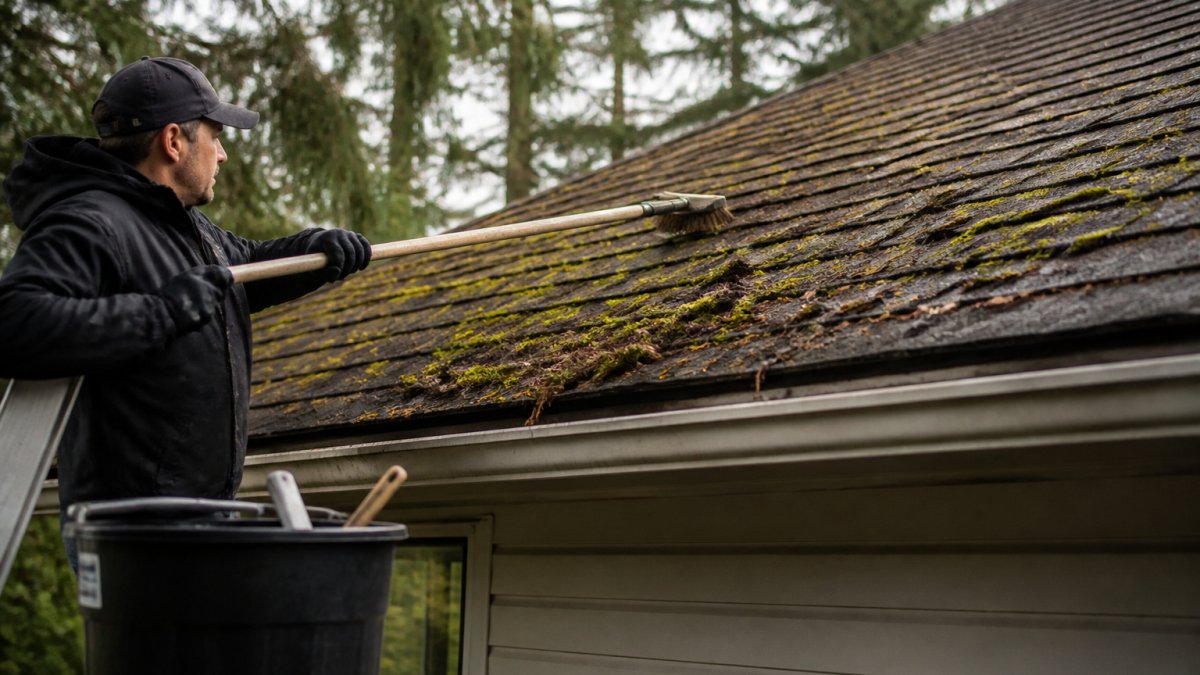
Soft brushing works for light moss coverage. Use a soft-bristle brush, never a pressure washer on asphalt shingles.
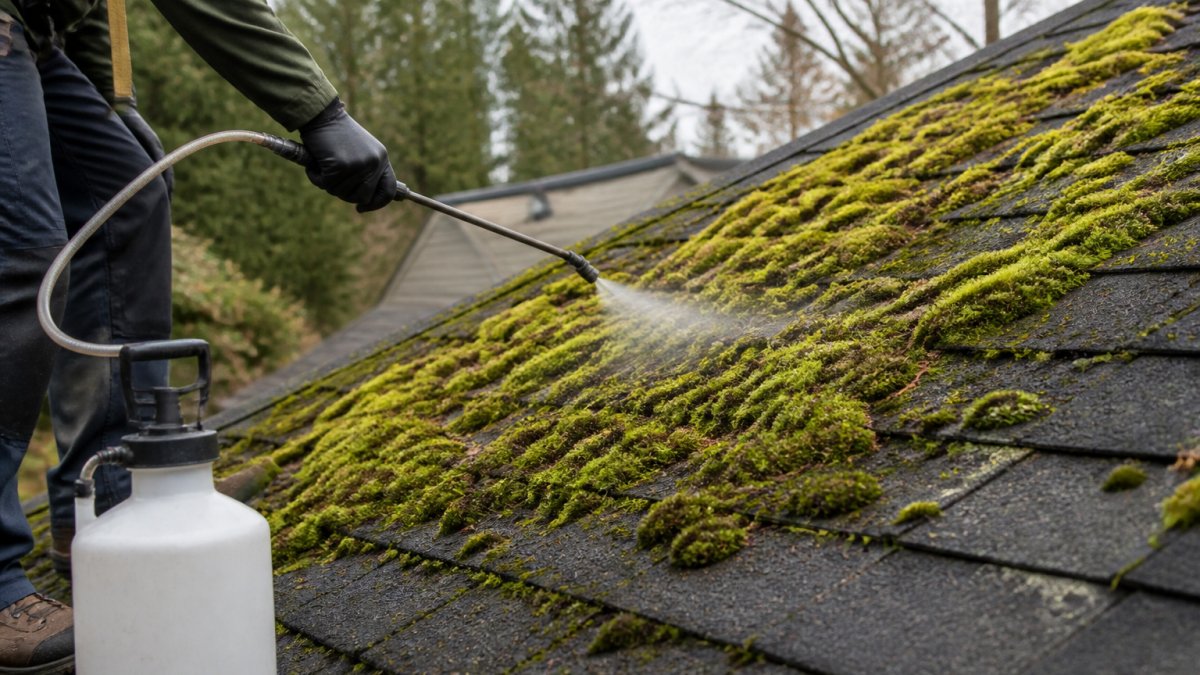
Chemical treatment is more effective for heavy moss. A roof-safe moss killer applied during dry conditions kills moss and prevents regrowth.
Step 2: Apply Treatment on a Dry Day
Timing matters. Apply treatment when the roof surface is dry but rain is expected within 24-48 hours.
Avoid applying on windy days. Wind carries spray away from your target area and onto nearby plants. Wind also makes application uneven and wastes product.
Step 3: Let the Product Work
Don't expect instant results. Most roof moss treatments take time to show visible effects. Moss doesn't disappear overnight.
Step 4: Monitor Runoff
Watch where treatment runoff flows. Some moss-killing products contain copper or zinc compounds. These can damage nearby plants or stain surfaces below.
Step 5: Plan for Professional Help If Needed
Steep roofs, high peaks, or heavy moss coverage warrant professional removal. A certified technician has the right equipment and safety training.
How Long Does Roof Moss Treatment Last
The duration of a moss treatment depends less on the product label and more on your roof's exposure, the type of treatment you applied, and how thoroughly the moss was removed.
Here is a realistic timeline for an active treatment (one applied to visible, established moss):
- Weeks 1-2: The moss absorbs the treatment and begins to die. Color shifts from green to brown, gray, or black. No physical change is visible yet.
- Weeks 2-4: Dead moss dries, curls, and starts to detach. Rain and wind begin carrying it off the roof.
- Months 1-3: Most dead moss washes away. Any remaining patches may need gentle brushing after they are fully dead.
- Months 3-12: The roof remains largely moss-free. This is the effective window for most treatments in moderate conditions.
- Months 6-18: New moss spores begin to colonize, especially in shaded or damp areas. This is when you should inspect and decide whether to retreat.
Several factors shorten or extend that window:
- Shade: A roof that receives less than 4 hours of direct sun per day will see moss return 30-50% faster than a fully exposed roof.
- Roof pitch: Low-slope roofs (less than 4:12) drain more slowly and hold moisture longer, reducing treatment life.
- Overhanging trees: Trees within 10 feet of the roof drop debris that traps moisture and seeds new moss.
- Product type: Treatments containing copper sulfate or zinc sulfate tend to leave a residual that inhibits regrowth longer than simple potassium-based soaps, which kill existing moss but leave little protection.
- Application quality: A treatment that misses the moss root system or is applied on a wet roof will fail early, sometimes within weeks.
Preventive treatments last differently. A preventive application, applied to a clean roof before moss appears, typically provides 12-18 months of protection in moderate climates and 6-12 months in wet, shaded areas. Because the goal is to maintain a residual barrier rather than kill established growth, you may need to reapply before you see any moss at all.
If you are unsure whether your treatment is still active, look for the first signs of new growth: tiny green fuzz in shaded valleys, along north-facing slopes, or near roof penetrations. Once you see that, the residual has worn off and it is time to treat again.
Roof Moss Prevention: Stop It Before It Starts
Prevention is not the same as removal. Removal kills moss that is already growing. Prevention keeps moss from ever getting established by maintaining a residual barrier on the roof surface.
How preventive treatment differs from active removal:
- Active removal uses a higher concentration of moss killer, often applied as a spot treatment or full-roof spray, and is repeated only when new moss appears.
- Preventive treatment uses a lower concentration, applied evenly across the entire roof, and is repeated on a fixed schedule regardless of whether moss is visible.
Most homeowners should think of prevention as an annual or biennial chore, not a one-time fix. The exact interval depends on your climate, roof material, and shade exposure.
A practical preventive schedule by condition:
| Condition | Preventive Interval | Notes |
|---|---|---|
| Full sun (6+ hours direct), moderate rainfall | Every 18-24 months | Lowest risk; inspect annually |
| Partial shade (3-6 hours), moderate rainfall | Every 12-18 months | Most common scenario |
| Heavy shade (under 3 hours), high rainfall | Every 6-12 months | Consider professional application |
| Coastal or foggy areas | Every 6-12 months | Salt and moisture accelerate growth |
| Dry climate, full sun | Every 24-36 months | Moss rarely establishes |
Roof material matters too. Asphalt shingles and wood shakes are porous and hold moisture, so they need preventive treatment on the shorter end of the range. Metal and tile roofs shed water quickly and can often go 24-36 months between preventive applications.
Non-chemical prevention steps that reduce frequency:
- Trim tree branches so they are at least 6 feet away from the roof surface. This improves airflow and reduces shade.
- Keep gutters and downspouts clear. Standing water at the roof edge feeds moss.
- Install zinc or copper strips along the ridge. As rain runs over them, it carries trace metals down the roof and creates a zone where moss struggles to grow. These strips typically last 10-20 years.
- Improve attic ventilation. A hot, dry attic helps dry the roof deck from below, reducing moisture that feeds moss.
When to call a professional for prevention:
If your roof is steep (greater than 6:12 pitch), has multiple stories, or is heavily shaded, a professional preventive application is usually safer and more effective than a DIY approach. Professionals also have access to commercial-grade residual products that last longer than consumer versions.
The goal of prevention is to break the cycle of removal and regrowth. Once you establish a schedule that matches your roof's conditions, you can effectively manage moss.
Treatment Frequency by Climate and Roof Condition
Your specific treatment schedule depends on where you live and what your roof looks like.
High-moisture climates (Pacific Northwest, Southeast):
- Preventive treatment: every 8-12 months
- Active removal: as needed when moss appears
- Expect moss to return faster due to constant moisture
Moderate climates (mixed sun and moisture):
- Preventive treatment: every 12-18 months
- Active removal: every 18-24 months if moss appears
- Timing: early spring or early fall
Dry climates (Southwest, high elevation):
- Preventive treatment: every 18-24 months
- Active removal: every 24-36 months
- Less frequent treatment due to low moisture
By roof type:
| Roof Type | Treatment Frequency | Best Method | Notes |
|---|---|---|---|
| Asphalt shingles | Every 12-18 months | Soft brush or gentle chemical | Most common; avoid pressure washing |
| Metal roofing | Every 18-24 months | Chemical treatment | More durable; less frequent treatment needed |
| Wood shakes | Every 8-12 months | Gentle treatment only | Porous surface; moss penetrates deeper |
| Tile roofing | Every 24-36 months | Chemical treatment | Dense material resists moss growth |
By roof condition:
Shaded roofs need treatment 30-50% more often than sunny roofs. North-facing sections stay damp longer and moss returns faster. If your roof is mostly shaded, plan for treatment every 6-12 months rather than 12-18 months.
Roofs with poor drainage need more frequent treatment. If water pools in valleys or doesn't flow toward gutters, moss thrives. Fixing drainage problems reduces treatment frequency and extends roof life.
Older roofs (15+ years) need more frequent treatment. Weathered shingles retain moisture longer. Moss penetrates damaged or missing granules more easily. Preventive treatment becomes more important as roofs age.
New roofs stay moss-free longer. A newly installed roof might not need treatment for 2-3 years. Once moss appears, establish a regular schedule to prevent it from accelerating.
Conclusion
How often you should treat roof moss depends on your climate, roof type, and how much shade your roof gets. Most homeowners benefit from preventive treatment every 12-18 months, with more frequent treatment in wet or shaded areas.
The key is starting early. Preventive treatment is far easier and cheaper than fighting established moss. It also protects your roof from the moisture damage and weight that moss causes over time.
Sound Roof Care helps homeowners in the Puget Sound region create treatment schedules tailored to their specific conditions. Our certified technicians assess your roof, identify problem areas, and recommend a maintenance plan. We combine professional treatment with honest advice about what you can do yourself and when professional help makes sense.
Get in touch today for a free roof assessment and a treatment schedule designed for your home.
Frequently Asked Questions
How often should you treat roof moss?
Treatment frequency depends on your roof type, climate, and shade exposure. In wet climates with shade, treat every 6 to 12 months. In drier areas with full sun, annual treatment or every 18 months may suffice. Preventive treatments can extend the time between applications, while active moss removal may need repeating if conditions favor regrowth. Professional inspection helps determine your specific schedule.
What is the best time to remove moss from a roof?
Spring and early fall are ideal for moss removal. Choose a dry day when the roof surface is completely dry, moss is easier to remove and treatment products work more effectively. Avoid late fall and winter when moisture levels are highest and freezing can damage your roof. Early spring, after winter moisture drains, gives treatment time to work before summer.
How long does roof moss treatment last?
Chemical moss treatment can extend the lifespan of asphalt shingles, depending on product type and environmental conditions. Preventive treatments can last longer; active removal treatments may need repeating sooner if shade and moisture return quickly. Wet climates with heavy shade see faster regrowth. Professional application and proper roof maintenance extend treatment longevity.
Can you prevent moss from growing back on your roof?
Yes. Preventive treatments applied to a clean roof create a barrier that stops moss before it takes hold. Improve drainage by cleaning gutters and downspouts, trim tree branches to reduce shade, and ensure proper attic ventilation to reduce moisture. Combining preventive treatment with these maintenance steps significantly slows regrowth and can extend the time between treatments.
Washington State Department of Commerce guidance on residential roof maintenance
National Roofing Contractors Association standards for roof cleaning and maintenance
Environmental Protection Agency guidelines on copper and zinc runoff from roof treatments