 how-to
How to Prevent Moss Growth on Asphalt Shingles
Table of Contents
- How Moss Growth on Asphalt Shingles Starts
- Zinc Strips for Roof Moss: Installation and Limits
- Tree Trimming to Prevent Roof Moss
- How to Clean Asphalt Shingles Safely
- Roof Moss Treatment: What Works and What Doesn't
- A Sequenced Maintenance Plan for Your Roof
- When to Call a Professional
- Frequently Asked Questions
Last Updated: October 18, 2026
How Moss Growth on Asphalt Shingles Starts
Moss on asphalt shingles is a moisture problem before it is a plant problem. If you want to know how to prevent moss growth on asphalt shingles, start with the conditions that let it take hold: shade, damp, and a surface that stays wet too long. We see this pattern constantly across the Puget Sound region, where long wet seasons and heavy tree cover give moss almost everything it needs.
Shade, Moisture, and the Conditions Moss Needs
Moss needs three things to grow on a roof:
- Shade. North-facing and tree-covered roof slopes dry out slowest.
- Moisture. Fog, rain, and morning dew keep shingles damp for hours.
- A rough surface. Asphalt shingles have a textured top that holds spores and grit.
Take away any one of these and moss struggles. Shade and moisture are the two you can actually change.
What Moss Does to Shingle Granules Over Time
Moss is not just ugly. Its roots work under the edges of shingles and lift them slightly. That lets water in.
Over time, moss traps organic matter and dirt, which holds even more moisture against the roof surface. The granules on asphalt shingles wear away faster when they stay wet. Once granules are gone, the shingle underneath dries out, cracks, and starts to fail.
Zinc Strips for Roof Moss: Installation and Limits
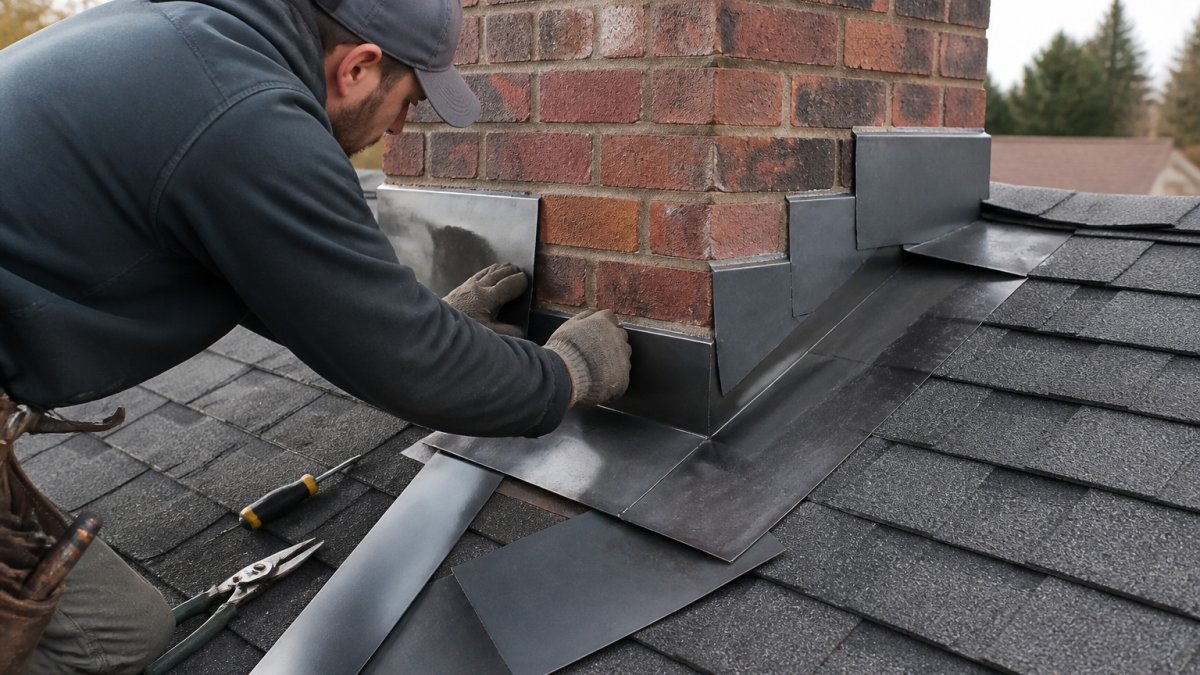
Zinc strips for roof moss are thin metal strips fastened near the roof ridge. Rain washes tiny amounts of zinc down the slope, and those metal ions make the roof surface hostile to moss. It is one of the oldest prevention methods, and it works, but only within limits most guides skip, and those limits matter more on asphalt shingles than on any other roof type.
How Metal Ions Wash Down the Roof with Rain
The process is simple. Rain hits the zinc strip, picks up zinc particles, and carries them down the roof surface. Moss spores that land on treated shingles struggle to establish. The catch: the metal only travels as far as the water flows. Coverage is strongest right below the strip and weaker farther down, and it weakens further on wide, low-slope planes where sheet flow spreads thin.
Placement, Coverage, and Installation Constraints
A few practical rules that most product pages leave out:
- Placement. Strips go near the ridge, under the cap shingles where possible, so runoff crosses the entire slope below. On a long slope, one strip at the top is not enough, plan a second strip at mid-slope or at the transition to a lower roof section.
- Coverage is not uniform. Coverage is strongest in the first several feet below the strip and tapers with distance. A common pattern is to treat the strip as protecting the upper portion of the slope and to rely on shade control and cleaning for the lower portion.
- Lifespan is finite. Zinc strips thin out and stop releasing ions over time. Inspect annually and plan to replace them when the metal visibly thins or pits.
Asphalt-Specific Interactions: Granules and Warranties
This is where asphalt shingles differ from tile or metal roofs. The mineral granules on an asphalt shingle are the sacrificial wear layer, and anything that abrades them shortens the roof's life.
Warranty language also matters. Many asphalt shingle manufacturers exclude or limit coverage for damage caused by aftermarket attachments, including metal strips, when the attachment is not installed per the manufacturer's instructions.
Runoff and Environmental Precautions
Zinc and copper both wash into gutters and onto plants below. Keep downspouts directed away from garden beds and foundation planting, and check local rules before installing, some jurisdictions regulate metal concentrations in stormwater. Copper strips work the same way and last longer, but they cost more and can stain shingles and light-colored surfaces below the roof.
Tree Trimming to Prevent Roof Moss
Tree trimming to prevent roof moss is the cheapest long-term fix available to most homeowners. Moss follows shade, and shade follows branches. Cut back limbs that hang over the roof and let sunlight and air reach the shingles.
A few practical rules:
- Trim branches back several feet from the roof edge.
- Thin dense canopies so morning sun reaches the slope.
- Clear debris off the roof after storms. Leaves and needles hold moisture.
This is slow work, not a quick fix. But a sunnier, drier roof is a roof where moss has a much harder time returning.
How to Clean Asphalt Shingles Safely
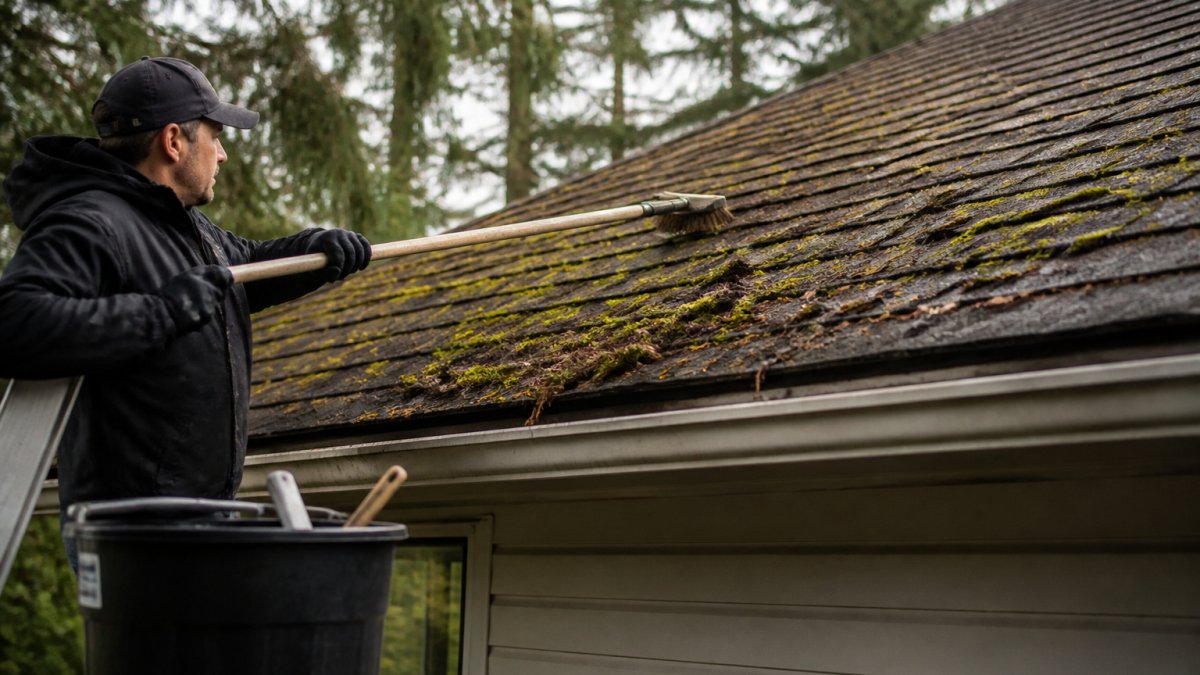
The safe way to clean asphalt shingles is gentle: low pressure, a soft brush, and a moss-killing treatment, never a pressure washer at full blast. Aggressive cleaning does more damage than the moss did.
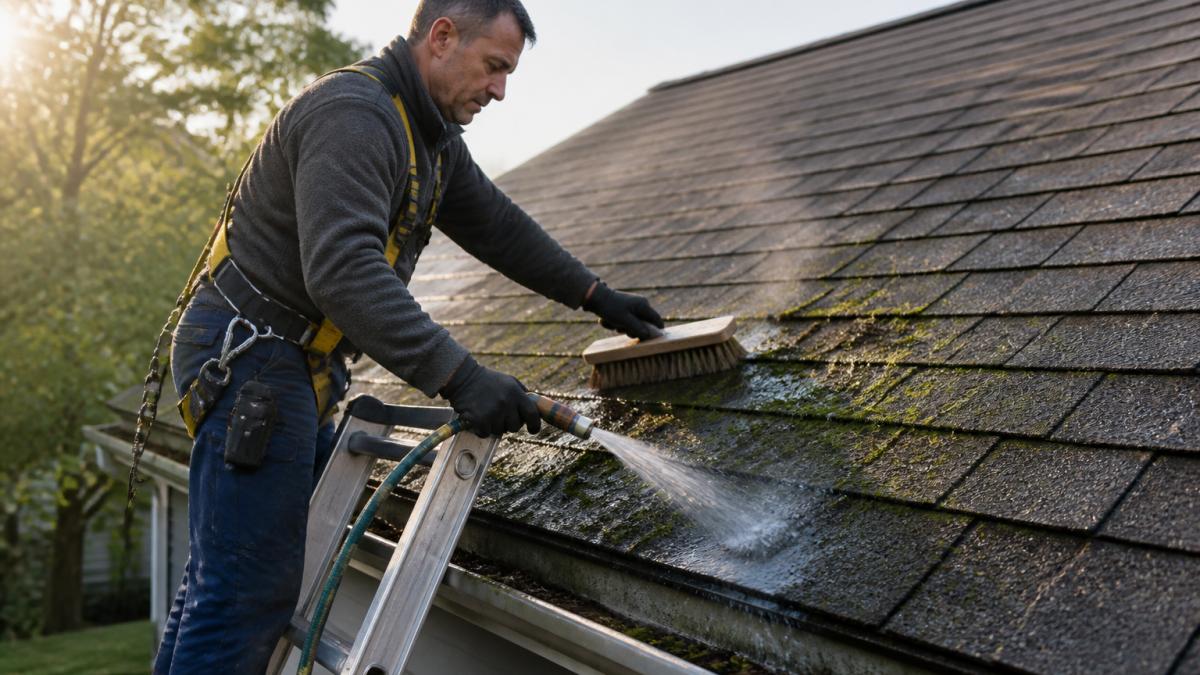
Soft Washing vs. Pressure Washing Shingles
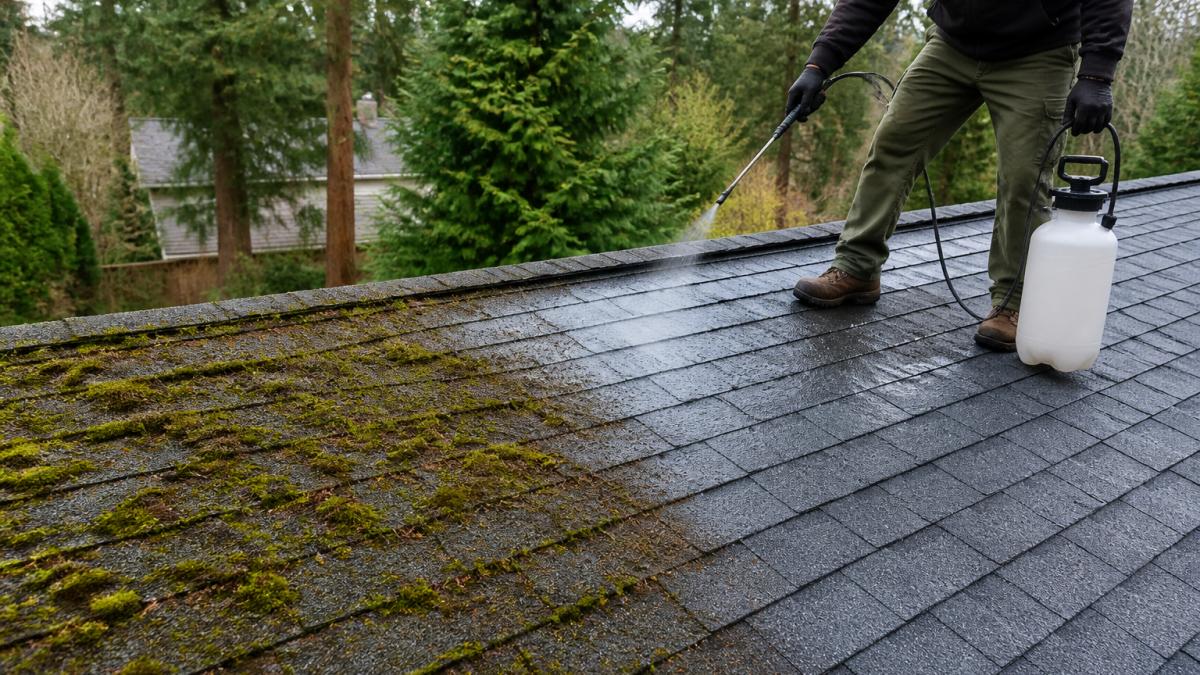
Soft washing uses low pressure and a cleaning solution to kill moss and lift it away. It protects the shingle granules.
Pressure washing blasts granules off the roof. On asphalt shingles, that is a fast way to shorten the roof's life. We do not recommend it, and most manufacturers advise against it.
A safe sequence looks like this:
- Clear debris and loose moss by hand or with a soft brush.
- Apply a moss treatment and let it work.
- Rinse gently with a garden hose.
- Stay off the roof in wet or windy conditions, and use fall protection.
Roof Moss Treatment: What Works and What Doesn't
Roof moss treatment works best when it kills moss rather than just removing it. Scraping alone leaves roots behind. A treatment that soaks into the moss and reaches the root gives you a real reset before you apply prevention.
Comparing Prevention Methods by Effectiveness and Lifespan
| Method | How It Works | Best For | Watch Out For |
|---|---|---|---|
| Zinc strips | Metal ions wash down with rain | Simple ridge-to-eave slopes | Limited coverage, needs replacing |
| Copper strips | Same idea, longer-lasting metal | Homeowners wanting fewer swaps | Higher cost, possible staining |
| Tree trimming | Restores sun and airflow | Any shaded roof | Slow results, ongoing upkeep |
| Gentle cleaning + treatment | Kills moss at the root | Active moss problems | Needs repeat visits |
| Professional maintenance plan | Scheduled cleaning and checks | Busy homeowners | Ongoing service cost |
No single method wins everywhere. The strongest results come from pairing metal strips with shade control and regular cleaning.
A Sequenced Maintenance Plan for Your Roof
A maintenance plan beats a one-time cleanup. Moss returns when conditions stay the same, so the goal is to change conditions and check the roof on a schedule. What most guides skip is the order of operations and the decision points, when to treat, when to trim, when to install metal, and when to stay off the roof entirely.
The Sequence: Inspect, Clean, Treat, Control, Protect, Recheck
Here is the sequence we would follow, with the reasoning behind each step:
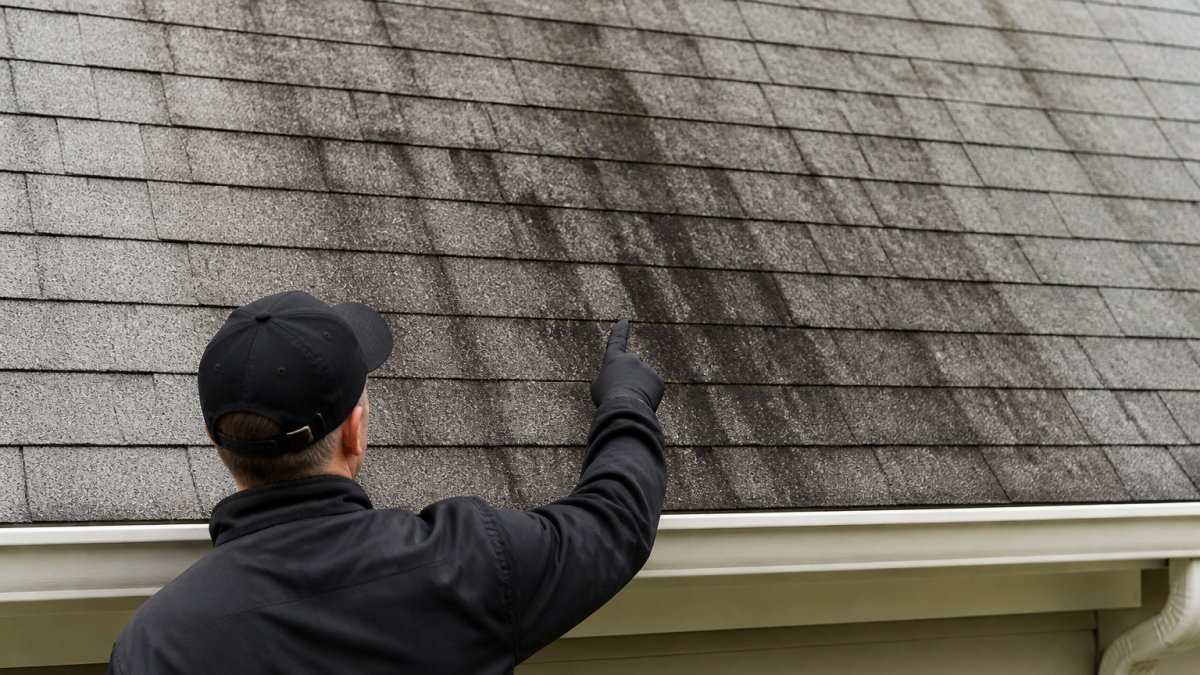
- Inspect from the ground first. Walk the perimeter with binoculars after each wet season. Look for green or black patches, lifted shingle edges, granule piles in gutters, and dark streaks. Note which slopes are affected, north-facing and tree-shaded slopes are the usual suspects.
- Decide whether to climb. Do not get on the roof if it is wet, windy, icy, or if the pitch is steep, the shingles are slick with moss, or you lack fall protection. Ground-level inspection and a call to a professional are the right answer in those conditions.
- Clear debris and loose moss gently. By hand or with a soft brush, never a pressure washer at full blast. Bag the debris; do not wash it into gutters.
- Treat to kill roots. Apply a moss treatment and let it work per the label. Scraping alone leaves roots behind.
- Control shade. Trim branches back several feet from the roof edge and thin dense canopies so morning sun reaches the slope.
- Install or replace metal strips only after the roof is clean and the shade problem is addressed. Metal on a mossy roof just hides the problem.
- Recheck treated areas a few months later and log what came back.
Inspection Cadence and Measurable Follow-Up
Twice-a-year inspections, spring and fall, catch problems early. Keep a simple log with four columns: date, slope or area inspected, what you found, and what you did. That record tells you which prevention method is actually working on your roof.
Measure progress against concrete signs, not impressions:
- New moss patches appearing on previously clean slopes within one season means the prevention is not working.
- Granule accumulation in gutters after a rain is a sign of shingle wear and a reason to stop any abrasive cleaning.
- Lifted or curled shingle edges near treated areas mean moisture is still getting under the shingles, address the source before treating again.
Asphalt-Specific Checkpoints
On asphalt shingles, add these to every inspection:
- Check that no metal strip is rubbing or flapping against the shingle surface.
- Confirm fasteners are sealed and not backing out.
- Look for granule loss in the runoff path below metal strips, a sign the strip is abrading the shingles.
When to Call a Professional
Call a professional when the moss covers large areas, when shingles are lifting or losing granules, or when your roof is steep, tall, or slick. Roof work is a fall risk, and moss makes shingles dangerously slippery.
Signs it is time to bring in help:
- Moss across multiple slopes or most of the roof
- Shingles that curl, crack, or shed granules
- Water stains on ceilings or in the attic
Sound Roof Care has protected homes across the Puget Sound region since 2009, with certified technicians who specialize in this wet, moss-prone climate.
Frequently Asked Questions
How do you prevent moss from growing on asphalt shingles?
Moss prevention on asphalt shingles comes down to removing what moss needs: shade, moisture, and organic debris. Trim back overhanging branches, clear leaves and needles from the roof surface and gutters, and install zinc or copper strips near the ridge so metal ions wash down with rain. Treat any existing moss before it spreads, and schedule a roof inspection each fall. Together these steps keep shingles drier and make it harder for moss to take hold, especially on shaded roof slopes that stay damp longer.
Do zinc or copper strips prevent moss on a roof?
Zinc and copper strips do slow moss growth, but they are not a complete solution. Metal ions wash down the roof with rainwater and create a surface where moss struggles to establish. The catch is coverage: strips only protect the area below them, so long or complex roof slopes may have untreated zones. Strips also wear out over time and need replacing. Use them alongside tree trimming and regular cleaning for the best results, and note that runoff from metal strips can affect plants and gutters below.
Can pressure washing damage asphalt shingles?
Yes. Pressure washing can strip the protective granules from asphalt shingles, leaving the mat exposed to sun and rain. Once granules are gone, shingles age faster and may start leaking. Use soft washing instead: low pressure, a gentle cleaning solution, and a soft-bristle brush for stubborn patches. Always work from the top down and avoid scrubbing hard. If moss is heavy or the roof is steep, hire a professional rather than risk a fall or shingle damage.
How often should you clean asphalt shingles to prevent moss?
In damp, shaded climates, plan on a roof inspection and light cleaning once a year, usually in early fall before the rainy season. Roofs under heavy tree cover may need attention twice a year. Between cleanings, remove debris from gutters and check for new moss patches after storms. Catching moss early, while it is still thin, makes removal easier and protects shingle granules. A simple calendar reminder each spring and fall keeps the schedule realistic.
Moss will keep coming back as long as shade and moisture stay on your roof. A real plan, cleaning, treatment, shade control, and metal strips, changes those conditions for good. Sound Roof Care offers professional cleaning, moss treatment, and maintenance plans built for the Pacific Northwest, backed by honest pricing and no hidden fees. Get in touch today to schedule an inspection and protect your roof for the long run.